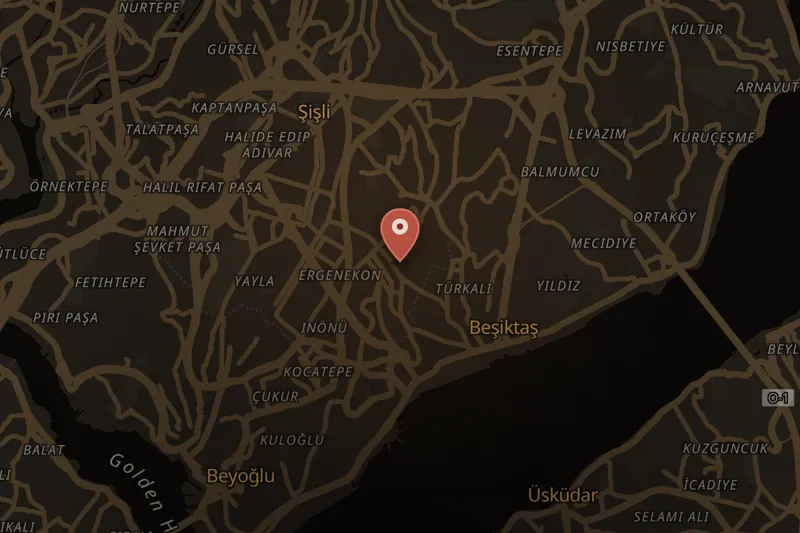
Jamal Khashoggi, a Saudi journalist and columnist for The Washington Post who had gone into self-imposed exile in the United States in 2017, was killed on 2 October 2018 inside the Saudi consulate in Istanbul, Turkey. He had entered the consulate to obtain paperwork needed for his planned marriage to Turkish fiancée Hatice Cengiz, who waited outside and later reported him missing when he failed to emerge. Turkish investigators concluded he was ambushed and strangled by a 15-member squad of Saudi operatives who had flown into Istanbul on private jets; his body was dismembered and disposed of in a manner that was never publicly confirmed. The consulate had been secretly bugged by Turkish intelligence, and audio recordings of his final moments were later described in transcripts made public.
Saudi authorities initially denied any knowledge of Khashoggi's fate, then repeatedly changed their account before admitting on 25 October 2018 that he had been killed in a premeditated operation, while denying that Crown Prince Mohammed bin Salman had ordered it. Bin Salman later said he accepted responsibility "because it happened under my watch" but denied ordering the killing. In November 2018, the CIA concluded that bin Salman had ordered the assassination, a finding later confirmed in a declassified US intelligence report released in February 2021. The United States imposed sanctions on 17 Saudi nationals in November 2018 and, after the 2021 report, on additional individuals, but did not sanction bin Salman himself; then-President Donald Trump publicly disputed the CIA's conclusion.
Turkish investigators documented extensive efforts to destroy evidence, including a Saudi team said to have visited the consulate daily to remove traces of the crime, alleged use of acid or incineration to dispose of the body, and CCTV footage showing a Saudi operative leaving the consulate dressed in Khashoggi's clothing as a body double. A June 2019 report by the United Nations special rapporteur on extrajudicial executions, Agnès Callamard, concluded the killing was premeditated and called for further criminal investigation, including by the FBI, given Khashoggi's US residency. Saudi prosecutors rejected the UN findings.
Saudi Arabia put 11 individuals on trial starting in January 2019 in proceedings that were criticized as secretive. In December 2019, three defendants were acquitted—including senior officials Saud al-Qahtani and Ahmed al-Asiri—five were sentenced to death, and three others received prison terms. The five death sentences were commuted after being pardoned by Khashoggi's children in May 2020. Callamard criticized the trial's outcome. Separately, Turkish prosecutors indicted 20 Saudi nationals in March 2020 and opened a trial in absentia in July 2020, but in April 2022 a Turkish court ordered the case transferred to Saudi Arabia. In the United States, a civil lawsuit against bin Salman was dismissed in December 2022 after the Biden administration asserted he held head-of-state immunity, even as the court found allegations against him "credible."
The case drew sustained international scrutiny of the Saudi government's role in transnational repression of dissidents, including revelations that a close Khashoggi collaborator, Omar Abdulaziz, had been targeted with NSO Group's Pegasus spyware in an operation Citizen Lab attributed with high confidence to Saudi government-linked operators, raising concerns that Saudi authorities had access to Khashoggi's private communications before his death.


 SOLVEDListen