Casepin
Back to cases

Case file

Assassination of Laurent-Désiré Kabila

SOLVED2001Palais de Marbre, Kinshasa, Democratic Republic of the Congo3 SOURCESUPDATED JUL 2026
File:Visit of Laurent Désiré Kabila, President of the Democratic Republic of Congo, to the EC (cropped2).jpg
File:Visit of Laurent Désiré Kabila, President of the Democratic Republic of Congo, to the EC (cropped2).jpg — Credit: Etienne Scholasse, European Communities · CC BY 4.0

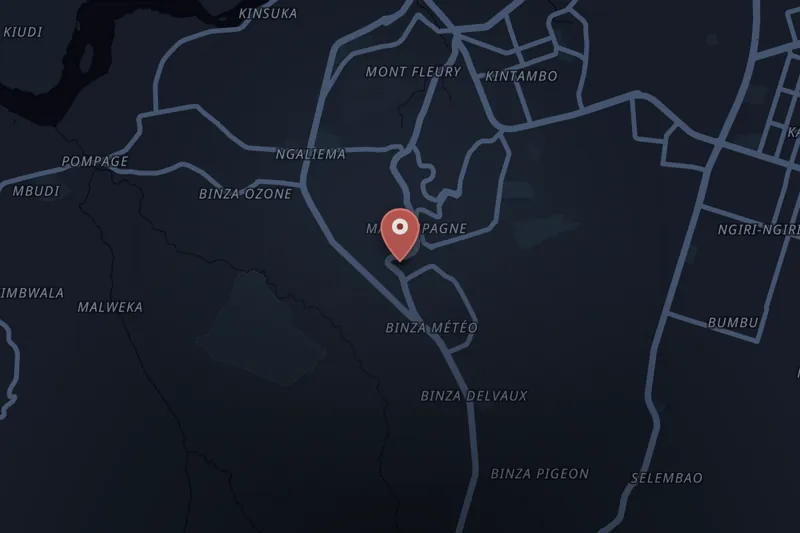
On 16 January 2001, Laurent-Désiré Kabila, then-President of the Democratic Republic of the Congo, was shot in his office at the Palais de Marbre in Kinshasa. According to accounts reported by Justice Minister Mwenze Kongolo, the shooter was Rashidi Kasereka (also referred to as Rashidi Mizele), an 18-year-old bodyguard who had served as a child soldier (kadogo) under Kabila during the First Congo War. Kasereka reportedly fired four shots into Kabila's abdomen before being shot by other bodyguards and killed while attempting to flee the palace. Kabila was flown to Harare, Zimbabwe for medical treatment and was declared dead on 18 January 2001.

The background to the shooting included Kabila's execution of 47 kadogos the day before his own shooting, over accusations they were plotting against him, as well as earlier killings in November 2000 of soldiers loyal to Commandant Anselme Masasu Nindaga. The conspiracy, described as "Operation Mbongo Zero," reportedly began in early January 2001 among a group of kadogos who traveled to Brazzaville to plan the infiltration of Kinshasa buildings including the Palais de Marbre.

Considerable uncertainty surrounded the identity and motive of those responsible, and various unverified theories circulated in the years afterward. A group of kadogos was eventually detained and reportedly confessed, framing the killing as retaliation for Kabila's meeting with Rwandan leader Paul Kagame. An investigation identified as many as 135 people accused in connection with the killing, including four children; some sources cite 115. Ultimately, 26 people — including Kabila's cousin, Colonel Eddy Kapend — were sentenced to death (though not executed), 45 were acquitted, and 64 defendants were jailed. On 8 January 2021, President Félix Tshisekedi pardoned 28 of the convicted individuals who had served their sentences since 2005 at Makala Central Prison.

Joseph Kabila was appointed head of government and supreme commander of the Congolese Armed Forces on 17 January 2001, becoming the first head of state born in the 1970s. His succession was rejected by RCD rebel commander Jean-Pierre Ondekane and by opposition groups meeting in Brussels, who called instead for a transitional government under the 1999 Lusaka Ceasefire Agreement. Kabila received a state funeral on 20 January 2001 and was interred on 23 January at the Palais de la Nation in Kinshasa. International reaction included condemnation from the OAU, the European Union, and the United Nations, expressions of shock from allies including Zimbabwe and Namibia, and a Human Rights Watch call for accountability regarding crimes committed during Kabila's rule. A 2011 investigative documentary, "Murder in Kinshasa," produced by journalists Arnaud Zajtman and Marlène Rabaud for Al Jazeera, concluded that those convicted were innocent and alleged the assassination was organized by Congolese rebel forces with Rwandan support and U.S. approval, a claim not adjudicated by any court.

Key facts

Victims
Laurent-Désiré Kabila
Date
2001
Location
Palais de Marbre, Kinshasa, Democratic Republic of the Congo
Case status
solved

Case timeline

  1. 2000-11

    Kabila's forces arrested and killed soldiers loyal to Commandant Anselme Masasu Nindaga after suspecting a plot against him.

  2. 2001-01

    A group of kadogos traveled to Brazzaville and began planning "Operation Mbongo Zero" to infiltrate the Palais de Marbre and kill Kabila.

  3. 2001-01-15

    Kabila oversaw the execution of 47 kadogos accused of plotting to kill him, the day before he was shot.

  4. 2001-01-16

    Kabila was shot four times in the abdomen in his office at the Palais de Marbre, Kinshasa, by bodyguard Rashidi Kasereka (Mizele), who was then shot dead by other bodyguards.

  5. 2001-01-17

    Joseph Kabila was appointed head of government and supreme commander of the Congolese Armed Forces; RCD commander Jean-Pierre Ondekane rejected the succession.

  6. 2001-01-18

    Laurent-Désiré Kabila was declared dead at approximately 10 am in Harare, Zimbabwe, where he had been flown for treatment.

  7. 2001-01-20

    Kabila's body was flown from Harare to his hometown of Moba and then to Lubumbashi as part of a state funeral.

  8. 2001-01-23

    An ecumenical funeral service was held at the Palais du Peuple, followed by interment at the Palais de la Nation, Kinshasa.

  9. 2021-01-08

    President Félix Tshisekedi pardoned 28 individuals convicted in connection with the killing who had served their sentences since 2005.

Best coverage

No approved coverage links are attached yet.

People

  • Laurent-Désiré Kabila

    VICTIM

    President of the Democratic Republic of the Congo, shot in his office on 16 January 2001 and died two days later.

  • Eddy Kapend

    CONVICTED

    Colonel and cousin of Kabila; sentenced to death (not carried out) among those convicted in connection with the assassination.

Roles reflect public records and court outcomes at the time of writing — supporting citations are on file under Sources.

Archival records

  • File:Visit of Laurent Désiré Kabila, President of the Democratic Republic of Congo, to the EC (cropped2).jpg

    portrait victim

    File:Visit of Laurent Désiré Kabila, President of the Democratic Republic of Congo, to the EC (cropped2).jpg

    Credit: Etienne Scholasse, European Communities · CC BY 4.0 · Source

Places

Common questions

What happened to the victim?
On 16 January 2001, President Laurent-Désiré Kabila of the Democratic Republic of the Congo was shot in his Kinshasa office by a young bodyguard and died two days later; over 100 people were later tried, with dozens sentenced to death, though doubts about the true organizers of the killing persist.
Where did the crime happen?
Palais de Marbre, Kinshasa, Democratic Republic of the Congo.
Who was convicted?
Eddy Kapend (Colonel and cousin of Kabila; sentenced to death (not carried out) among those convicted in connection with the assassination.).
What is the current status of the case?
Status: solved.

Sources

  1. ENCYCLOPEDICAssassination of Laurent-Désiré KabilaWikipedia · 2026-07-10
  2. PRESSContemporaneous coverage — The GuardianThe Guardian · 2026-07-10
  3. PRESSContemporaneous coverage — The New York TimesThe New York Times · 2026-07-10

Record history

First published
JUL 10, 2026