
Solved case
Murder of Theo van Gogh
Dutch filmmaker Theo van Gogh, director of the film Submission, was fatally shot and stabbed while cycling to work in Amsterdam on 2 November 2004. Mohammed Bouyeri, a Dutch-Moroccan Islamist who objected to the film, was convicted of the murder on 26 July 2005 and sentenced to life imprisonment with no possibility of parole.

Theo van Gogh was a Dutch film director, columnist, and author, born on 23 July 1957 in The Hague. He directed numerous films from the early 1980s onward, winning a Gouden Kalf for Blind Date (1996) and In het belang van de staat (1997). From the 1980s he also worked as a newspaper columnist and later ran a website, De Gezonde Roker, on which he criticized multicultural society; he was a frequent and outspoken critic of Islam, particularly after the September 11 attacks.
In 2004, Van Gogh directed Submission: Part 1, a short film written by Somali-born writer and politician Ayaan Hirsi Ali that depicted violence against women in Islamic societies. After the film's broadcast on Dutch public television, the newspaper De Volkskrant reported in August 2004 that journalist Francisco van Jole had accused Van Gogh and Hirsi Ali of appropriating ideas from Iranian-American video artist Shirin Neshat. Following the broadcast, both Van Gogh and Hirsi Ali received death threats; Van Gogh refused any protection.
On the morning of 2 November 2004, Van Gogh was shot several times and had his throat slit while cycling to work in Amsterdam. The attacker, 26-year-old Dutch-Moroccan citizen Mohammed Bouyeri, also injured bystanders and left a note pinned to Van Gogh's body with a knife containing death threats against Hirsi Ali, who went into hiding, as well as threats against Western countries and Jews. Bouyeri was apprehended by police after a chase. Authorities alleged he had ties to the Hofstad Network, a Dutch Islamist group. He was charged with the attempted murder of several police officers and bystanders, illegal possession of a firearm, and conspiring to murder others, including Hirsi Ali. Bouyeri was convicted at trial on 26 July 2005 and sentenced to life imprisonment with no possibility of parole.
Van Gogh's cremation was held on 9 November 2004. The killing prompted grief and outrage across the Netherlands, with flowers, notes, and drawings left at the scene, and it widened public debate over the country's Muslim population and its tradition of tolerance. The day after the killing, Dutch police arrested eight people alleged to belong to the group later referred to as the Hofstad Network. In the weeks that followed, the Dutch Monitoring Centre on Racism and Xenophobia recorded 106 violent incidents against Muslim targets in November, including arson attacks on mosques and a bomb at a Muslim school in Eindhoven, and Christian churches were later reported as targets of vandalism and arson in turn.
On 18 March 2007, a sculpture titled De Schreeuw ("The Scream"), honoring Van Gogh, was unveiled in Amsterdam's Oosterpark, a short distance from where he was killed. A private trust, the Foundation for Freedom of Expression, was established to help fund protection for critics of Islam and Muslims.
Key facts
- Victims
- Theo van Gogh
- Date
- 2004
- Location
- Near Oosterpark, Amsterdam, Netherlands
- Case status
- solved
Case timeline
1957-07-23
Theo van Gogh is born in The Hague, Netherlands.
2004-08
Dutch newspaper De Volkskrant reports plagiarism accusations against the film Submission following its broadcast on Dutch public television.
2004-11-02
Van Gogh is shot several times and fatally stabbed while cycling to work in Amsterdam; Mohammed Bouyeri is apprehended after a police chase.
2004-11-03
Dutch police arrest eight people, later referred to as the Hofstad Network, in connection with the killing.
2004-11-09
Van Gogh's cremation ceremony is held.
2004-12
06/05, Van Gogh's fact-based drama about the assassination of Dutch politician Pim Fortuyn, is released posthumously.
2005-07-26
Mohammed Bouyeri is convicted at trial and sentenced to life imprisonment with no possibility of parole.
2007-03-18
A sculpture honoring Van Gogh, De Schreeuw ("The Scream"), is unveiled in Amsterdam's Oosterpark.
Best coverage
No coverage has been attached to this file yet.
People
Mohammed Bouyeri
CONVICTED26-year-old Dutch-Moroccan citizen who fatally shot and stabbed Van Gogh. Charged with the attempted murder of several police officers and bystanders, illegal possession of a firearm, and conspiring to murder others including Ayaan Hirsi Ali; convicted at trial on 26 July 2005 and sentenced to life imprisonment with no possibility of parole.
Theo van Gogh
VICTIMDutch film director and columnist who directed the short film Submission; shot and fatally stabbed while cycling to work in Amsterdam on 2 November 2004.
Roles reflect public records and court outcomes at the time of writing — supporting citations are on file under Sources.
Archival records
portrait victim
File:TheoVanGogh.jpg
Credit: Thomas Kist · GFDL 1.2 · Source
Places
Common questions
- What happened to the victim?
- Dutch filmmaker Theo van Gogh, director of the film Submission, was fatally shot and stabbed while cycling to work in Amsterdam on 2 November 2004. Mohammed Bouyeri, a Dutch-Moroccan Islamist who objected to the film, was convicted of the murder on 26 July 2005 and sentenced to life imprisonment with no possibility of parole.
- Where did the murder happen?
- Near Oosterpark, Amsterdam, Netherlands.
- Who was convicted?
- Mohammed Bouyeri (26-year-old Dutch-Moroccan citizen who fatally shot and stabbed Van Gogh. Charged with the attempted murder of several police officers and bystanders, illegal possession of a firearm, and conspiring to murder others including Ayaan Hirsi Ali; convicted at trial on 26 July 2005 and sentenced to life imprisonment with no possibility of parole.).
- What is the current status of the case?
- Status: solved.
Related cases
View all cases
Kidnapping of Freddy Heineken and Ab Doderer
Weteringplantsoen, Amsterdam

Murder of Peter R. de Vries
Lange Leidsedwarsstraat, near Leidseplein, Amsterdam
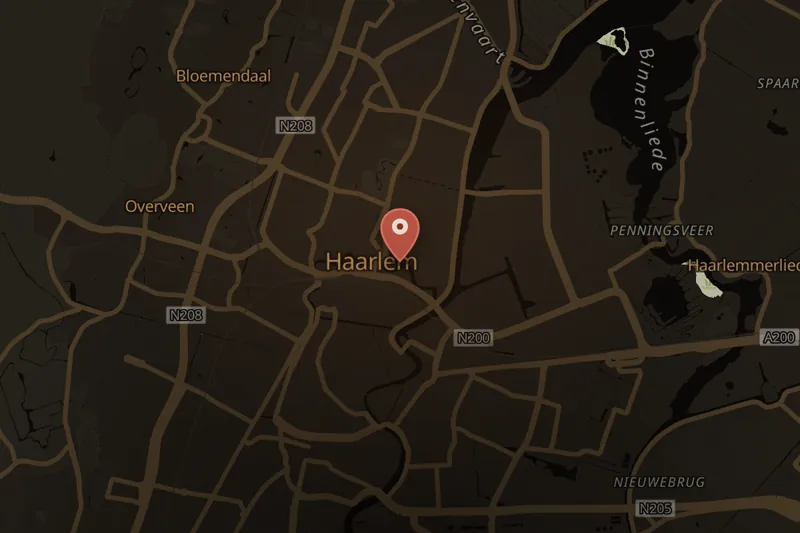
Murder of Gerrit Jan Heijn
Bloemendaal, Netherlands (kidnapping site); body found near Renkum
Murder of Travis Alexander
Mesa, Arizona, United States

Murder of Meredith Kercher
Via della Pergola 7, Perugia, Italy
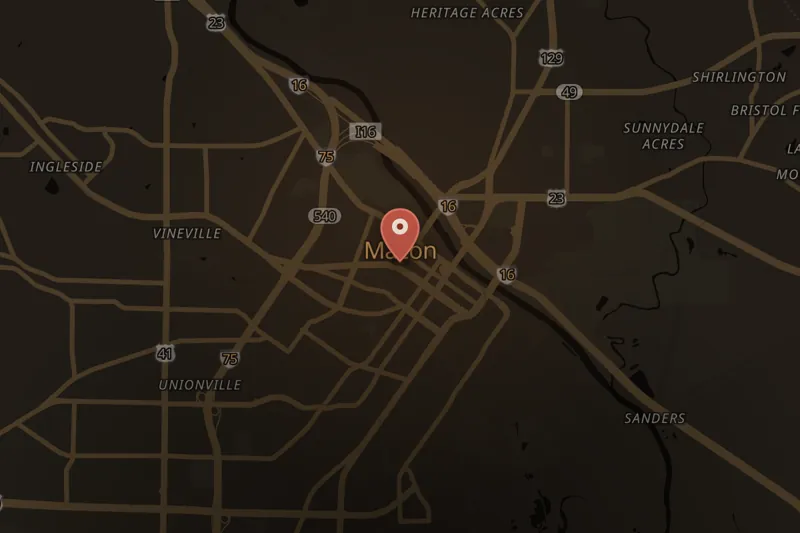
Murder of Lauren Giddings
Macon, Georgia, United States
Sources
- ENCYCLOPEDICTheo van Gogh (film director)Wikipedia · 2026-07-12
- PRESSContemporaneous coverage — The IndependentThe Independent · 2026-07-12
- PRESSContemporaneous coverage — The GuardianThe Guardian · 2026-07-12
Record history
- First published
- JUL 13, 2026
When a file you follow changes — a new development, a correction, fresh coverage — the Dispatch is how you hear about it.
The Casepin Dispatch
A calm weekly briefing from the archive — one case worth understanding, meaningful updates to files you follow, and the best new coverage. You’ll also get the one-time note when the apps land. No gore, no rumor, no drip.