Skip to content
Casepin

Solved case · 1983

Kidnapping of Freddy Heineken and Ab Doderer

Also known as Kidnapping of Freddy Heineken

SOLVEDCONVICTED
Updated
Updated Jul 14, 2026
File:Freddy Heineken en Ab Doderer (1983).jpgFile:Freddy Heineken en Ab Doderer (1983).jpgCredit: Rob Croes for AnefoCC BY-SA 3.0 NLSource

The short answer

Kidnapping of Freddy Heineken and Ab Doderer in brief

Brewing executive Freddy Heineken and his driver Ab Doderer were kidnapped in Amsterdam on 9 November 1983 and held for three weeks until a ransom was paid for their release; all five kidnappers were eventually caught and served prison terms.

Key facts

Year
1983
Place
Weteringplantsoen, Amsterdam
Status
SOLVEDSolved
Victims
Freddy Heineken and Ab Doderer
Outcome
Convicted: Cor van Hout, Martin Erkamps, Willem Holleeder, Frans Meijer and Jan Boellaard

The coverage index

Where to watch & listen

No one's coverage is attached to this file yet.

Know great coverage of this case?

A documentary, a podcast episode, a careful long-form video. Suggest it and an editor will review it before it appears here.

Suggest coverage for this case

The case file

What happened

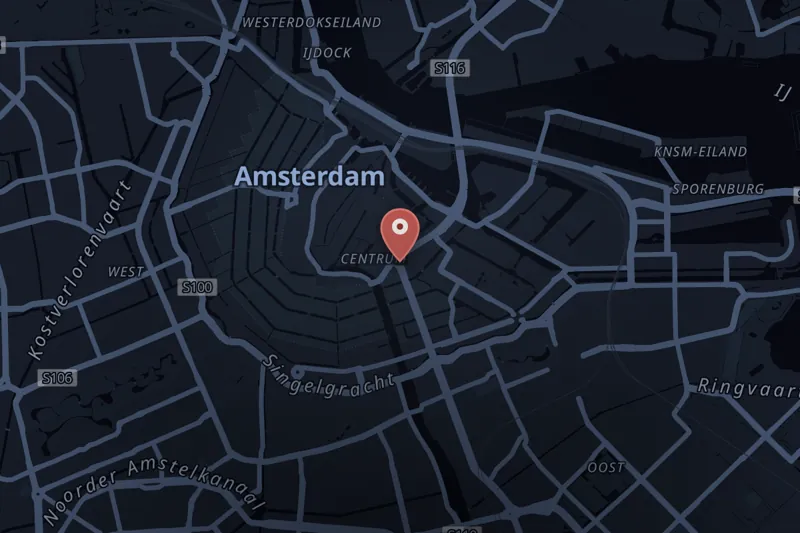
Freddy Heineken, chairman of the board and CEO of Heineken International and one of the wealthiest people in the Netherlands, was kidnapped together with his driver, Ab Doderer, on 9 November 1983. The two men were seized at 18:56 in front of Heineken's office at the Weteringplantsoen in Amsterdam, after earlier attempts to abduct them at Heineken's home in Noordwijk had failed when the men did not appear there.

The kidnapping had been planned for about two years by Cor van Hout, Willem Holleeder, Frans Meijer, and Jan Boellaard, with Martin Erkamps joining the plot later. Heineken and Doderer were held for three weeks in a Quonset hut belonging to Boellaard's wood manufacturing company at the De Heining business park in Westpoort, in Amsterdam's harbour area. The hut had been modified in advance with a false double wall concealing two soundproof cells behind a hidden door, which shortened its 42-meter interior by four meters without the change being noticed. Outside working hours, the kidnappers provided for their two captives, who were tethered to a wall with chains.

On 30 November 1983, Heineken's family paid a ransom of 35 million Dutch guilders (about US$18 million), against police advice, and the two men were released. The kidnappers fled the area before freeing their captives; police located Heineken and Doderer alive following what is described as a "lucky lead." In the aftermath, Van Hout and Holleeder escaped and fled to Paris, where French police arrested them on 29 February 1984.

Van Hout and Holleeder resisted extradition to the Netherlands for more than three years, a period spent on the run, in French custody, and then under house arrest in a French hotel from 6 December 1985 while a change to the extradition treaty was pending. In February 1986 they were moved through a series of French Caribbean territories, including Guadeloupe, Saint Barthélemy, the French side of Saint Martin, and Île Tintamarre, before being returned to Europe and eventually extradited to the Netherlands on 31 October 1986. Meijer fled to Paraguay and lived there for years until he was located by journalist Peter R. de Vries and imprisoned in Paraguay; in 2003 he stopped resisting extradition and was transferred to a Dutch prison to serve the remainder of his sentence. All five kidnappers were eventually caught and served prison terms.

The kidnapping, the manhunt that followed, and the later trials and extraditions drew sustained national attention in the Netherlands, and several of the kidnappers later became well-known figures in Dutch organized crime. Van Hout was jailed again shortly after his release, this time for four years, for his role in a drug-smuggling ring. After two earlier failed attempts on his life, he was assassinated in Amstelveen on 24 January 2003, about a year after being freed a second time. His funeral, described as "mafia-style," included a white hearse drawn by eight Friesian horses leading a procession of fifteen white limousines.

8 dated entries · 1983–2003

Timeline

  1. Freddy Heineken and his driver Ab Doderer are kidnapped in front of Heineken's office at the Weteringplantsoen in Amsterdam.

  2. Heineken and Doderer are released after Heineken's family pays a ransom of 35 million Dutch guilders (about US$18 million), against police advice.

  3. Cor van Hout and Willem Holleeder, who fled to Paris after the ransom was paid, are arrested by French police.

  4. Van Hout and Holleeder are placed under house arrest in a French hotel while a change to the extradition treaty is pending.

  5. Van Hout and Holleeder are transferred from house arrest to a series of French Caribbean territories, including Guadeloupe, Saint Barthélemy, French Saint Martin, and Île Tintamarre, while continuing to resist extradition.

  6. Van Hout and Holleeder are extradited to the Netherlands.

  7. Frans Meijer, who had escaped to Paraguay, stops resisting extradition and is transferred to a Dutch prison to serve the remainder of his sentence.

  8. Cor van Hout is assassinated in Amstelveen, about a year after being freed a second time.

7 named in this file

People

Victims first. Every legal label is set from public records and court outcomes, not from the prose.

  • Ab Doderer

    VICTIM

    Freddy Heineken's driver; kidnapped alongside Heineken on 9 November 1983 and held with him for three weeks before their release.[3]

  • Freddy Heineken

    VICTIM

    Chairman of the board and CEO of Heineken International; kidnapped with his driver on 9 November 1983 and held for three weeks before being released after a ransom was paid.[3]

  • Cor van Hout

    CONVICTED

    One of the kidnapping's principal planners; fled to Paris after the ransom was paid, was arrested by French police in February 1984, resisted extradition for more than three years, and was extradited to the Netherlands in October 1986 to serve a prison term. Later imprisoned again for drug smuggling and assassinated in 2003.[3]

  • Frans Meijer

    CONVICTED

    One of the kidnapping's principal planners; escaped and lived in Paraguay for years until located by journalist Peter R. de Vries and imprisoned there. Stopped resisting extradition in 2003 and was transferred to a Dutch prison to serve the remainder of his sentence.[3]

  • Jan Boellaard

    CONVICTED

    One of the kidnapping's principal planners; owned the wood manufacturing company whose Quonset hut, at the De Heining business park in Westpoort, was used to hold the hostages. Was eventually caught and served a prison term.[3]

  • Martin Erkamps

    CONVICTED

    Joined the kidnapping plot after the other four had begun planning it; was eventually caught and served a prison term.[3]

  • Willem Holleeder

    CONVICTED

    One of the kidnapping's principal planners; fled to Paris with Cor van Hout after the ransom was paid, was arrested by French police in February 1984, resisted extradition for more than three years, and was extradited to the Netherlands in October 1986 to serve a prison term.[3]

From the record

Quick answers

Who were convicted?
Cor van Hout: One of the kidnapping's principal planners; fled to Paris after the ransom was paid, was arrested by French police in February 1984, resisted extradition for more than three years, and was extradited to the Netherlands in October 1986 to serve a prison term. Later imprisoned again for drug smuggling and assassinated in 2003. Martin Erkamps: Joined the kidnapping plot after the other four had begun planning it; was eventually caught and served a prison term. Willem Holleeder: One of the kidnapping's principal planners; fled to Paris with Cor van Hout after the ransom was paid, was arrested by French police in February 1984, resisted extradition for more than three years, and was extradited to the Netherlands in October 1986 to serve a prison term. Frans Meijer: One of the kidnapping's principal planners; escaped and lived in Paraguay for years until located by journalist Peter R. de Vries and imprisoned there. Stopped resisting extradition in 2003 and was transferred to a Dutch prison to serve the remainder of his sentence. Jan Boellaard: One of the kidnapping's principal planners; owned the wood manufacturing company whose Quonset hut, at the De Heining business park in Westpoort, was used to hold the hostages. Was eventually caught and served a prison term.

3 cited

Sources

Coverage is not a source: every fact in this file rests on the records below.

  • 2 Press
  • 1 Encyclopedic
  1. Contemporaneous coverage — BBC News

    PressBBC NewsAccessed Jul 12, 2026

  2. Contemporaneous coverage — nu.nl

    Pressnu.nlAccessed Jul 12, 2026

  3. Kidnapping of Freddy Heineken

    EncyclopedicWikipediaAccessed Jul 12, 2026

Trust

Record history

First published
Jul 13, 2026
Corrections
None

Are you family of someone named in this file? Corrections and removal requests from victims’ families are prioritized.