
Solved case
Attack on the Saudi Embassy in Khartoum
On 1 March 1973, Black September gunmen seized ten diplomats at a reception in the Saudi embassy in Khartoum, Sudan, and killed three hostages after the United States refused to negotiate.
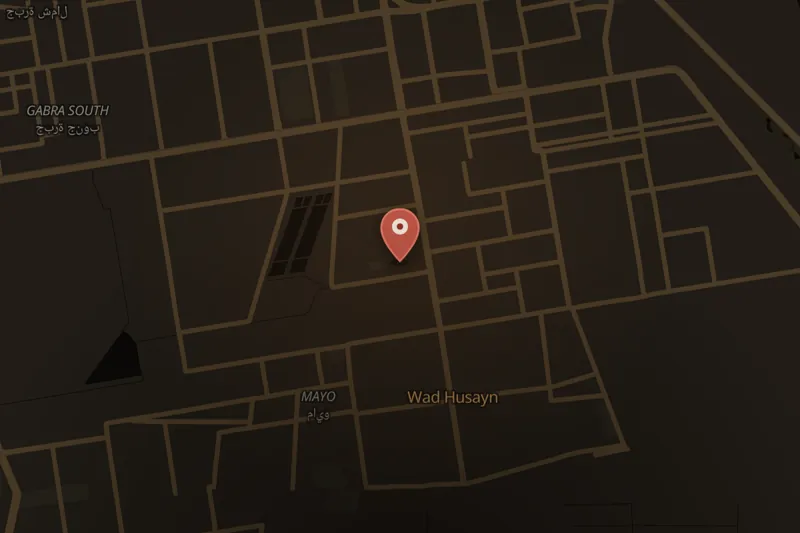
On 1 March 1973, the Saudi embassy in Khartoum, Sudan, was hosting a formal reception in honor of George Curtis Moore, the U.S. chargé d'affaires, who was being reassigned from his post. Eight masked gunmen from the Palestinian militant group Black September burst into the embassy, fired shots into the air, and took ten people hostage. Among those seized were Cleo A. Noel Jr., the U.S. Ambassador to Sudan; George Curtis Moore, U.S. Deputy Chief of Mission to Sudan; Guy Eid, the Belgian chargé d'affaires to Sudan; Sheikh Abdullah al Malhouk, the Saudi Arabian Ambassador to Sudan, along with his wife and four children; Adli al Nasser, the Jordanian chargé d'affaires; and Jasim Bourisly, the Kuwaiti Ambassador to Sudan.
The gunmen initially demanded the release of Palestinians held in Israeli prisons, members of the Baader-Meinhof Group, and Sirhan Sirhan, who had assassinated Robert F. Kennedy. They later revised their demands, insisting that ninety Arab militants held by the Jordanian government be freed within 24 hours. U.S. Marines guarding the American embassy were prepared to storm the building, but were held back by orders from Washington due to the diplomatic complications of American forces operating on Saudi sovereign territory within Sudan. On 2 March, President Richard Nixon stated publicly that the United States would "not pay blackmail," rejecting the militants' demands.
After roughly twelve hours in captivity, the gunmen announced they had killed Noel, Moore, and Eid, having taken the three men to the embassy's basement. The militants then demanded an aircraft to take them and the remaining hostages to the United States; the request was denied by both American and Sudanese authorities. Following three days of negotiation with the Sudanese government, the gunmen released the surviving hostages and surrendered to Sudanese authorities.
In the aftermath, charges against two of the militants were dropped in October 1973 for insufficient evidence. A Sudanese court of inquiry tried the remaining six starting in June 1974, sentencing them to life imprisonment, later reduced to seven years. Sudanese President Gaafar Nimeiry, who was abroad during the attack, condemned the operation and transferred custody of the six men to the Palestine Liberation Organization, which sent them to Egypt to serve their sentences; three later disappeared from Egyptian custody and were never recaptured. In protest of Sudan's handling of the matter, the United States withdrew its ambassador and froze economic assistance to Sudan, resuming aid in 1976. U.S. officials also examined prosecuting Yasser Arafat over his alleged role, but in 1986 the Department of Justice concluded that applicable jurisdiction was lacking. Documents released by the U.S. State Department in December 2006 alleged that Arafat and Fatah had known of and ordered the plot in advance.
Key facts
- Victims
- Cleo A. Noel Jr., George Curtis Moore, Guy Eid
- Date
- 1973
- Location
- Saudi Arabian Embassy, Khartoum, Sudan
- Case status
- solved
Case timeline
1973-03-01
Black September gunmen storm the Saudi embassy in Khartoum during a reception, taking ten diplomats and family members hostage.
1973-03-02
President Richard Nixon states publicly that the United States will not negotiate with the hostage-takers.
1973-03-02
Gunmen announce they have killed hostages Cleo A. Noel Jr., George Curtis Moore, and Guy Eid.
1973-03-04
Gunmen release the remaining hostages and surrender to Sudanese authorities after three days.
1973-10
Charges against two of the militants are dropped for insufficient evidence.
1974-06
A Sudanese court of inquiry begins trying the remaining six militants.
1974-06
The United States withdraws its ambassador to Sudan and freezes economic assistance in protest of Sudan's handling of the case.
1974-11
A new U.S. ambassador returns to Sudan.
1976
U.S. economic aid to Sudan resumes.
1986
The U.S. Department of Justice concludes that legal jurisdiction to prosecute Yasser Arafat is lacking.
2006-12
The U.S. Department of State releases documents alleging Arafat and Fatah ordered the operation and that a prior U.S. warning was not intercepted in time.
Best coverage
No coverage has been attached to this file yet.
People
Cleo A. Noel Jr.
VICTIMU.S. Ambassador to Sudan, killed by hostage-takers in the embassy basement
George Curtis Moore
VICTIMU.S. Deputy Chief of Mission to Sudan, killed by hostage-takers in the embassy basement
Guy Eid
VICTIMBelgian chargé d'affaires to Sudan, killed by hostage-takers in the embassy basement
Roles reflect public records and court outcomes at the time of writing — supporting citations are on file under Sources.
Places
Common questions
- What happened to the victim?
- On 1 March 1973, Black September gunmen seized ten diplomats at a reception in the Saudi embassy in Khartoum, Sudan, and killed three hostages after the United States refused to negotiate.
- Where did the crime happen?
- Saudi Arabian Embassy, Khartoum, Sudan.
- What is the current status of the case?
- Status: solved. Last verified July 2026.
Related cases
View all cases
Al-Kadaris and Al-Khelwat massacres
El Geteina, White Nile State, Sudan
2024 Eastern Gezira State Massacres
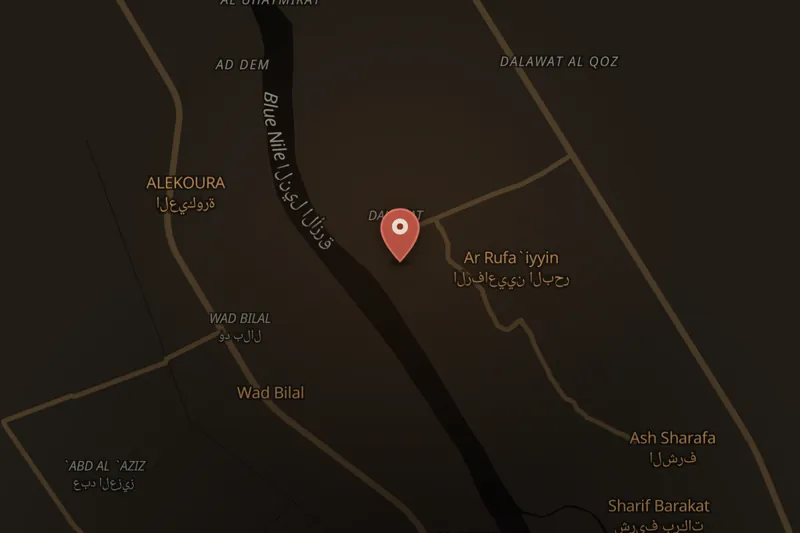
Eastern Gezira State, Sudan

Iran Hostage Crisis
U.S. Embassy, Tehran, Iran

Newhall incident
Valencia, California (Newhall area), near the site of the shootout on Interstate 5

Grand Mosque seizure
Grand Mosque, Mecca, Saudi Arabia
Zamzam and Abu Shouk Refugee Camp Massacres
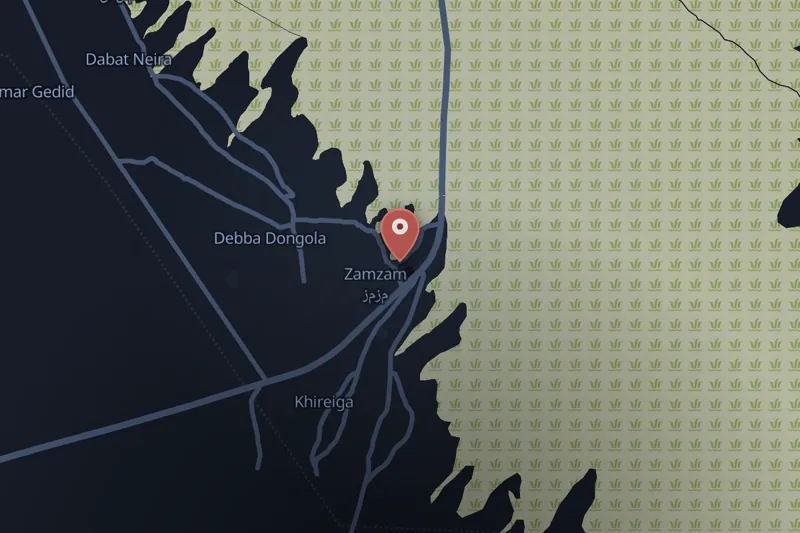
Zamzam and Abu Shouk refugee camps, near El Fasher, North Darfur, Sudan
Sources
- ENCYCLOPEDICAttack on the Saudi Embassy in KhartoumWikipedia · 2026-07-07
- PRESSContemporaneous coverage — The Washington PostThe Washington Post · 2026-07-07
- PRESSContemporaneous coverage — The New York TimesThe New York Times · 2026-07-07
Record history
- First published
- JUL 07, 2026
- Last verified against sources
- JUL 07, 2026
When a file you follow changes — a new development, a correction, fresh coverage — the Dispatch is how you hear about it.
The Casepin Dispatch
A calm weekly briefing from the archive — one case worth understanding, meaningful updates to files you follow, and the best new coverage. You’ll also get the one-time note when the apps land. No gore, no rumor, no drip.