Casepin
Back to cases

Active case

Black January

UNSOLVED1990Baku, Azerbaijan SSR3 SOURCESUPDATED JUL 2026
Illustrative

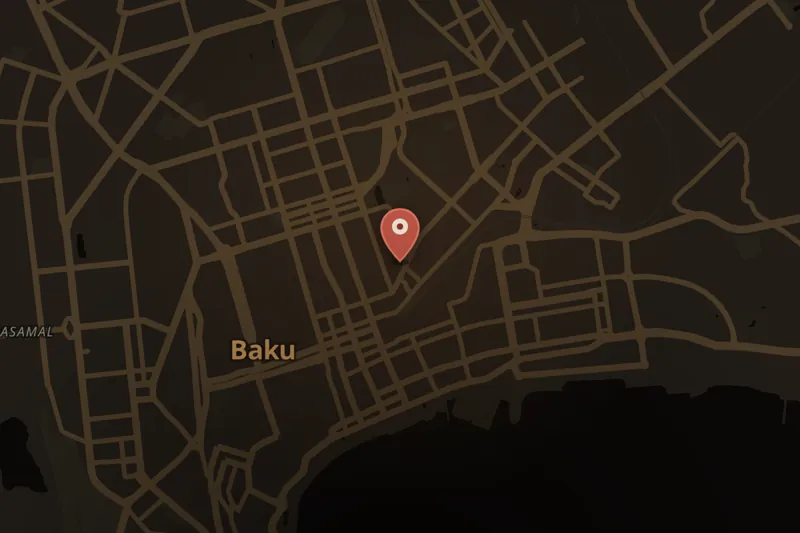
Black January (Azerbaijani: Qara Yanvar), also called Black Saturday or the January Massacre, refers to a violent Soviet military crackdown in Baku, Azerbaijan, on 19–20 January 1990, occurring amid the dissolution of the Soviet Union. The crackdown targeted anti-Soviet and anti-Armenian sentiment, Azerbaijani nationalism, and the independence movement led by the Popular Front of Azerbaijan.

The unrest emerged from escalating tensions over Nagorno-Karabakh. In December 1989, Azerbaijanis in border regions with Iran tore down border fences, and local administrations in Jalilabad and Lankaran were handed to the Popular Front. On 9 January 1990, the Armenian SSR's Supreme Soviet voted to incorporate Nagorno-Karabakh into its budget, prompting outrage and demonstrations in Azerbaijan. On 13 January, an anti-Armenian pogrom began in Baku, resulting in 48 deaths as thousands fled or were evacuated by Soviet forces. Local Azerbaijani authorities, paralyzed by internal divisions, could not restore order, and Interior Ministry troops and Soviet garrison units reportedly did not intervene, citing a lack of orders from Moscow.

On 19 January, the Presidium of the Supreme Soviet of the USSR, under General Secretary Mikhail Gorbachev, approved a decree imposing a state of emergency in Baku, effective 20 January. That night, after Soviet special forces demolished the central television station and cut phone and radio lines, roughly 26,000 Soviet troops entered Baku, breaking through civilian barricades. Gorbachev claimed that Popular Front gunmen fired on soldiers, but the independent Moscow-based Shield organization found no evidence of armed combatants and concluded the army had waged war on civilians, calling for a criminal investigation of Defence Minister Dmitry Yazov, who led the operation. Troops fired into crowds over three days.

According to Azerbaijani official estimates, 147 civilians were killed, 800 were injured, and five went missing; other sources cite a toll between 133 and 137 civilian deaths, with unofficial figures reaching as high as 300. An additional 26 people were killed in the Neftchala and Lankaran regions. Reports on military casualties vary, with figures of 21 to 29 Soviet soldiers reported killed, though the circumstances of some soldier deaths, including possible friendly fire, remain disputed.

Human Rights Watch and the Memorial Society/Helsinki Watch later found the use of force disproportionate to any resistance, describing it as collective punishment, and documented the use of armored vehicles, bayonets, and gunfire directed at marked ambulances. Following Azerbaijan's 1991 restoration of independence, the General Prosecutor's Office filed a 1992 lawsuit against individuals involved, later extended in 2003 to target Gorbachev for alleged constitutional violations. Victims were posthumously honored as "Martyrs of January 20" by presidential decree in 1999, and 20 January is observed annually in Azerbaijan as a Day of Mourning. A memorial to the victims was unveiled in Baku's Yasamal district in January 2010.

Key facts

Victims
On file
Date
1990
Location
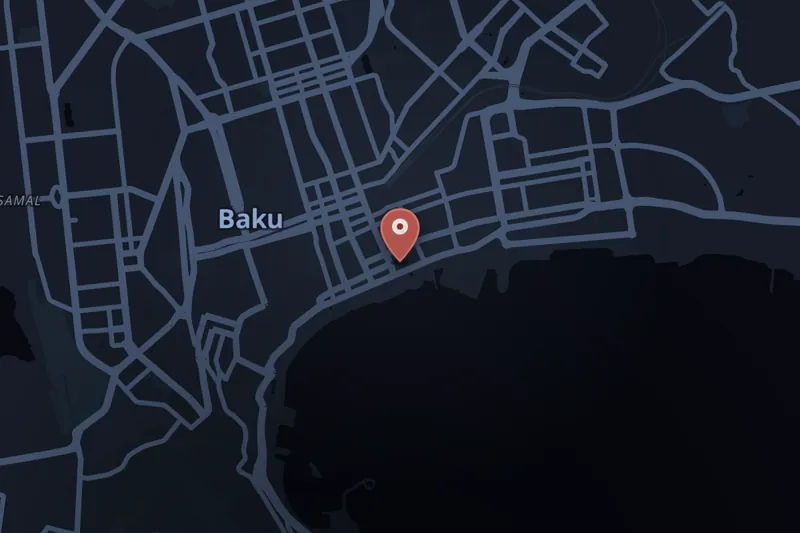
Baku, Azerbaijan SSR
Case status
unsolved

Case timeline

  1. 1989-12

    Azerbaijanis in regions bordering Iran tear down border fences; local administrations in Jalilabad and later Lankaran are turned over to the Popular Front of Azerbaijan.

  2. 1990-01-09

    Supreme Soviet of the Armenian SSR votes to include Nagorno-Karabakh in its budget, prompting outrage and demonstrations in Azerbaijan.

  3. 1990-01-12

    Popular Front organizes a national defence committee in Baku.

  4. 1990-01-13

    Anti-Armenian pogrom begins in Baku, resulting in 48 deaths.

  5. 1990-01-15

    Authorities declare a state of emergency in parts of Azerbaijan, excluding Baku.

  6. 1990-01-18

    Popular Front supporters barricade main access routes into Baku.

  7. 1990-01-19

    Presidium of the Supreme Soviet of the USSR approves decree imposing state of emergency in Baku; Soviet forces cut TV, radio, and phone lines; roughly 26,000 Soviet troops enter Baku that night, breaking through barricades.

  8. 1990-01-20

    State of emergency takes effect; Soviet troops fire on protesters; shooting continues for three days.

  9. 1990-01-22

    Nearly the entire population of Baku turns out to bury the dead; Supreme Soviet of the Azerbaijan SSR holds a special session condemning the crackdown.

  10. 1991-05

    Memorial Society and Helsinki Watch report finding evidence of unwarranted breach of civil liberties and unjustified use of force by Soviet troops.

  11. 1991-10-18

    Azerbaijan parliament restores the country's independence.

  12. 1992-02-14

    Azerbaijani General Prosecutor's Office institutes a lawsuit against individuals involved in the crackdown.

  13. 1994

    National Assembly of Azerbaijan adopts a full political and legal evaluation of the Black January events.

  14. 1999-12-16

    Decree of President Heydar Aliyev awards victims the honorary title 'Martyr of January 20.'

  15. 2003-03

    Lawsuit extended to target former Soviet president Mikhail Gorbachev for alleged constitutional violations.

  16. 2010-01-20

    Memorial to Black January victims opens in the Yasamal district of Baku.

Best coverage

No approved coverage links are attached yet.

People

  • Dmitry Yazov

    CHARGED

    Soviet Defence Minister who personally led the military operation; named in a 1992 Azerbaijani General Prosecutor's Office lawsuit targeting individuals involved, and the Shield organization called for a criminal investigation against him.

  • Mikhail Gorbachev

    CHARGED

    General Secretary of the Soviet Communist Party who signed the decree imposing the state of emergency in Baku; targeted in a March 2003 lawsuit by Azerbaijan's General Prosecutor's Office for alleged violations of Soviet and Azerbaijani SSR constitutional articles.

Roles reflect public records and court outcomes at the time of writing — supporting citations are on file under Sources.

Places

Common questions

What happened to the victim?
In January 1990, Soviet troops crushed an Azerbaijani nationalist movement in Baku, killing an estimated 133–147 civilians and wounding hundreds during a military crackdown ordered under a state of emergency.
Where did the crime happen?
Baku, Azerbaijan SSR.
What is the current status of the case?
Status: unsolved.

Sources

  1. ENCYCLOPEDICBlack JanuaryWikipedia · 2026-07-10
  2. PRESSContemporaneous coverage — BBC NewsBBC News · 2026-07-10
  3. PRESSContemporaneous coverage — The New York TimesThe New York Times · 2026-07-10

Record history

First published
JUL 11, 2026