Between December 1972 and November 1988, a clandestine Danish far-left group later nicknamed the Blekingegade Gang (Danish: Blekingegadebanden) carried out a series of armed robberies, thefts, and frauds across Denmark and neighboring countries, funneling the proceeds to the Popular Front for the Liberation of Palestine (PFLP). The group grew out of the Communist Task Force (KAK) and its youth wing, which had operated as public political and demonstration groups before converting to a secretive underground cell in late 1970.
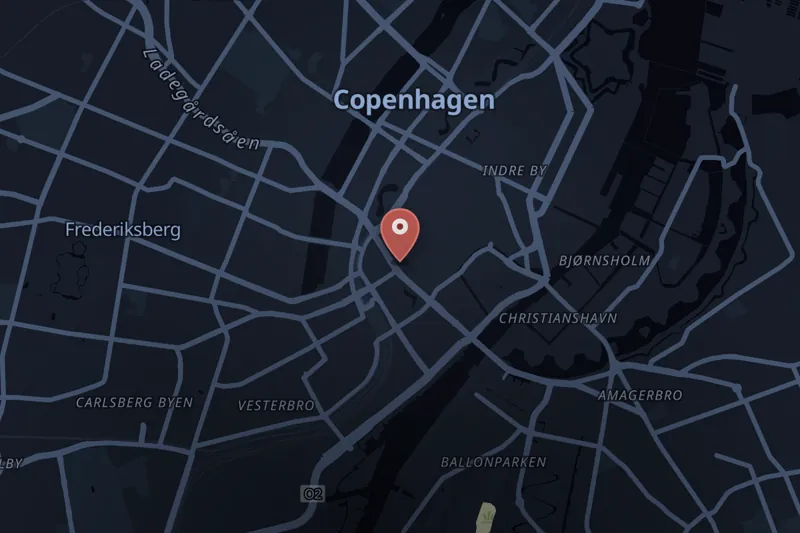
The gang's methods combined weeks or months of surveillance with brief, forceful robberies: crews used stolen vehicles, false identities, disguises, and countersurveillance techniques, and relied on intimidation rather than casualties to control victims during heists. Documented early crimes included a December 1975 cash-transport theft of about DKK 0.5 million (US$81,000), a September 1976 post office robbery of about DKK 0.55 million (US$91,000), and a November 1976 fraud scheme using forged tax-refund money orders that netted about DKK 1.4 million (US$240,000); the gang's responsibility for these earlier crimes was treated as alleged rather than proven in court. In November 1982 the group broke into a Swedish army depot and stole heavy weaponry, including bazookas, anti-personnel mines, and plastic explosives. A January 1985 plan to kidnap Jörn Rausing, the son of a Swedish industrialist, for a US$25 million ransom failed just before the planned abduction. In September 1985 the gang moved its hideout to an apartment on Blekingegade (Blekinge Street) in Copenhagen, the address that later gave the group its press nickname.
The gang's final robbery took place on 3 November 1988 at Copenhagen's old main post office, where the group took about DKK 9.3 million (US$1.4 million) in cash and bearer bonds from a postal transport. As the gang fled, police arrived earlier than the group had anticipated and a gunfight broke out; a shotgun blast fired by a fleeing gang member fatally struck rookie police officer Jesper Egtved Hansen. Danish courts later found that prosecutors could not prove which gang member fired the fatal shot, or that the group had planned to use deadly force, and no individual was ever convicted specifically for Hansen's death.
Police arrested gang members Peter Døllner, Torkil Lauesen, Jan Weimann, and Niels Jørgensen, along with Jørgensen's former wife, on 13 April 1989. A search of their homes and workplaces turned up matching sets of keys but not the gang's hideout. Gang member Carsten Nielsen was arrested in hospital on 2 May 1989 after a car crash led police to a utility bill for the Blekingegade apartment, where officers then found a hidden cache of weapons and explosives. A trial running from September 1990 to May 1991 excluded most pre-1980 offenses under the statute of limitations and produced some not-guilty verdicts on the remaining specific charges, but the Danish Supreme Court confirmed sentences against the defendants on appeal on 8 November 1991. Gang member Marc Rudin, tried separately, was convicted in October 1993 for his role in the final robbery. Gang members still imprisoned were released on parole in December 1995, and Rudin was released from prison in February 1997.


 SOLVEDListen