Skip to content
Casepin

Solved case · 2003

Canal Hotel bombing

SOLVEDCONVICTED
Updated
Updated Jul 7, 2026
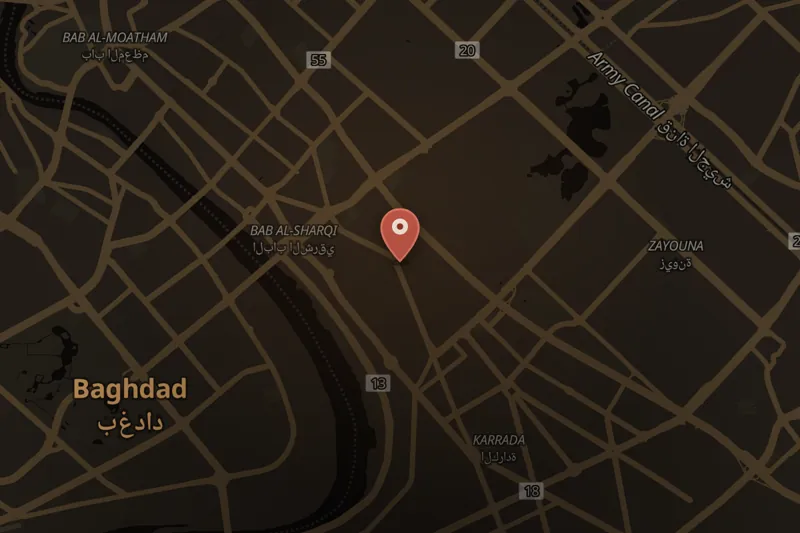
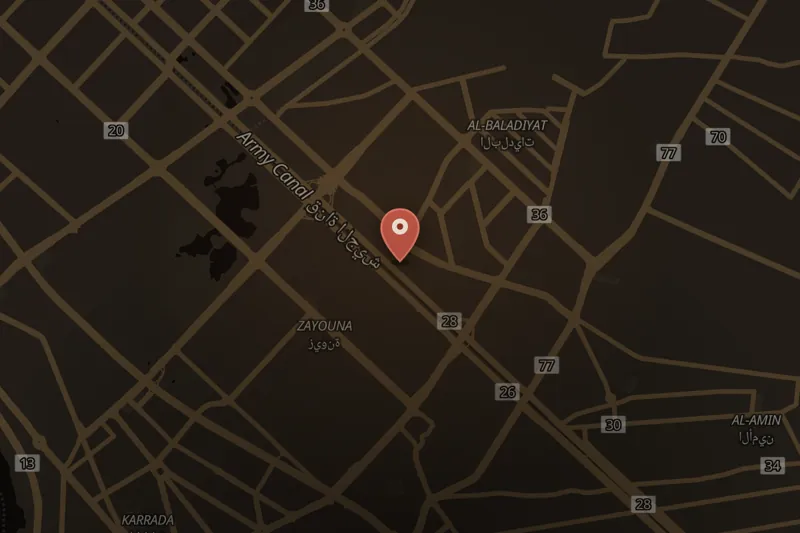
Canal Hotel, Baghdad, IraqView on the map

The short answer

Canal Hotel bombing in brief

A suicide truck bombing struck the Canal Hotel in Baghdad on 19 August 2003, killing 23 people including UN Special Representative Sérgio Vieira de Mello and wounding over 100, prompting a mass UN withdrawal from Iraq.

Key facts

Year
2003
Place
Canal Hotel, Baghdad, Iraq
Status
SOLVEDSolved
Victims
Gil Loescher, Marilyn Manuel, Sérgio Vieira de Mello and Amin Mekki Medani
Outcome
Convicted: Awraz Abd Aziz Mahmoud Sa'eed

The coverage index

Where to watch & listen

No one's coverage is attached to this file yet.

Know great coverage of this case?

A documentary, a podcast episode, a careful long-form video. Suggest it and an editor will review it before it appears here.

Suggest coverage for Canal Hotel bombing

The case file

What happened

On the afternoon of 19 August 2003, a suicide bomber drove a truck bomb beneath the office window of Sérgio Vieira de Mello, the United Nations' Special Representative in Iraq, at the Canal Hotel in Baghdad, which housed the United Nations Assistance Mission in Iraq (UNAMI), established only five days earlier. The blast killed 23 people and wounded more than 100, including human rights lawyer and political activist Amin Mekki Medani. The vehicle used was identified as a large 2002 flatbed Kamaz truck, part of the former Iraqi establishment's fleet, and investigators suspected the bomb was built from old munitions, including a single 500-pound aerial bomb from Iraq's pre-war arsenal.

The UN Office for the Coordination of Humanitarian Affairs Humanitarian Information Centre, located directly beneath de Mello's office, suffered a direct hit. Of eight staff and one visitor present, seven were killed instantly; de Mello and Gil Loescher were critically wounded and trapped in the rubble. U.S. Army First Sergeant William von Zehle, later joined by Staff Sergeant Andre Valentine, spent roughly three hours attempting to free the two men without rescue equipment. Loescher survived after his crushed legs were amputated during the rescue; de Mello died before he could be extricated. Marilyn Manuel, a member of de Mello's staff, was initially listed as missing and presumed dead but was found to have survived after being evacuated to an Iraqi hospital that had not notified the UN of her presence.

The attack was followed on 22 September 2003 by a second suicide car bombing near the same UN headquarters, killing the bomber and an Iraqi policeman and wounding 19 others, including UN workers. Together, the two attacks led to the withdrawal within weeks of most of the roughly 600 UN international staff from Iraq, along with employees of other aid agencies; a UN presence under de Mello's replacement, Ashraf Qazi, did not return to Baghdad until August 2004.

In an audiotape published on 6 April 2004, which the CIA assessed as "probably authentic," Abu Musab al-Zarqawi, leader of Jama'at al-Tawhid wal-Jihad, claimed responsibility for the bombing, stating de Mello had been specifically targeted because of his role in East Timor's independence from Indonesian occupation. Other named suspects and claims followed: the Italian newspaper Corriere della Sera identified the suicide bomber as Algerian national Fahdal Nassim; an unknown group calling itself the "Armed Vanguards of the Second Mohammed Army" also claimed responsibility; and in January 2005 a bombmaker for al-Zarqawi's network, Abu Omar al-Kurdi, was captured and said his associates had made the bomb. Awraz Abd Aziz Mahmoud Sa'eed, known as al-Kurdi, was captured by U.S. forces in 2005, confessed to helping plan the attack for al-Zarqawi, was sentenced to death by an Iraqi court, and was executed by hanging on 3 July 2007. In December 2005, Iraqi authorities also issued an arrest warrant for a commander of Ansar al-Sunna in connection with the attack.

UN Secretary-General Kofi Annan condemned the bombing as "unprovoked and murderous violence." In 2008 the UN General Assembly designated 19 August as World Humanitarian Day to honor humanitarian and UN personnel who have lost their lives in the course of their work.

9 dated entries · 2003–2008

Timeline

  1. United Nations Assistance Mission in Iraq (UNAMI) is created.

  2. A suicide truck bombing at the Canal Hotel in Baghdad kills 23 people, including UN Special Representative Sérgio Vieira de Mello, and wounds over 100.

  3. A second suicide car bomb attack near UN headquarters in Baghdad kills a security guard/Iraqi policeman and wounds 19 others.

  4. A claim of responsibility for the 19 August 2003 bombing is published in an audiotape.

  5. Ashraf Qazi, de Mello's replacement, arrives in Baghdad with a small number of UN staff.

  6. Al-Zarqawi bombmaker Abu Omar al-Kurdi is captured and claims his associates made the bomb used in the attack.

  7. Iraqi authorities issue an arrest warrant for Mullah Halgurd al-Khabir, a commander of Ansar al-Sunna, in connection with the attack.

  8. Awraz Abd Aziz Mahmoud Sa'eed (al-Kurdi), sentenced to death for helping plan the attack, is executed by hanging.

  9. The UN General Assembly adopts Resolution A/63/139 designating 19 August as World Humanitarian Day.

7 named in this file

People

Victims first. Every legal label is set from public records and court outcomes, not from the prose.

  • Amin Mekki Medani

    VICTIM

    Human rights lawyer and political activist wounded in the bombing[3]

  • Gil Loescher

    VICTIM

    UN official critically wounded in the bombing; survived after amputation of crushed legs during rescue[3]

  • Marilyn Manuel

    VICTIM

    Member of de Mello's staff initially listed as missing and presumed dead; found to have survived[3]

  • Sérgio Vieira de Mello

    VICTIM

    United Nations Special Representative in Iraq, killed in the bombing[3]

  • Awraz Abd Aziz Mahmoud Sa'eed

    CONVICTED

    Known as al-Kurdi; confessed to helping plan the attack for al-Zarqawi, sentenced to death by an Iraqi court, and executed by hanging on 3 July 2007[3]

  • Andre Valentine

    LAW ENFORCEMENT

    U.S. Army Staff Sergeant who joined the rescue effort at the collapsed building[3]

  • William von Zehle

    LAW ENFORCEMENT

    U.S. Army First Sergeant who led rescue efforts to extricate de Mello and Loescher from the rubble[3]

From the record

Quick answers

Who was convicted?
Awraz Abd Aziz Mahmoud Sa'eed: Known as al-Kurdi; confessed to helping plan the attack for al-Zarqawi, sentenced to death by an Iraqi court, and executed by hanging on 3 July 2007

3 cited

Sources

Coverage is not a source: every fact in this file rests on the records below.

  • 2 Press
  • 1 Encyclopedic
  1. Contemporaneous coverage — CBS News

    PressCBS NewsAccessed Jul 7, 2026

  2. Contemporaneous coverage — BBC News

    PressBBC NewsAccessed Jul 7, 2026

  3. Canal Hotel bombing

    EncyclopedicWikipediaAccessed Jul 7, 2026

Trust

Record history

First published
Jul 7, 2026
Corrections
None

Are you family of someone named in this file? Corrections and removal requests from victims’ families are prioritized.