Case file
Chhota Ghallughara (1746 Massacre of Sikhs)

Overview
Chhota Ghallughara ("Smaller Massacre"), also called the Nikka Ghallughara, refers to a 1746 mass killing of Sikhs by Mughal Empire forces in the Punjab region. The killings, which occurred between March and May 1746, are attributed to an army led by Yahya Khan, the Mughal Subahdar (governor) of Lahore, and Diwan Lakhpat Rai, a Mughal revenue minister. An estimated 7,000 Sikhs were killed during the operation, with an additional 3,000 taken captive and later executed at Lahore.
Background and Lead-up
The massacre followed decades of Mughal persecution of Sikhs under governors Zakariya Khan and later his son Yahya Khan, including public executions at Lahore's horse market (later renamed Shahidganj), the 1737 execution of Bhai Mani Singh, and the 1745 execution of Bhai Taru Singh. The immediate trigger cited in the source is the death of Jaspat Rai — the Faujdar of Eminabad and brother of Lakhpat Rai — who was killed in an encounter with a band of Sikhs led in part by Sukha Singh, reportedly by a Sikh named Nibahu Singh. Lakhpat Rai reportedly vowed revenge, removing his turban in Yahya Khan's court and swearing not to wear it again until Sikhs were eliminated.
Course of the Massacre
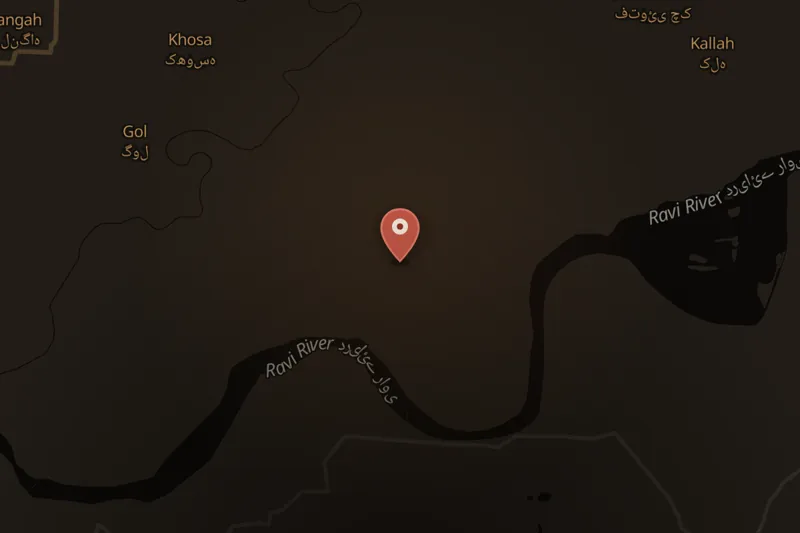
Killings reportedly began in Lahore on 10 March 1746, targeting the Sikh population there, before shifting focus to Amritsar. Sikh leaders, including Baba Deep Singh, Nawab Kapur Singh, and Jassa Singh Ahluwalia, directed followers to take refuge in the Kahnuwan marshlands near the Beas River, in present-day Gurdaspur district. Mughal forces, estimated at around 50,000, besieged the marsh, reportedly using artillery before setting the jungle on fire around 30 May 1746 to force the Sikhs out. Surviving Sikhs attempted a retreat toward the Himalayan foothills and Basohli Hills, facing opposition from hill-state forces, before breaking through the Mughal encirclement and fleeing south toward the Lakhi Jungle near Bathinda via the Ravi, Beas, and Sutlej rivers.
Casualties and Aftermath
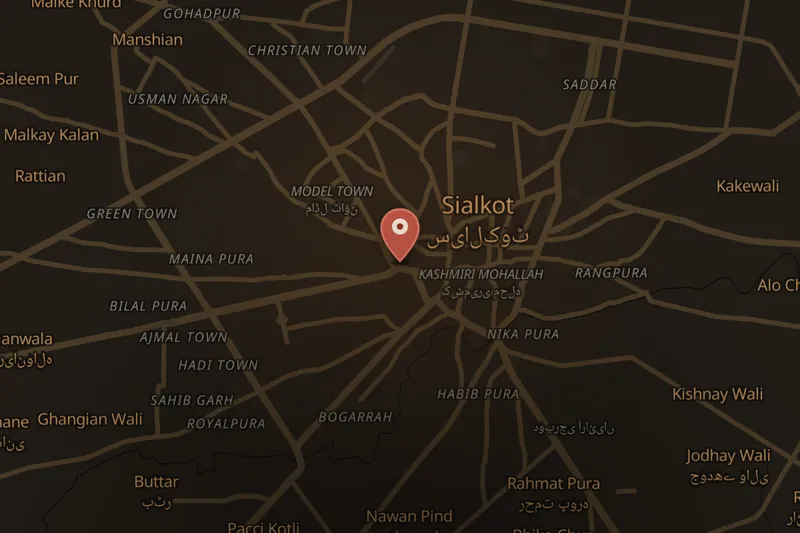
Captured Sikhs were reportedly marched to Lahore, paraded, and beheaded at Nakhas Chowk, with heads displayed at the city gates. Estimates of total Sikh deaths vary by source, ranging from roughly 7,000–11,000 in most accounts to higher figures (15,000–40,000) in some historical and secondary estimates, while one modern historian (Purnima Dhavan) is cited as estimating a much lower figure of around 400. In the aftermath, the Sarbat Khalsa passed a Gurmata in 1747 calling for the construction of a fortress (Ram Rauni) at Amritsar and reorganization of Sikh forces into misls under Jassa Singh Ahluwalia.
Legacy
A memorial to the massacre was inaugurated in Kahnuwan, Gurdaspur district, in 2011, and a gurdwara — Gurdwara Chhota Ghallughara Sahib — marks the site.

Key facts
- Victims
- Bhai Mani Singh, Bhai Taru Singh, Jaspat Rai, Bhai Bota Singh, Bhai Garja Singh
- Date
- 1746
- Location
- Kahnuwan marshlands, Gurdaspur district, Punjab
- Case status
- solved
Case timeline
1721
Zakariya Khan appointed Mughal governor of Lahore and begins a campaign against Sikhs.
1737
Bhai Mani Singh executed by Mughal administration at Lahore.
1739
Hundreds of Sikhs rounded up and executed at Lahore's horse market, later named Shahidganj.
1740-08-11
Mughal officer Massa Ranghar killed at Darbar Sahib (Golden Temple) by Sikhs Mehtab Singh and Sukha Singh.
1745
Bhai Taru Singh arrested and later executed at Lahore; Zakaria Khan dies and is succeeded by his son Yahya Khan.
1746
Jaspat Rai, Faujdar of Eminabad, killed by Sikhs, prompting his brother Diwan Lakhpat Rai to vow revenge.
1746-03-10
Mass killing of Sikhs begins in Lahore and later at the Kahnuwan marshlands.
1746-05-30
Mughal forces set fire to the Kahnuwan jungle to drive out Sikh hold-outs.
1746-06-01
Sukha Singh's group of Sikh survivors takes horses and weapons from defeated Mughal-recruited villagers during the retreat.
1747
Sarbat Khalsa passes a Gurmata calling for construction of the Ram Rauni fortress at Amritsar in the aftermath of the massacre.
2011
A memorial for the massacre is inaugurated in Kahnuwan, Gurdaspur district, by Parkash Singh Badal.
Best coverage
No approved coverage links are attached yet.
People
Bhai Mani Singh
VICTIMSikh scholar and teacher executed by Mughal authorities in 1737 after being unable to pay a levied tax following his warning to Sikhs of a planned attack.
Bhai Taru Singh
VICTIMSikh from the village of Puhla arrested in 1745 for allegedly supplying resources to Sikhs in hiding; scalped and left to die after refusing to convert.
Jaspat Rai
VICTIMFaujdar (military commander) of Eminabad killed in a skirmish with Sikh forces, an event cited as the immediate trigger for the 1746 massacre.
Bhai Bota Singh
VICTIMSikh who, with Bhai Garja Singh, publicly defied Mughal authority near Tarn Taran and died fighting Mughal soldiers sent to apprehend them in 1739.
Lakhpat Rai
CHARGEDDiwan (revenue minister) of Lahore identified by the source as having organized and led the massacre campaign against Sikhs, reportedly in revenge for his brother's death.
Yahya Khan
CHARGEDMughal Subahdar (governor) of Lahore identified by the source as having led, with permission granted, the Mughal army responsible for the 1746 killings of Sikhs.
Bhai Garja Singh
VICTIMSikh companion of Bhai Bota Singh who died fighting Mughal soldiers near Tarn Taran in 1739.
Roles reflect public records and court outcomes at the time of writing — supporting citations are on file under Sources.
Places
Common questions
- What happened to the victim?
- In 1746, Mughal forces under Lahore's Subahdar Yahya Khan and revenue minister Diwan Lakhpat Rai killed an estimated 7,000 Sikhs and captured roughly 3,000 more, who were later executed at Lahore, in a campaign centered on the Kahnuwan marshlands near the Beas River.
- Where did the massacre happen?
- Kahnuwan marshlands, Gurdaspur district, Punjab.
- What is the current status of the case?
- Status: solved.
Sources
- ENCYCLOPEDICChhota GhallugharaWikipedia · 2026-07-07
- PRESSJaspat Rai (d. 1746)eos.learnpunjabi.org · 2026-07-07
- PRESSGurudwara Chhota Ghallughara Sahib holds an important place in Sikh historypunjabijagran.com · 2026-07-07
Record history
- First published
- JUL 07, 2026