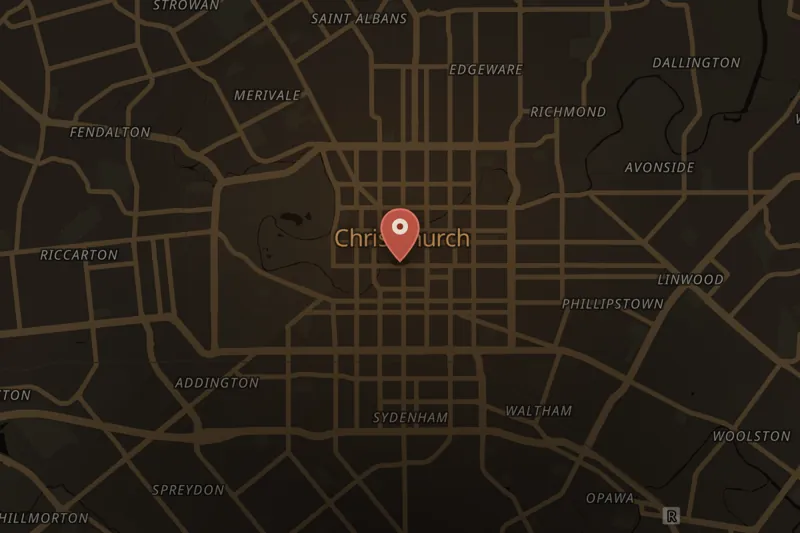
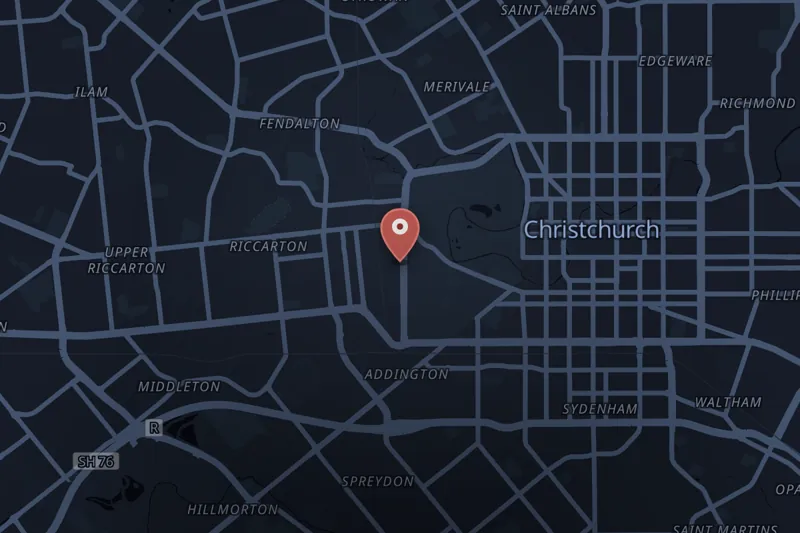
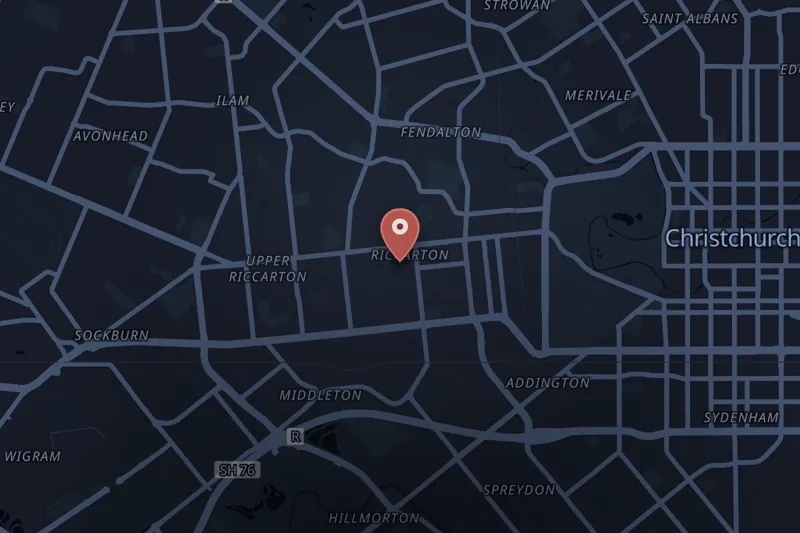
On 15 March 2019, two consecutive mass shootings took place during Friday prayer in Christchurch, New Zealand: first at the Al Noor Mosque in Riccarton at 1:40 p.m., then at the Linwood Islamic Centre at 1:52 p.m. In total, 51 people aged between 3 and 77 were killed — 44 at Al Noor and seven at Linwood — and 89 others were injured, 40 of them by gunfire. The perpetrator was identified as Brenton Harrison Tarrant, a 28-year-old Australian man who had lived in Dunedin since August 2017.
Tarrant live-streamed the first attack for 17 minutes on Facebook, in what is described as the first successfully live-streamed far-right terror attack, and had emailed a 74-page manifesto titled "The Great Replacement" to more than 30 recipients, including the prime minister's office, shortly before the attack began. He was armed with six firearms, including two AR-15-style rifles and two shotguns, along with illegally modified high-capacity magazines. During the attacks, worshipper Naeem Rashid confronted Tarrant at Al Noor Mosque and was killed; at Linwood, Abdul Aziz Wahabzada confronted Tarrant with an empty shotgun and a payment terminal, an act credited with disrupting further violence. Tarrant was arrested at 1:59 p.m. after police rammed his vehicle as he drove toward a third planned target, a mosque in Ashburton.
Tarrant was initially charged with murder and later faced 51 counts of murder, 40 counts of attempted murder, and one count of engaging in a terrorist act under the Terrorism Suppression Act 2002. He initially pleaded not guilty in June 2019, but on 26 March 2020 changed his plea to guilty on all 92 charges. On 24 August 2020, Justice Cameron Mander at the Christchurch High Court sentenced Tarrant to life imprisonment without the possibility of parole for each of the 51 murders, and life imprisonment for the terrorism charge and the 40 attempted murders — the first sentence of its kind in New Zealand and the country's first terrorism conviction. The judge stated that Tarrant's crimes were "so wicked that even if you are detained until you die, it will not exhaust the requirements of punishment and denunciation." In February 2026, the Court of Appeal heard and rejected as "utterly without merit" a claim by Tarrant that he had pleaded guilty under duress.
Prime Minister Jacinda Ardern described the attack as "one of New Zealand's darkest days" and directed that the perpetrator be rendered "nameless" in public discourse. The government banned Tarrant's manifesto, moved to restrict semi-automatic firearms through the Arms (Prohibited Firearms, Magazines, and Parts) Amendment Act 2019, and established a royal commission into the security agencies' handling of the case, which reported in late 2020. New Zealand police also arrested and prosecuted several people for distributing the live-streamed video or manifesto, including Philip Arps, who was sentenced to 21 months' imprisonment. The attack prompted the Christchurch Call, a May 2019 international summit co-hosted by Ardern and French President Emmanuel Macron aimed at curbing the spread of violent extremist content online. The United Nations later designated 15 March as the International Day to Combat Islamophobia in response to the attack.


 SOLVEDListen