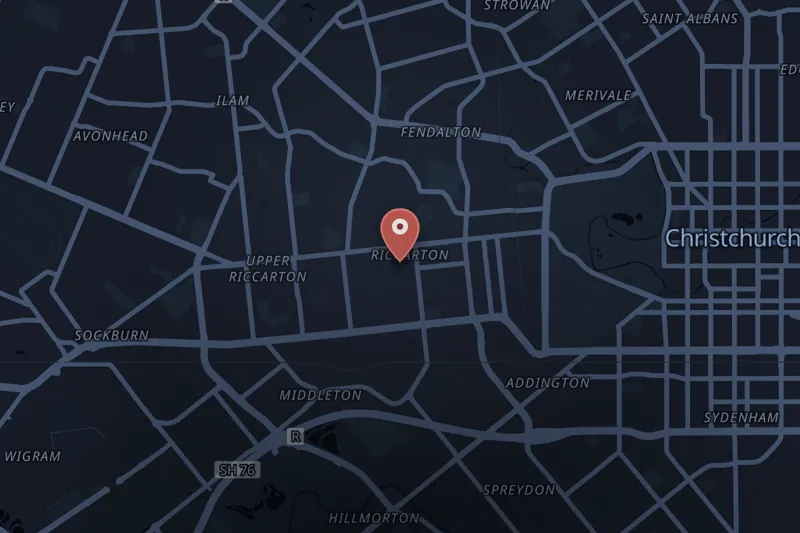
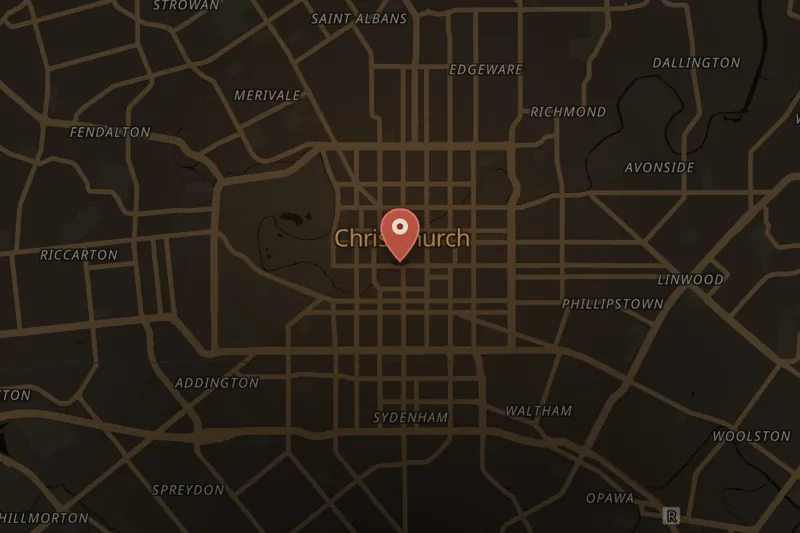
On the afternoon of 22 June 1954, Honorah Mary Rieper (also known as Honorah Mary Parker) had afternoon tea with her 16-year-old daughter, Pauline Parker, and Pauline's close friend, 15-year-old Juliet Hulme, at a tea kiosk in Victoria Park, Christchurch, New Zealand. After the meal, the three walked into a wooded area of the park, roughly 130 metres down a path, where Parker and Hulme bludgeoned Rieper to death using half a brick enclosed in an old stocking. The girls returned to the tea kiosk and told the owners, Agnes and Kenneth Ritchie, that Rieper had fallen and hit her head. Rieper's body was discovered in the park by Ritchie; she had suffered major lacerations to her head, neck, and face, along with minor injuries to her fingers. Police recovered the murder weapon nearby, and the girls' account of an accidental fall collapsed after investigators found Pauline Parker's diary at her home, which documented the planning of the killing.
Parker and Hulme had formed an intense friendship after meeting as young teenagers, bonding partly over shared childhood illnesses. Over time they developed an elaborate shared fantasy life, including an invented personal religion and a conceived "Fourth World." Their closeness caused concern among both families, who suspected a sexual relationship, which was viewed as a mental illness at the time. In 1954, Hulme's parents separated and it was arranged that Hulme would be sent to live with relatives in South Africa. The girls, distressed at the prospect of separation, hoped Parker could go too, but Parker believed her mother would refuse to allow this. According to the case record, they planned to kill Rieper to remove this perceived obstacle, with an eventual aim of relocating to Hollywood or New York to pursue writing and film careers.
The trial drew significant public attention, with speculation about the girls' sexuality and mental state. Because they were legally too young for the death penalty, both were convicted on 28 August 1954 and each served five years in prison — Hulme at Mount Eden prison in Auckland. Reports of a no-contact release condition were denied by then-Secretary for Justice Sam Barnett. After release, Hulme's departure was unconditional and she rejoined her father in Italy, while Parker served six months' parole in New Zealand before leaving the country under a new identity, Hilary Nathan. The case was cited less than four months after conviction as evidence in the Mazengarb Report on youth moral delinquency.
In later life, Parker lived quietly, reportedly expressing remorse for the killing through a 1996 statement released via her sister. Hulme became a successful novelist writing as Anne Perry, and publicly addressed the nature of her relationship with Parker in 2006, stating they were not lesbians. Perry died in April 2023.

 OVERTURNEDListen