Case file
Concordia University shooting (1992)

On August 24, 1992, Valery I. Fabrikant, a mechanical engineering associate professor who had worked at Concordia University in Montreal for 13 years, entered the Engineering department carrying a briefcase containing three handguns and ammunition. Around 1:30 p.m., he went to the ninth floor of the Henry F. Hall Building. Fabrikant had a long history of disruptive behaviour toward students, staff, and colleagues, and relations with the university had become increasingly strained after he was denied tenure and faced dismissal over allegations of intimidation and harassment. He also faced a contempt of court charge related to a lawsuit against colleagues over credit for professional articles.
During the shooting, Fabrikant first sought out the Dean of Engineering and Computer Science and the chair of the mechanical engineering department, but neither was present. He then shot Michael Hogben, president of the Concordia University Faculty Association, who had attempted to hand him a letter restricting his access to faculty offices; Hogben died shortly after. Fabrikant then shot colleague Aaron Jaan Saber, who died in hospital the next day, and wounded staff secretary Elizabeth Horwood in the thigh. He proceeded to the office of Phoivos Ziogas, chair of the electrical and computer engineering department, shooting him twice; Ziogas died in hospital a month later after a struggle with colleague Otto Schwelb, who was unaware Fabrikant carried additional weapons. Fabrikant also shot professor Matthew Douglass four times, killing him almost instantly. He then took a security guard and a professor hostage, locking himself in an office and speaking with an emergency operator for about an hour before being disarmed when a hostage kicked away his gun and the security guard overpowered him. None of the victims were personally involved in the disputes Fabrikant had raised with the university.
Fabrikant was charged with murder and assault. Acting as his own lawyer after firing ten attorneys, he called 75 witnesses in his defense, but a jury took seven hours to convict him of four counts of first-degree murder, attempted murder, and two hostage-related charges. He was later declared a "vexatious litigant" by Canadian courts due to repeated lawsuits filed from prison, and his computer access was restricted. He was denied parole in both 2015 and 2022.
In the aftermath, Concordia University commissioned independent inquiries, including the 1994 Arthurs Report on academic and scientific integrity and the Cowan Report on Fabrikant's employment history and related human-resources issues. The university dismissed Fabrikant 17 days after the shootings, revised its ethics and administrative policies, joined the Coalition for Gun Control, and later adopted a formal Code of Rights & Responsibilities and Code of Ethics. A memorial of four granite study tables and a wall plaque in the Hall Building commemorates the four professors killed.

Key facts
- Victims
- Phoivos Ziogas, Elizabeth Horwood, Matthew Douglass, Aaron Jaan Saber, Michael Hogben
- Date
- 1992
- Location
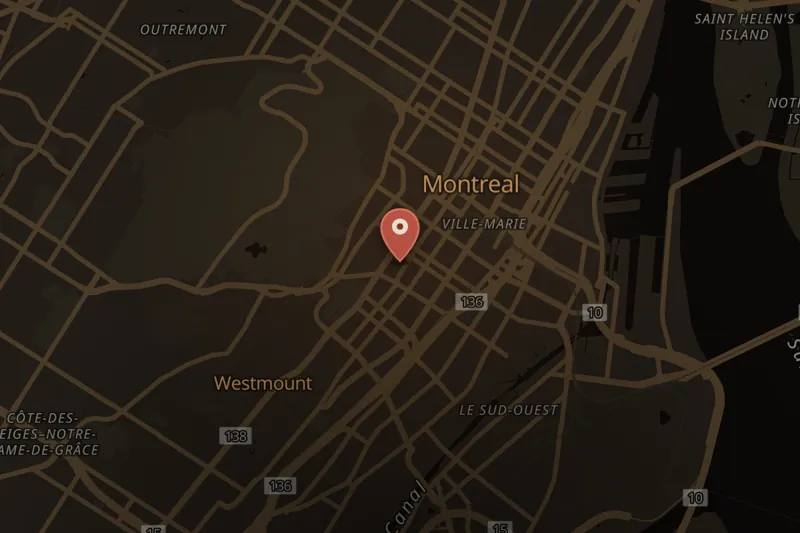
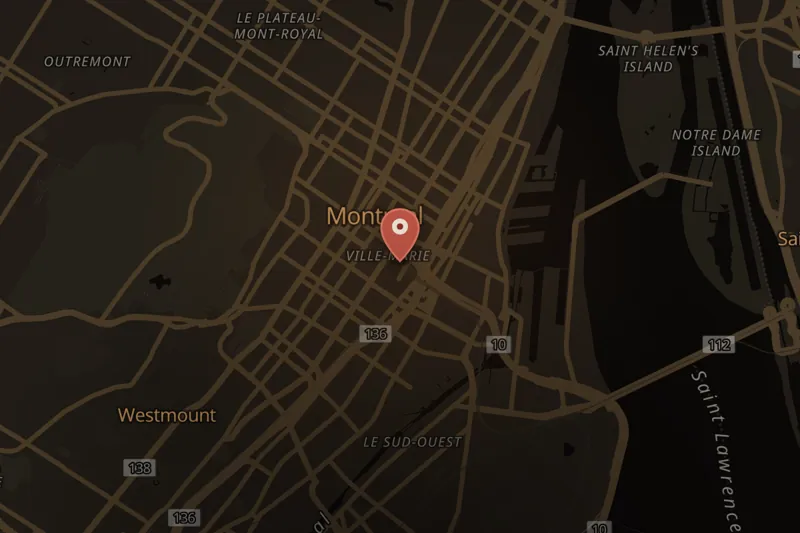
- Henry F. Hall Building, Concordia University, Montreal, Quebec, Canada
- Case status
- solved
Case timeline
1982
A student filed a police report alleging Fabrikant had raped her and dislocated her shoulder.
1989
Two people reported Fabrikant saying, "I know how people get what they want, they shoot a lot of people."
1991
Relations between Fabrikant and the university began to grow increasingly strained.
1992-08-24
Fabrikant shot and killed colleagues Michael Hogben, Aaron Jaan Saber, Phoivos Ziogas, and Matthew Douglass, and wounded staff secretary Elizabeth Horwood, on the ninth floor of Concordia University's Henry F. Hall Building; he was subsequently disarmed and taken into custody after a hostage-taking and standoff.
1992-09
Concordia University fired Fabrikant, 17 days after the shootings.
1994-04
The Independent Committee of Inquiry into Academic and Scientific Integrity, headed by H. W. Arthurs, released its report, Integrity in Scholarship (the Arthurs Report).
1994-05
John Scott Cowan's report, Lessons from the Fabrikant File (the Cowan Report), was released.
1994-03
Concordia representatives presented Members of Parliament with a 200,000-signature petition calling for a ban on private ownership of handguns in Canada.
1995
Concordia adopted "The Code of Rights & Responsibilities" and a partial version of "The Code of Ethics: Guidelines for Ethical Actions."
1997
The full version of Concordia's Code of Ethics was adopted.
2003
Concordia's Peace and Conflict Resolution Series began.
2015
Fabrikant was denied parole.
2022
Fabrikant was denied parole again.
2026-06-27
Fabrikant died in prison.
Best coverage
No approved coverage links are attached yet.
People
Phoivos Ziogas
VICTIMChair of the Electrical and Computer Engineering department; shot and died in hospital a month later.
Elizabeth Horwood
VICTIMDepartmental staff secretary; wounded in the thigh.
Matthew Douglass
VICTIMProfessor of civil engineering; shot and killed almost instantly.
Aaron Jaan Saber
VICTIMFaculty colleague; shot and died in hospital the next day.
Valery I. Fabrikant
CONVICTEDConvicted of four counts of first-degree murder, attempted murder, and two hostage-related charges; sentenced to life in prison.
Michael Hogben
VICTIMPresident of the Concordia University Faculty Association; shot and killed.
Roles reflect public records and court outcomes at the time of writing — supporting citations are on file under Sources.
Places
Common questions
- What happened to the victim?
- On August 24, 1992, Valery I. Fabrikant, an associate professor of mechanical engineering, shot and killed four colleagues and wounded a staff member on the ninth floor of Concordia University's Henry F. Hall Building in Montreal. He was convicted of first-degree murder and sentenced to life in prison.
- Where did the shooting happen?
- Henry F. Hall Building, Concordia University, Montreal, Quebec, Canada.
- Who was convicted?
- Valery I. Fabrikant (Convicted of four counts of first-degree murder, attempted murder, and two hostage-related charges; sentenced to life in prison.).
- What is the current status of the case?
- Status: solved. Last verified July 2026.
Sources
- ENCYCLOPEDICConcordia University massacreWikipedia · 2026-07-05
- PRESSContemporaneous coverage — CTV NewsCTV News · 2026-07-05
- PRESSContemporaneous coverage — archives.concordia.caarchives.concordia.ca · 2026-07-05
Record history
- First published
- JUL 05, 2026
- Last verified against sources
- JUL 05, 2026