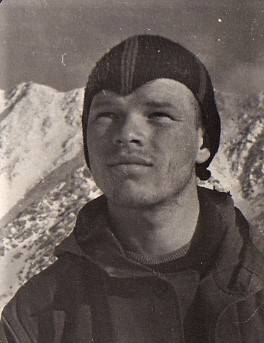
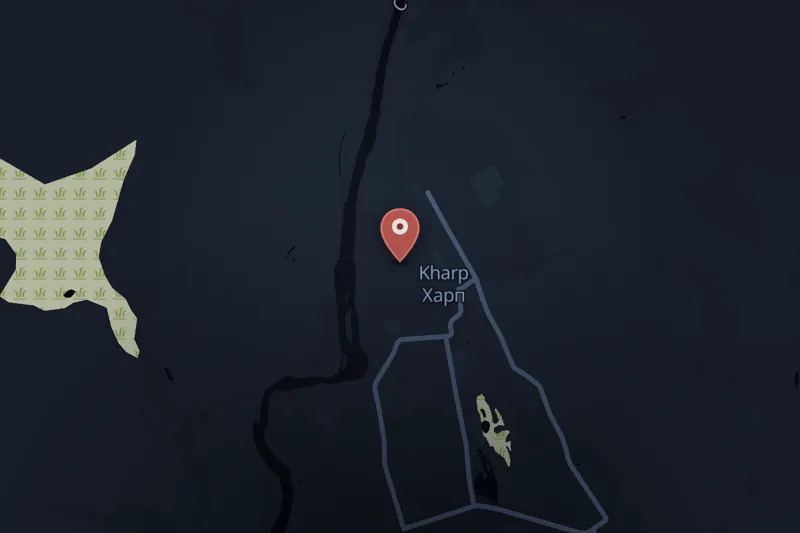
On 16 February 2024, at 14:19 Moscow time, the Russian Federal Penitentiary Service (FSIN) for the Yamalo-Nenets Autonomous Okrug announced that Alexei Navalny, a prominent critic of President Vladimir Putin, had died while serving a 19-year sentence at the IK-3 "Polar Wolf" penal colony in Kharp, in Russia's Arctic north. Navalny, 47, had been transferred to the colony in December 2023, a facility described by Novaya Gazeta as reserved for "especially dangerous repeat offenders" and reported to have harsh conditions including torture of inmates. He had spent a cumulative 300 days in solitary confinement during his imprisonment and appeared via video link at a court hearing the day before his death, seeming to be in good health.
Russian officials said Navalny lost consciousness after a walk and could not be revived despite resuscitation efforts. His spokeswoman Kira Yarmysh confirmed the death the next day and demanded the return of his body. An inmate of the colony described unusual activity, including a search, the evening before the official announcement, and reported that other prisoners were told of Navalny's death before it was publicly announced. The human rights group Gulagu.net said several prison cameras were inactive on 16 February and alleged bruising on Navalny's body that a medical examiner was instructed to attribute to post-mortem causes.
Russian authorities delayed returning Navalny's remains to his family for over a week, citing an ongoing investigation and a "chemical examination." His mother, Lyudmila Navalnaya, said investigators pressured her to agree to a secret burial before releasing the body, which was eventually returned to the family on 24 February. On 26 July 2024, the Investigative Committee of Russia concluded that Navalny's death "does not have a criminal nature," attributing it to a combination of pre-existing conditions and an arrhythmia triggered by high blood pressure. Navalny's widow, Yulia Navalnaya, disputed this, saying her husband had no known heart disease and was denied timely medical care. In February 2026, the United Kingdom, France, Germany, Sweden, and the Netherlands released a joint statement asserting that tests on samples from Navalny's body "conclusively" confirmed the presence of epibatidine, a toxin found in poison dart frogs; according to Sky News, the toxin was likely produced in a laboratory.
Western governments and human rights organizations broadly held Russian authorities responsible for Navalny's death, though a Wall Street Journal report in April 2024 said US intelligence agencies had concluded Putin likely did not personally order it, an assessment some European agencies reportedly viewed skeptically. Navalny's funeral was held on 1 March 2024 at a Moscow church, followed by burial at Borisovskoye Cemetery, amid heavy police presence. Thousands of mourners gathered despite the security presence, and OVD-Info reported 128 arrests across 19 cities connected to memorial events on the day of the funeral. In the days after his death, more than 400 (later corrected to 366) people were reported detained across Russia for participating in memorial gatherings.


 ONGOINGListen