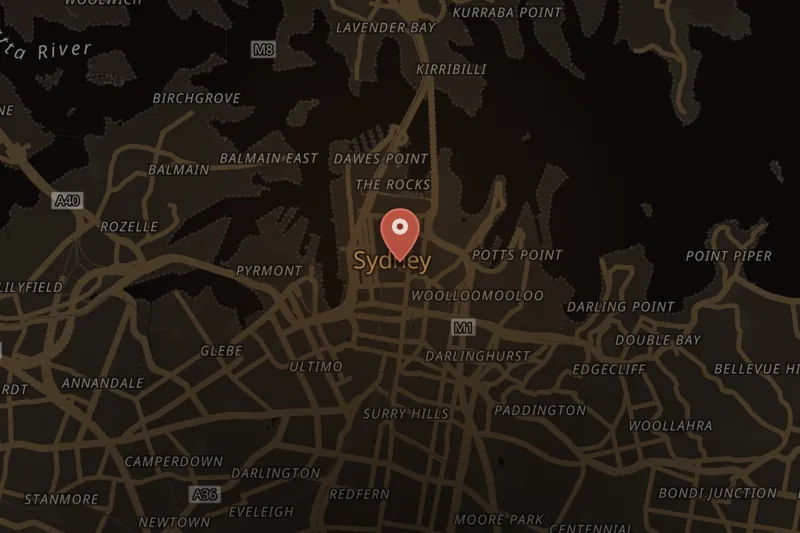
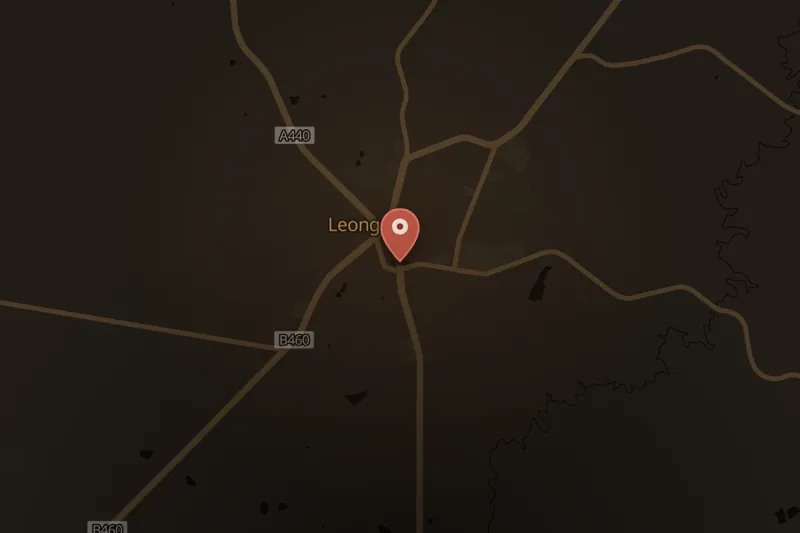
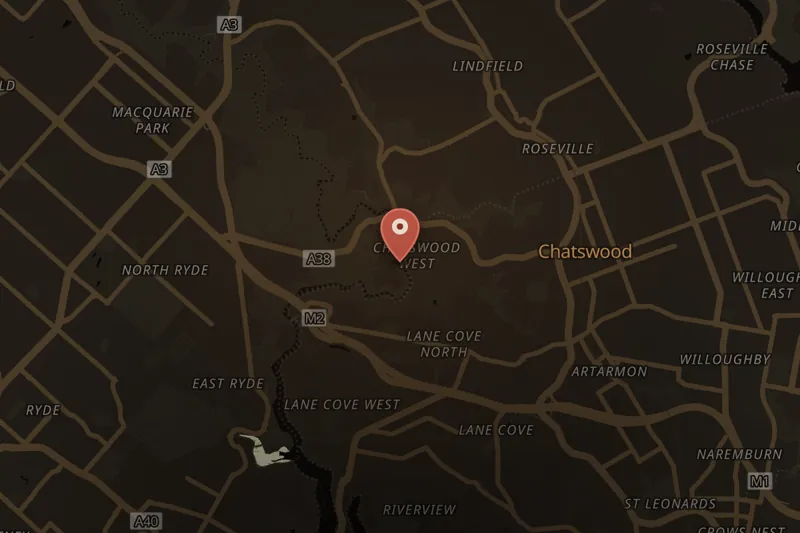
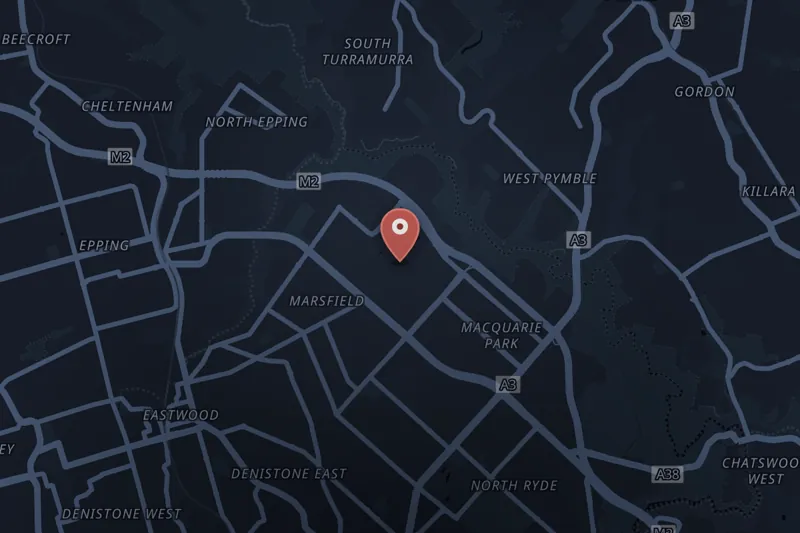
On the morning of 1 January 1963, the bodies of Gilbert Bogle and Margaret Chandler were found on the banks of the Lane Cove River in the northern suburbs of Sydney, Australia. Bogle, a physicist and former Rhodes Scholar employed by the Commonwealth Scientific and Industrial Research Organisation (CSIRO), and Chandler, a Sydney housewife married to a CSIRO colleague of his, had left a New Year's Eve party at Chatswood in the early hours and driven to a secluded riverside spot near Fullers Bridge that was then known as a lovers' lane.
Bogle's body was found face-down by two young men who were searching for golf balls. They first assumed he was asleep or drunk, and raised the alarm only after returning to find that he had not moved and his face had discoloured. Chandler's body lay a short distance away. Both were partially undressed, and both had been partly covered — with items of clothing and, in Chandler's case, pieces of cardboard. Signs of vomiting and distress at the scene suggested the pair had died suddenly, apparently from some form of poisoning, yet their bodies carried no marks of violence.
The investigation was hampered from the start. Because New Year's Day was a public holiday, the forensic examination of the bodies was delayed by roughly 36 hours, and when testing was carried out no trace of any poison could be identified. Police pursued a very large number of possible explanations, but none could be proven. A coronial inquest in May 1963 attributed the deaths to acute circulatory failure while stating that the available evidence did not allow the circumstances or underlying cause to be explained.
The unresolved cause, together with an unidentified person thought to have covered the bodies and Cold War–era speculation about Bogle's scientific work, made the case one of Australia's most enduring mysteries. Many theories were raised over the following decades, but no one was ever charged.
The most widely discussed modern explanation appeared in 2006, when a documentary argued that the pair had died from accidental hydrogen sulphide poisoning. According to this account, gas released from the heavily polluted river bed — long the subject of "rotten egg" odour complaints and fish kills — could have gathered in lethal concentrations in the still, cool early-morning air at the spot where they were found. Cited support included the unusual colour of the victims' blood and reports of disturbed, foul-smelling river sediment. The theory has been influential but is not universally accepted, with critics asking why no other deaths were recorded if the river was so hazardous.
More than six decades later, no one has been charged, and the deaths of Gilbert Bogle and Margaret Chandler remain officially unsolved.


 SOLVEDListen