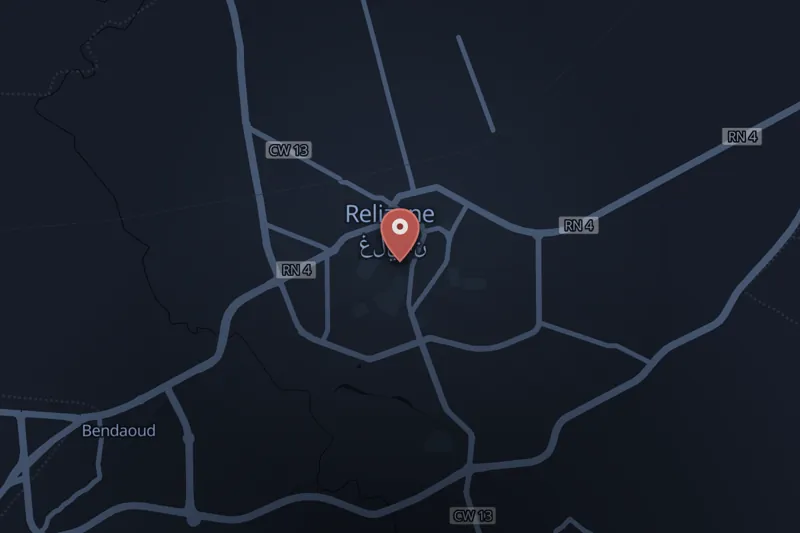
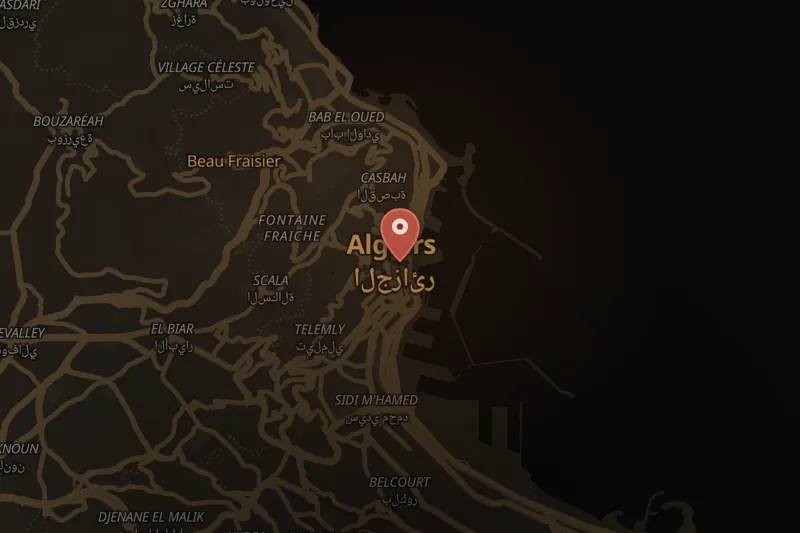
On 11 December 2007, two car bombs exploded roughly ten minutes apart, starting at around 9:30 a.m. local time, in Algiers, the capital of Algeria. Each device reportedly contained about 800 kg (1,700 lb) of explosives. The first explosion struck the Ben Aknoun district near the Supreme Constitutional Court. The second detonated on the road separating the offices of the United Nations from the offices of the United Nations High Commissioner for Refugees (UNHCR) in the Hydra neighborhood.
The United Nations building partially collapsed, with the destroyed section primarily housing the UN Development Programme (UNDP); the building also contained offices of the World Food Programme (WFP), the International Labour Organization (ILO), the UN Industrial Development Organization (UNIDO), the Joint UN Programme on HIV/AIDS (UNAIDS), the Department of Safety and Security (DSS), and the Population Fund (UNFPA). A UNHCR official described the UNHCR offices as having been leveled. The attack on the UN office is reported to have been a suicide bombing; it was not confirmed whether the Constitutional Court attack was also a suicide bombing.
According to Algerian Interior Minister Yazid Zerhouni, the bombings killed at least 31 people, including 17 United Nations employees — 14 Algerians, a Dane, a Filipino, and a Senegalese — as well as a Chinese construction worker. Hospital and rescue officials reported casualty figures roughly triple the government's official count, indicating a discrepancy in the death toll. At the time of reporting, many people remained unaccounted for, with UN spokeswoman Maria Okabe stating that some were possibly still trapped under rubble, and Jean Fabre, head of the UNDP's Geneva office, indicating search efforts for survivors were ongoing. Zerhouni reported 177 people injured in total.
Reporting attributed to CNN indicated the bombers used homemade nitroglycerin devices containing iron nails intended to increase casualties.
The al-Qaeda Organization in the Islamic Maghreb claimed responsibility for the attacks, describing them as "another successful conquest [...] carried out by the Knights of the Faith with their blood in defense of the wounded nation of Islam." The bombings were characterized as part of an ongoing Islamist insurgency continuing from the Algerian Civil War, a conflict that has claimed an estimated 200,000 lives.
The attack is described as having caused the third-highest staff casualties in United Nations history, after the 2003 Canal Hotel bombing in Baghdad and the 2010 Haiti earthquake. The United Nations Security Council held an official meeting the same day to condemn the attacks.

 SOLVEDListen