Overview
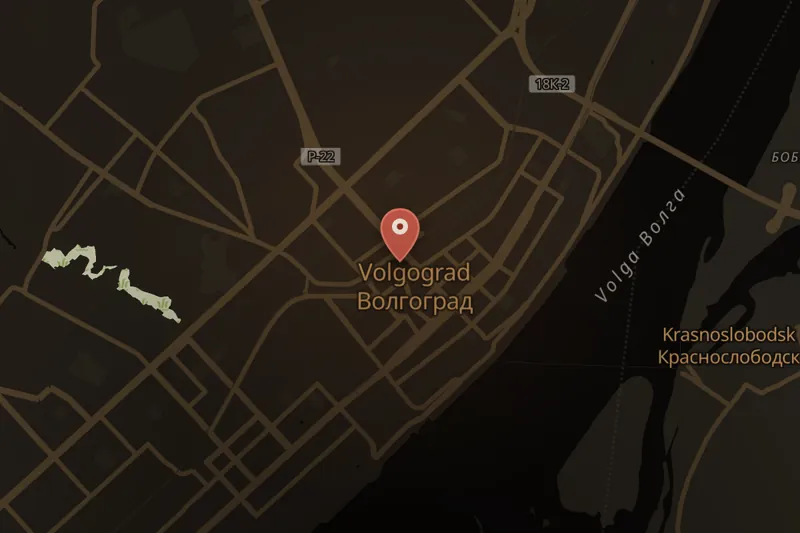
In late December 2013, the Russian city of Volgograd was struck by two suicide bombings within 24 hours of each other, targeting public transportation. The attacks killed 34 people in total, including the two bombers, and came about two months after a bus bombing in the same city.
The attacks
On 29 December 2013, a suicide bomb equivalent to 10 kilograms of TNT detonated near the metal detectors at the entrance of the Volgograd-1 railway station at approximately 12:45 Moscow time. The blast killed 18 people and injured at least 44, with 38 hospitalized. CCTV cameras captured the explosion. The identity of the bomber was initially disputed, with early reports naming a woman, Oksana Aslanova, and later reports naming a man named Pechenkin, who was reportedly cleared of involvement on 7 January 2014.
The following morning, 30 December 2013, at about 8:30 Moscow time, a second suicide bomber attacked a trolleybus (route 15A) in the Dzerzhinsky district as it passed a city market. The explosion, which appeared to originate at the back of the vehicle, killed 16 people and injured 41, with 27 hospitalized. The remains of the male bomber were sent for genetic testing.
An investigative committee spokesman said the explosives used in both attacks were identical, indicating the bombings were linked.
Claim of responsibility and investigation
On 19 January 2014, Vilayat Dagestan, a subgroup of the Caucasus Emirate led by Islamist militant Dokka Umarov, posted a statement and video online claiming responsibility. The video showed two men, identified as Suleiman and Abdurakhman, preparing explosives.
According to the official Russian investigation, the bombings were organized by a group called Kadarskaya, based in Dagestan and led by Dzhamaltin Mirzayev. Other alleged organizers included Yusup Yakhyayev, Nasrulla Temirkhanov, Arsen Dadayev, Alautdin Dadayev and Ibragim Magomedov. The suicide bombers were identified as Asker Samedov (train station) and Suleyman Magomedov (trolleybus). Two brothers, Magomednabi Bagirov and Tagir Bagirov, were said to have driven the bombers from Dagestan to Volgograd concealed in bales of hay, reportedly aware their passengers were linked to a terrorist cell but not of the specific bombing plot.
On 5 February 2014, Mirzayev, Temirkhanov, Yakhyayev and Arsen Dadayev were killed by law enforcement during a raid. Ibragim Magomedov was arrested in the same raid and testified against Alautdin Dadayev, who was arrested on 20 February 2014; weapons and explosive devices were found at his home.
Trial outcome
On 5 December 2014, Alautdin Dadayev and Ibragim Magomedov were convicted of participation in an illegal armed formation and aiding terrorist activity, and each sentenced to 19 years' imprisonment. The Bagirov brothers were convicted of aiding participants of illegal armed formations and each sentenced to 3 years and 10 months.
Reactions
Russian President Vladimir Putin visited Volgograd on 1 January 2014, laid flowers at the trolleybus attack site, visited hospitalized victims, and pledged continued action against terrorism. International bodies including NATO, the International Olympic Committee, and the governments of Chile, Israel, Colombia and the United States condemned the attacks and expressed condolences.


 Credit: Администрация Волгоградской областиCC BY-SA 3.0SourceSOLVEDListen