Overview
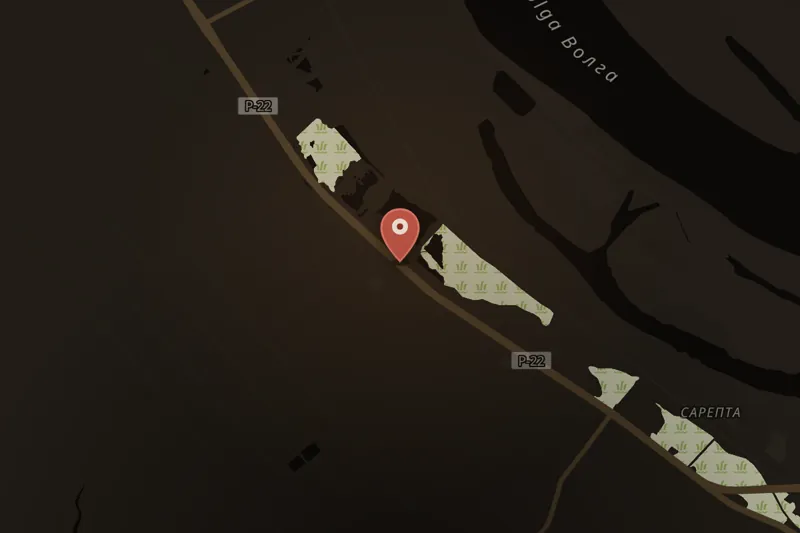
At approximately 14:01 on 21 October 2013, Naida Sirazhudinovna Asiyalova, a 30-year-old fugitive from the Republic of Dagestan, boarded a LiAZ-5256 bus in the Krasnoarmeysky district of Volgograd, Russia. The bus carried around 40 passengers, predominantly students returning from classes at Volgograd State University. Eyewitnesses reported Asiyalova sat toward the rear of the vehicle, wearing a green hijab, and remained calm and inconspicuous. After the bus made two further stops, she detonated an explosive belt at approximately 14:05, killing herself and seven others and injuring at least 41 people, several severely.
Investigation
No individual or organization claimed responsibility for the attack. Initial reports speculated the blast may have resulted from an unidentified explosive device or a gas leak, but eyewitness testimony and physical evidence quickly established it was a suicide bombing. An identity card recovered from the bus confirmed the bomber's identity, and within hours a spokesman for the Investigative Committee of Russia named her husband, Dmitry Sokolov, as a prime suspect.
The device consisted of two blocks of TNT weighing between 500 and 600 grams, two grenades (one of which failed to detonate), and additional metal shrapnel including screws and bolts. A second, unexploded grenade was later found beneath the bus. Investigators determined Asiyalova had purchased a bus ticket to Moscow that morning but disembarked in Volgograd, briefly entering a shopping centre before boarding the bus that was ultimately attacked. Investigators believe the attack may have originally been planned for a location in Moscow. Authorities in Volgograd Oblast declared three days of mourning beginning 22 October, and the People's Republic of China condemned the bombing that same day.
Perpetrators
Asiyalova, born in Dagestan's Gunibsky District in 1982, had reportedly become radicalized around 2010 after meeting Sokolov, an ethnic Russian convert to Islam, online. Her mother stated she had adopted the name Amaturahman as she embraced Islamic extremism. Asiyalova is reported to have suffered from a progressive, fatal bone disease affecting her jaw, which may have influenced her decision to become a suicide bomber.
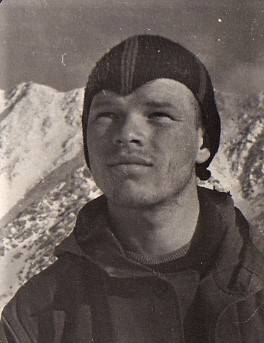
Sokolov, born in 1992 to an Orthodox Christian family, converted to Islam while studying in Moscow and later adopted the name Abdul Jabbar. He is reported to have become a prominent explosives expert after joining militants in Dagestan, and was linked to two earlier non-fatal explosions that injured 29 people. Sokolov had constructed the suicide belt used in the bombing.
Death of Dmitry Sokolov
On 15 November 2013, Russian security forces located Sokolov in a house near Makhachkala, Dagestan, alongside four other insurgents. During negotiations, Sokolov reportedly admitted constructing the suicide belt with his wife's willing participation. He and his fellow insurgents were killed in a gunfight with security forces on 16 November 2013; Russian forces reported no casualties.


 ONGOINGListen