
Solved case
Decree of War to the Death
In 1813, Simón Bolívar issued a decree in Trujillo, Venezuela, authorizing the killing of Spanish-born civilians who did not actively support South American independence, while granting amnesty to Americans regardless of prior collaboration with Spanish authorities — a policy that fueled mutual atrocities during the Venezuelan war of independence until it was formally ended in 1820.

The Decree of War to the Death (Decreto de Guerra a Muerte) was issued by South American independence leader Simón Bolívar on June 15, 1813, in the Venezuelan city of Trujillo. According to the text of the decree, it authorized the killing of civilians born in Spain who did not actively assist the South American independence movement, while granting a general pardon to Spaniards who joined the independence cause. The decree simultaneously exonerated Americans who had committed atrocities against Spanish civilians, and offered amnesty to Americans who had previously cooperated with Spanish colonial authorities, regardless of that prior collaboration.
The decree presented itself as a response to what it described as severe crimes and massacres committed by Spanish soldiers following the collapse of the First Republic of Venezuela. It alleged that Spanish leaders had stolen property, executed large numbers of Republicans, and violated prior treaties and capitulations, including a reference to the San Mateo Capitulation of 1812. The declaration framed these alleged Spanish atrocities as having contributed decisively to the defeat of the First Republic, and Bolívar characterized the new policy as an act of justice and necessity in response.
The decree distinguished between Peninsular Spaniards who actively supported independence and those who did not, aiming to spare the latter category only if they cooperated with the independence movement going forward. It also sought to redefine the conflict as an international war between Venezuela and Spain rather than a regional rebellion, elevating its status to a recognized struggle for sovereignty.
The policy known as the "Guerra a Muerte" was practiced by both sides during the conflict, and resulted in documented brutalities from both the independence forces and royalist forces. Sourced examples include the execution of Spanish prisoners in Caracas and La Guaira in February 1814, carried out on Bolívar's own orders shortly before the collapse of the Second Republic of Venezuela, and the killing of prominent citizens in New Granada by royalist forces under Pablo Morillo during 1815, 1816, and 1817.
The decree remained formally in effect until November 26, 1820, when Bolívar and Spanish General Pablo Morillo met at Santa Ana de Trujillo and agreed to conduct the ongoing war of independence as a conventional war going forward, effectively ending the sanctioned policy of extermination against civilians on the basis of birthplace.
Key facts
- Victims
- On file
- Date
- 1812
- Location
- Trujillo, Venezuela
- Case status
- solved
Case timeline
1812
San Mateo Capitulation referenced in the decree as an example of a treaty later violated by Spanish forces.
1813-06-15
Simón Bolívar promulgates the Decree of War to the Death in Trujillo, Venezuela.
1814-02
Execution of Spanish prisoners in Caracas and La Guaira, carried out on Bolívar's orders, shortly before the collapse of the Second Republic of Venezuela.
1815
Killing of renowned citizens in New Granada by royalist forces under Pablo Morillo.
1816
Continued killing of renowned citizens in New Granada by royalist forces under Pablo Morillo.
1817
Continued killing of renowned citizens in New Granada by royalist forces under Pablo Morillo.
1820-11-26
Bolívar and General Pablo Morillo meet at Santa Ana de Trujillo and declare the war of independence a conventional war, ending the formal policy of the decree.
Best coverage
No coverage has been attached to this file yet.
People
Pablo Morillo
LAW ENFORCEMENTSpanish royalist general whose forces killed prominent citizens in New Granada during 1815-1817, and who later met with Bolívar in 1820 to end the war-to-the-death policy.
Simón Bolívar
LAW ENFORCEMENTSouth American independence leader who issued and enforced the Decree of War to the Death, including ordering the execution of Spanish prisoners in Caracas and La Guaira in February 1814.
Roles reflect public records and court outcomes at the time of writing — supporting citations are on file under Sources.
Places
Common questions
- What happened to the victim?
- In 1813, Simón Bolívar issued a decree in Trujillo, Venezuela, authorizing the killing of Spanish-born civilians who did not actively support South American independence, while granting amnesty to Americans regardless of prior collaboration with Spanish authorities — a policy that fueled mutual atrocities during the Venezuelan war of independence until it was formally ended in 1820.
- Where did the crime happen?
- Trujillo, Venezuela.
- What is the current status of the case?
- Status: solved.
Related cases
View all cases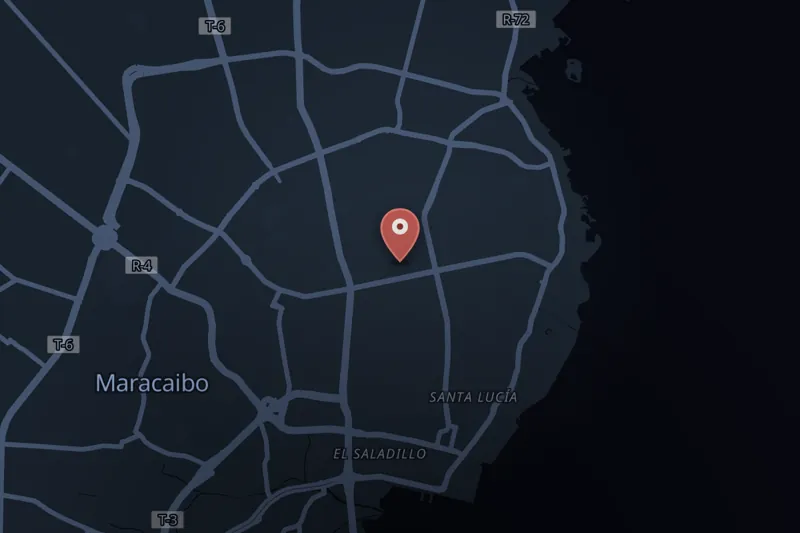
1994 Sabaneta fire
Sabaneta prison, Maracaibo, Venezuela

Fort Mims Massacre
Fort Mims site, near Mobile, Alabama

Appin Massacre
Appin, near Cataract River, South Western Sydney

Llaguno Overpass events
Llaguno Overpass, near Miraflores Palace, Caracas, Venezuela

1998 Cúa hostage crisis
Cúa, Miranda, Venezuela
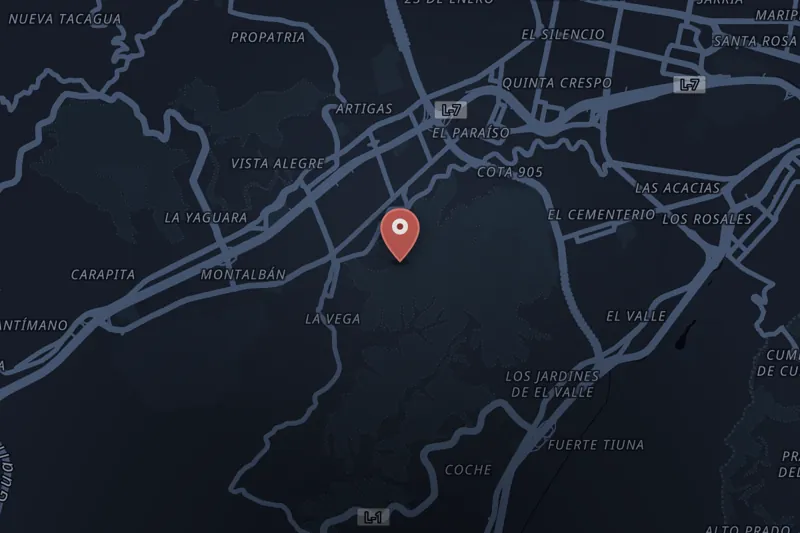
La Vega raid
La Vega Parish, Caracas, Venezuela
Sources
- ENCYCLOPEDICDecree of War to the DeathWikipedia · 2026-07-10
- PRESSContemporaneous coverage — archivodellibertador.gob.vearchivodellibertador.gob.ve · 2026-07-10
- PRESSContemporaneous coverage — tandfonline.comtandfonline.com · 2026-07-10
When a file you follow changes — a new development, a correction, fresh coverage — the Dispatch is how you hear about it.
The Casepin Dispatch
A calm weekly briefing from the archive — one case worth understanding, meaningful updates to files you follow, and the best new coverage. You’ll also get the one-time note when the apps land. No gore, no rumor, no drip.