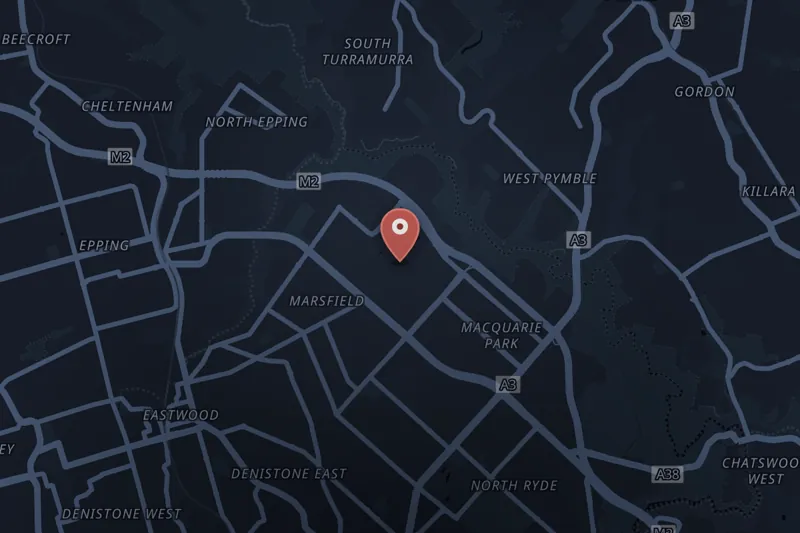
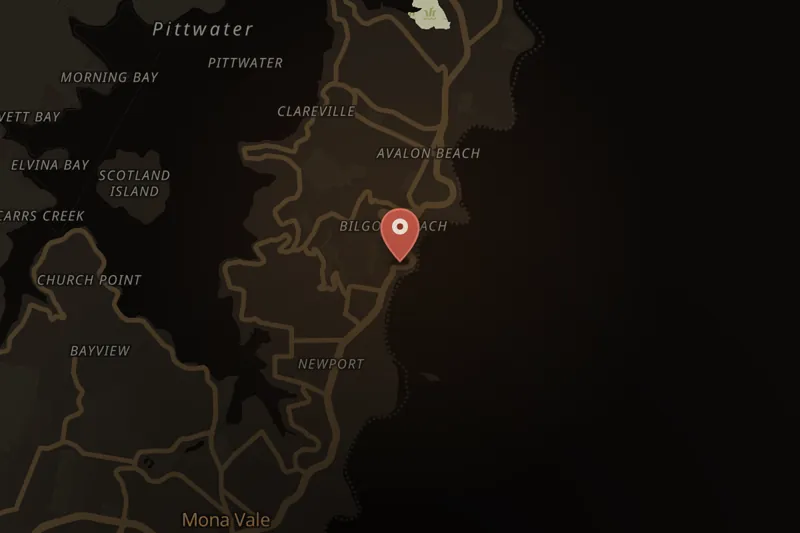
Trudie Jeanette Adams disappeared in the early hours of 25 June 1978 after attending a dance at the Newport Surf Life Saving Club, New South Wales, Australia. She left the event early and began hitchhiking home, entering a vehicle on Barrenjoey Road. She has not been seen since. Her disappearance triggered what was, at the time, New South Wales' largest missing person search, drew extensive and ongoing national media attention, and eventually led to a $250,000 reward for information.
Adams' parents and her ex-boyfriend, Steven Norris, reported her missing on 25 June 1978 after she failed to arrive home from the dance. Police initially believed the vehicle she entered was a green Kombi van, but Norris, the main eyewitness, stated he saw her enter a light-coloured 1977 Holden panel van. Norris was initially treated with suspicion by investigators but was eventually cleared, after which police attention widened to individuals connected to the local drug scene.
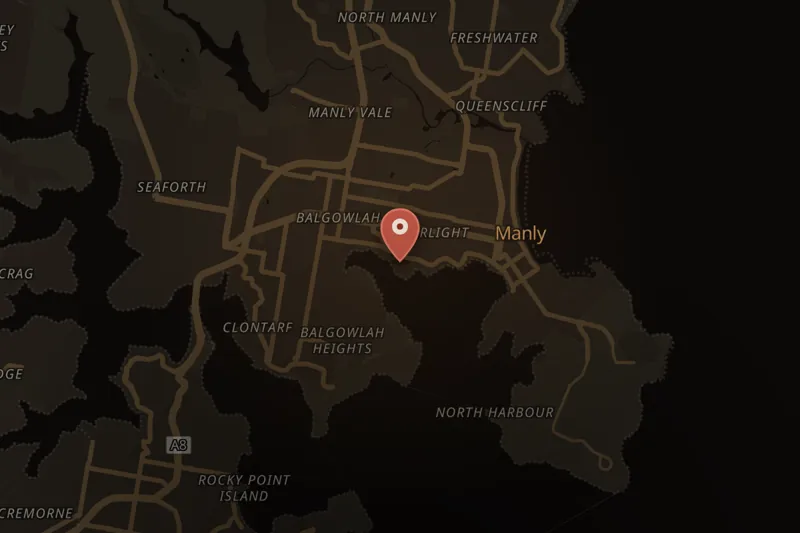
In the days following Adams' disappearance, a number of female rape victims — who had been assaulted by two disguised men — began reporting a series of previously unknown crimes to police. Investigators came to suspect that Adams' disappearance was linked to 14 known violent rapes that had occurred in Sydney's Northern Beaches area between 1971 and 1978, and possibly to an attempted attack on another hitchhiker earlier on the same evening Adams disappeared. On 16 August 1978, the New South Wales government offered a $20,000 reward. Over subsequent decades, Adams' suspected murder was investigated by police on four separate occasions.
The case was reopened in 1992 amid renewed interest in the possible involvement of a green Kombi van. In 2008, the reward was increased to $250,000 for information leading to a conviction. In 2009, the case's prime suspect — a convicted drug dealer and sex offender named Neville Brian Tween, who was identified by some of the rape victims and had also served as a police informant — was interviewed by police about Adams' disappearance for the first time. Tween denied any involvement in either the disappearance or the rape cases despite circumstantial evidence connecting him to the crimes; he died in 2013.
In 2011, a coronial inquest was held into Adams' disappearance, with the Coroner ultimately finding that she died as a result of "homicide or misadventure." Interest in the case was reignited in 2018 following the release of the second series of the Australian crime podcast Unravel and the associated television documentary Barrenjoey Road, prompting a number of previously unreported crimes and previously unknown victims to come forward.

 SOLVEDListen