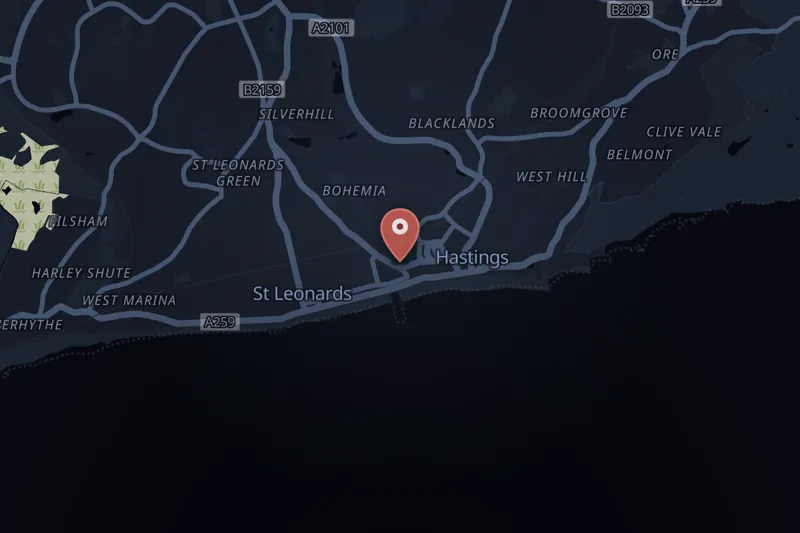
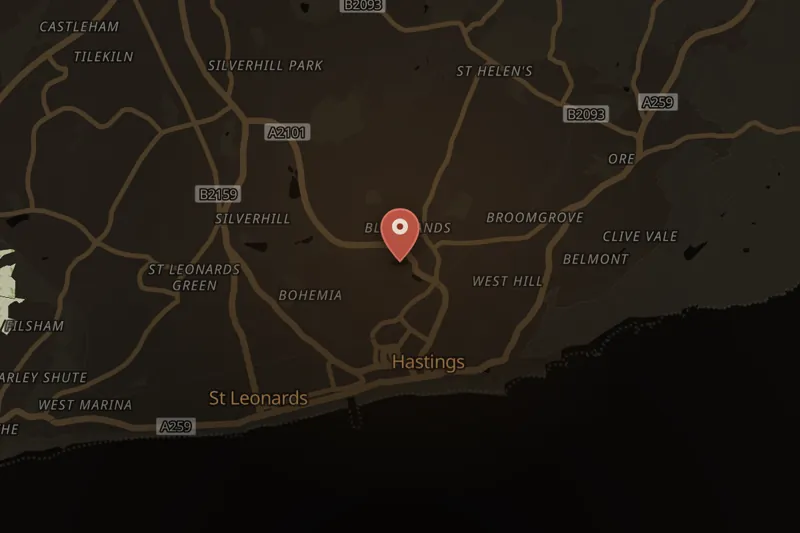
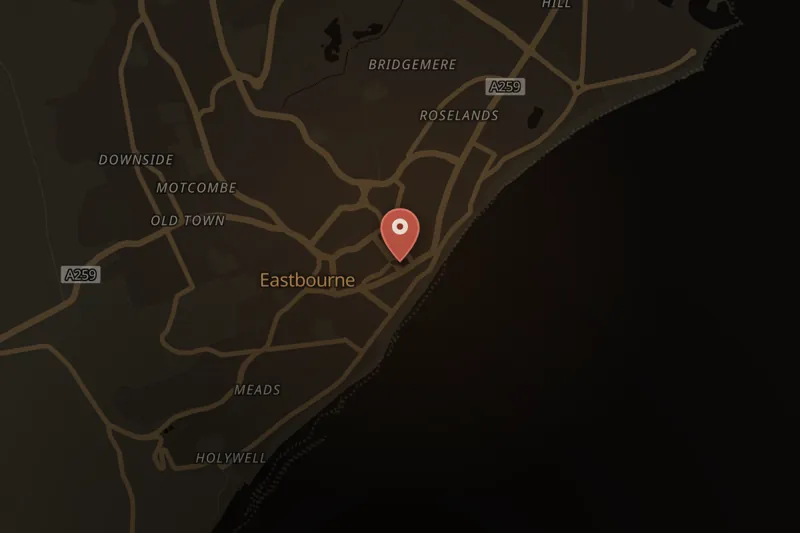
In October 1859, Thomas Hopley, a private schoolmaster in Eastbourne, Sussex, was engaged to teach Reginald Channell Cancellor, a boy who had reportedly been "given up as ineducable" by previous tutors. Hopley attributed the boy's learning difficulties to stubbornness rather than any cognitive or medical condition. On 18 April 1860, Hopley wrote to Cancellor's father seeking permission to use "severe corporal punishment," which was granted two days later. Lacking a traditional cane, Hopley used a skipping rope and a walking stick to beat the boy.
Cancellor was found dead in his bedroom on the morning of 22 April 1860, his body covered with stockings and gloves concealing all but his face. A doctor acquainted with Hopley initially attributed the death to natural causes, and Hopley urged immediate burial. Suspicions arose among household servants, who alleged that Hopley's wife had spent the night before the discovery cleaning up evidence of a beating. Cancellor's brother, arriving from Surrey, noticed inconsistencies in the accounts given and requested a formal autopsy. That examination, conducted by Robert Willis, found the boy's thighs "reduced to a perfect jelly," with deep wounds and bruising, while his internal organs were otherwise healthy — contradicting claims of natural death. A servant, Ellen Fowler, testified to hearing prolonged screaming and beating on the night in question.
Hopley was arrested in early May 1860 and released on bail pending trial. He was tried for manslaughter at Lewes Assizes on 23 July 1860 before Sir Alexander Cockburn, Chief Justice of the Queen's Bench. Hopley maintained that his actions were a justified application of educational discipline, invoking the philosophy of John Locke regarding correction of extreme obstinacy. The prosecution presented medical testimony from Willis and testimony from Sir Charles Locock, an obstetrician who had examined the body and considered Hopley's conduct highly suspicious. The defence, conducted by William Ballantine, has been described as flawed; key witnesses who might have supported Hopley, including a fellow pupil and a second examining physician, were not called.
The jury convicted Hopley of manslaughter rather than murder, reflecting his position of delegated parental authority as a schoolmaster. Cockburn's ruling established that corporal punishment by a parent or schoolmaster must be "moderate and reasonable," and that punishment administered in anger, excessively, or with an unsuitable instrument that endangers life could render the person responsible for manslaughter if death resulted. Hopley was sentenced to four years of penal servitude, served at Portsea and Chatham prisons.
Following his release, Hopley's wife Fanny pursued a divorce, alleging cruelty; a jury found him guilty of cruelty in 1864, but the judge ruled her case insufficient for divorce because she was found to have condoned his conduct. Hopley later worked as a private tutor and published on spiritualism before his death in 1876. The case, R v Hopley, became a foundational legal precedent in English law regarding the limits of corporal punishment in schools, frequently cited in legal commentary until physical discipline was later banned in British schools.

 SOLVEDListen