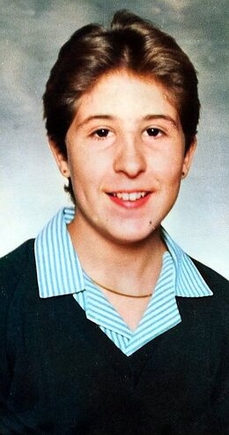
Start here
One Day In February: The Murder Of Billie-Jo Jenkins

Truly Criminal's 56-minute breakdown, the fullest single telling on file.
Watch on YouTubeBefore you continue
This case involves crimes against children. Casepin presents the record in neutral, non-graphic language. Choose whether to continue.
Unsolved case · 1997
Also known as Billie-Jo Jenkins's murder · Billie-Jo Jenkins's killing
The short answer
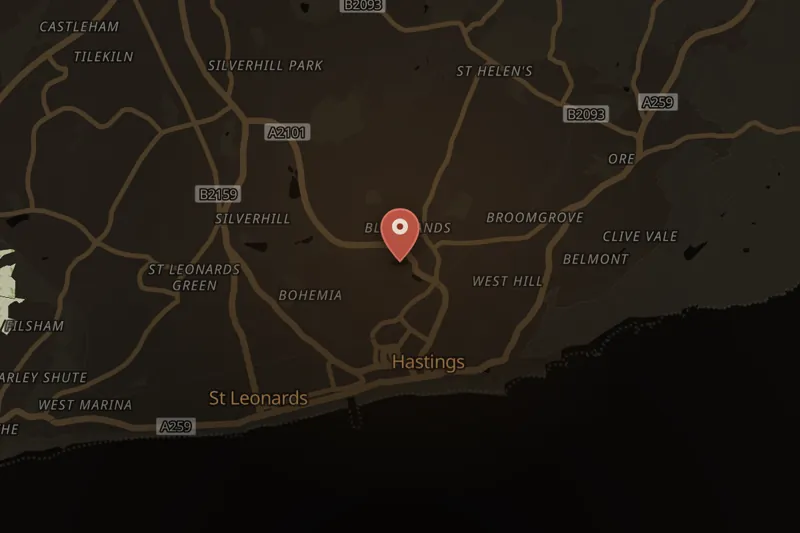
Thirteen-year-old Billie-Jo Jenkins was beaten to death with an iron tent peg at her foster family's home in Hastings, England, in February 1997. Her foster father was convicted, then acquitted after two retrials ended without a verdict, and the case remains legally unsolved.
Start hereOne Day In February: The Murder Of Billie-Jo JenkinsTruly Criminal · 56 minThe coverage index
1 piece from 1 creator: ranked, with duplicates removed and short clips set aside.
Start here
Video · YouTube · 56 min · 2024
Truly Criminal's 56-minute breakdown, the fullest single telling on file.
Watch on YouTubeTitles and descriptions are the creators’ own and may not reflect current legal status. The sourced facts are in the file below. Players load only when you press play. Suggest coverage we’re missing.
The case file
Billie-Jo Margaret Jenkins (29 March 1983 – 15 February 1997) was killed at 48 Lower Park Road, Hastings, East Sussex, on 15 February 1997. She had been placed in foster care from age nine with Siôn and Lois Jenkins, who already had four daughters, and had lived with the family for five years. She was described as "fun-loving" and hoped to become an actor.
On the day of the killing, Billie-Jo had stayed home to paint the patio doors while her foster father drove two of his daughters to a clarinet lesson and later to a DIY store. Her body was found in the back garden shortly after his return; she had been struck five times with an iron tent peg that had been left on the patio, and died within minutes.
Siôn Jenkins, the last adult to see her alive and the first to find her body, came under suspicion, including from his wife, and was arrested on 24 February 1997 and charged with murder on 14 March 1997. Investigators cited 158 microscopic bloodstains on his clothing, described by prosecution forensic witnesses as impact spatter consistent with his being the attacker, along with what police characterised as inconsistent accounts and unusual behaviour after the discovery of the body. He was convicted by unanimous jury verdict on 2 July 1998 and sentenced to life imprisonment. A related charge of obtaining pecuniary advantage by deception, concerning fabricated qualifications on his job application, was left to lie on file.
A 1999 appeal, arguing the bloodstains could have come from Billie-Jo exhaling as she died, was dismissed. The Criminal Cases Review Commission later heard fresh evidence about a rare condition potentially causing involuntary exhalation of blood, and referred the case to the Court of Appeal, which in 2004 ruled the conviction unsafe and ordered a retrial. Jenkins was released on bail. A 2005 retrial jury failed to reach a majority verdict after 39 hours of deliberation, prompting a second retrial. That jury likewise failed to reach a verdict after three months of evidence, and on 9 February 2006 Jenkins was formally acquitted at the Old Bailey, becoming the first person in British criminal history acquitted after three trials for the same offence. The Crown Prosecution Service said no further retrial would be pursued.
The acquittal was controversial: jurors in the final trial did not hear evidence from Jenkins's former wife describing him as violent toward her and the children, and the trial judge excluded new forensic evidence indicating the bloodstains on his clothing contained fragments of Billie-Jo's bone, flesh, and metal from the tent peg, ruled inadmissible as it was introduced too late for the defence to respond. Billie-Jo's biological family have maintained that Jenkins is guilty. Jenkins was denied compensation in 2008 on the grounds that there was no evidence conclusively proving his innocence. Sussex Police have stated there are no plans to reopen the murder investigation, though a forensic review of evidence was announced on 31 January 2022. The case remains unsolved and is regarded as one of Britain's most high-profile unresolved murders.
11 dated entries · 1983–2022
Billie-Jo Margaret Jenkins is born.
Billie-Jo Jenkins is found beaten to death in the back garden of the Jenkins family home in Hastings, East Sussex.
Siôn Jenkins, her foster father, is arrested on suspicion of murder.
Siôn Jenkins is charged with murder.
Siôn Jenkins is convicted of murder by unanimous jury verdict and sentenced to life imprisonment.
Siôn Jenkins's first appeal is dismissed.
The Court of Appeal, following a CCRC referral, rules the conviction unsafe and orders a retrial; Jenkins is released on bail.
First retrial jury fails to reach a majority verdict after 39 hours of deliberation.
Second retrial jury fails to reach a verdict; Siôn Jenkins is formally acquitted at the Old Bailey.
Siôn Jenkins's application for compensation for his imprisonment is rejected.
Sussex Police announce a forensic review of the case, while stating the wider investigation remains closed.
2 named in this file
Victims first. Every legal label is set from public records and court outcomes, not from the prose.
13-year-old girl killed at her foster family's home in Hastings on 15 February 1997.[3]
Foster father of Billie-Jo Jenkins; convicted of her murder in 1998, conviction later ruled unsafe, and formally acquitted in 2006 after two retrials failed to reach a verdict. A separate charge of obtaining pecuniary advantage by deception was left to lie on file.[3]
3 cited
Coverage is not a source: every fact in this file rests on the records below.
PressBBC NewsAccessed Jul 5, 2026
PressThe IndependentAccessed Jul 5, 2026
EncyclopedicWikipediaAccessed Jul 5, 2026
Trust
Are you family of someone named in this file? Corrections and removal requests from victims’ families are prioritized.
Near this case
 SOLVEDListen
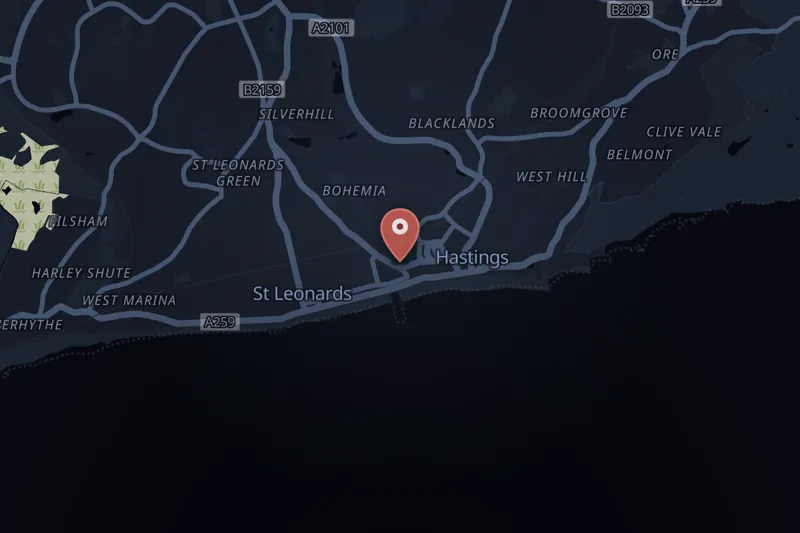
Hastings, East Sussex, England · 1990s
Jason Martin-Smith, an English man reported missing in 2001, was murdered in Hastings after informing police about a pawnbroker robbery; the case went unsolved for 14 years until Mark Searle was convicted of his murder in 2015.
 SOLVEDListen
Western Road, St Leonards-on-Sea, East Sussex, England · 1990s
James Ashley, 39, was shot dead by an armed Sussex Police officer while unarmed and naked in his flat during a mistaken pre-dawn raid in January 1998; the officer was later acquitted of murder on grounds of self-defence, and the family's civil case reached the House of Lords.
 SOLVEDListen
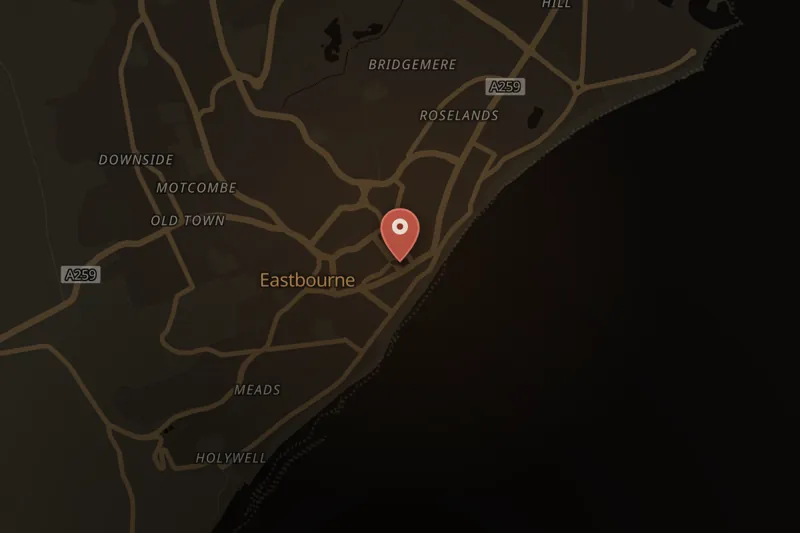
22 Grand Parade, Eastbourne, Sussex, England · 1860s
In 1860, Eastbourne schoolmaster Thomas Hopley beat his 15-year-old pupil Reginald Cancellor to death while attempting to correct perceived "stubbornness," leading to a landmark manslaughter conviction that shaped UK law on corporal punishment.
Robin Hood Hills, West Memphis, Arkansas · 1990s
Three eight-year-old boys were found murdered in West Memphis, Arkansas, in 1993; three teenagers were convicted the following year in a case marked by disputed evidence, allegations of coerced confession, and claims of a Satanic motive, and were released in 2011 after entering Alford pleas.
 Credit: Photo by Calvin Beale, as an employee of the Economic Research Service, part of the…·Public domain·SourceSOLVEDListen
Madison, Jefferson County, Indiana · 1992
In January 1992, twelve-year-old Shanda Sharer was abducted and killed in southern Indiana by four teenage girls, all charged as adults; each pleaded guilty and received prison sentences.
 Credit: en:User:Paul.h·Public domain·SourceSOLVEDListen
Petaluma, California, United States · 1993
Polly Hannah Klaas, a 12-year-old girl, was abducted at knifepoint from her home in Petaluma, California, on October 1, 1993, and later found murdered. Richard Allen Davis was convicted of first-degree murder in 1996 and sentenced to death.
Also covered by
Alley off London Road, Greenhithe, Kent, UK · 1993
Sixteen-year-old Claire Tiltman was fatally stabbed in an alley in Greenhithe, Kent, on 18 January 1993 while walking to a friend's house. The case went unsolved for over two decades until Colin Ash-Smith, already convicted of two similar knife attacks in the area, was convicted of her murder in December 2014.
 Credit: Lorenzen_Wright.JPG : Original uploader was Nick81aku at en.wikipedia derivative work:…·Public domain·SourceSOLVEDListen
Collierville, Tennessee, United States · 2010
Lorenzen Wright, a former NBA player, went missing from Collierville, Tennessee, in July 2010 and was found shot to death days later. Seven years afterward, his ex-wife Sherra Wright-Robinson pleaded guilty to facilitating his murder, and her friend Billy Ray Turner was convicted of carrying it out.
.jpg) Image record·Editorial use·SourceSOLVEDListen
Image record·Editorial use·SourceSOLVEDListenRangely Avenue, West Hollywood, California · 1982
Actress Dominique Dunne, 22, was strangled outside her West Hollywood home on October 30, 1982, by her ex-boyfriend John Thomas Sweeney; she died five days later after being taken off life support. Sweeney was convicted of voluntary manslaughter and misdemeanor assault, and served two and a half years of a six-and-a-half-year sentence.
 SOLVEDListen
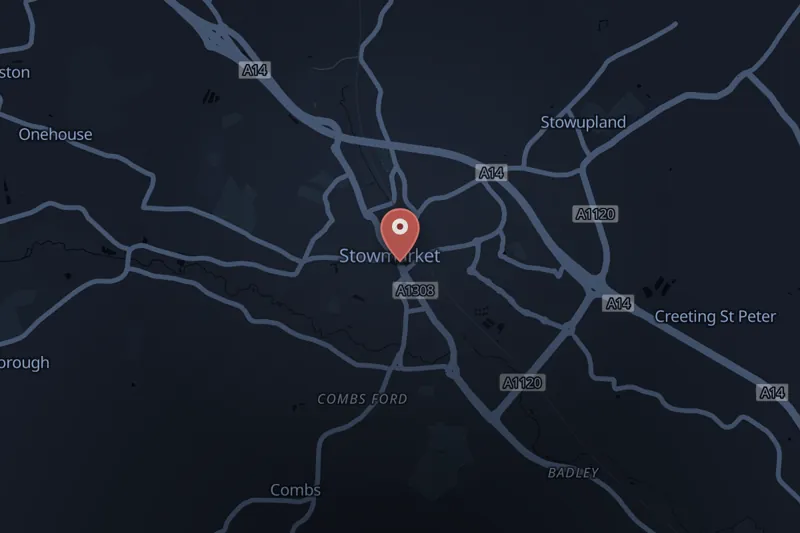
The Brickfields, Stowmarket, Suffolk, UK · 2017
In December 2017, former UKIP councillor Stephen Anthony Searle murdered his wife Anne Searle at their home in Stowmarket, Suffolk, after she discovered his affair with his son's girlfriend. He was convicted of murder in July 2018 and sentenced to life imprisonment with a minimum of 14 years.