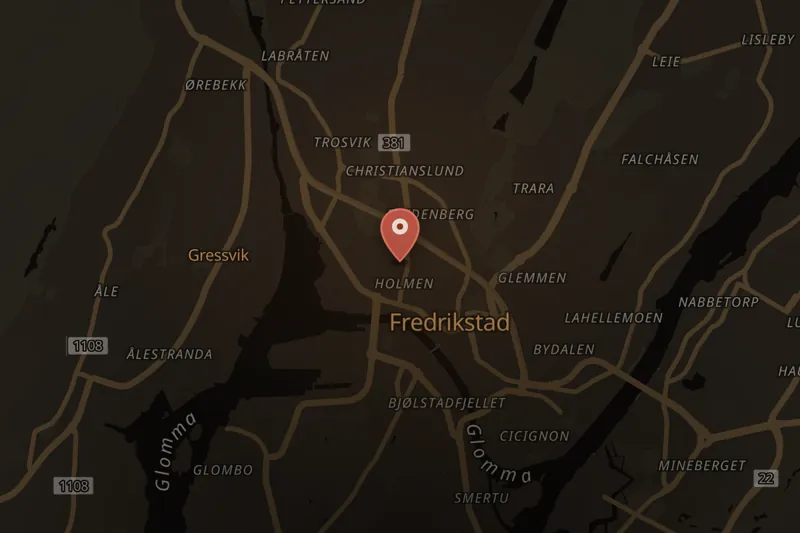
In October 1942, amid the deportation and persecution of Jews from Nazi-occupied Norway, Rakel and Jacob Feldmann attempted to escape to neutral Sweden. Their decision followed a violent incident days earlier in which their foster son, Hermann Feldmann, and another Jewish refugee, Willy Schermann, along with a border guide, Karsten Løvestad, were confronted on a train by a Norwegian Nazi policeman, Arne Hvam. Løvestad shot Hvam, and the three jumped from the moving train; they were later captured after a large manhunt. Feldmann, Schermann, and other Jewish refugees involved were murdered at Auschwitz in August 1943, and Løvestad was executed in September 1943 following a tribunal at which he had no defense counsel. Nazi authorities used the shooting of Hvam for propaganda purposes, portraying it as an unprovoked murder and holding a high-profile funeral for him.
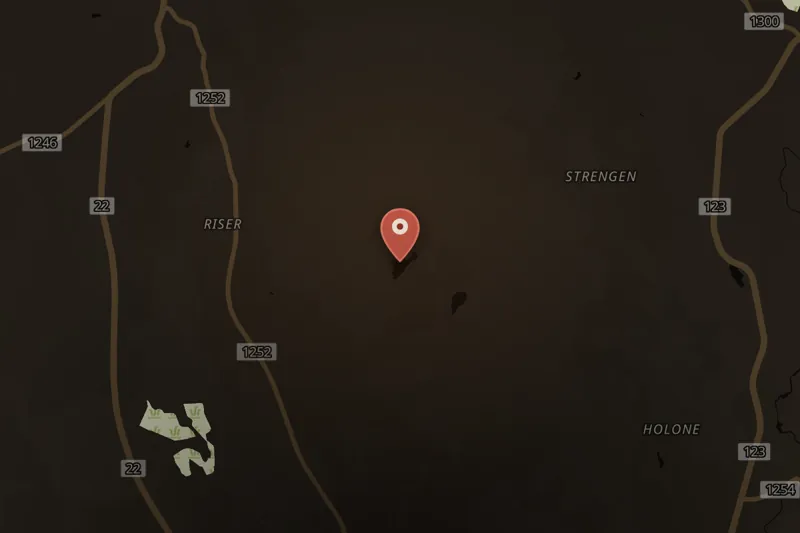
Unsettled by the publicity surrounding this incident, Rakel and Jacob Feldmann sought their own escape route. On October 23, 1942, they arrived at the farm of the Løvestad family in Trøgstad seeking shelter and help crossing into Sweden, a request that placed the sheltering family at considerable risk given ongoing police searches in the area. The couple remained hidden for several days. On October 27, 1942, two border guides, Peder Pedersen and Håkon Løvestad, agreed to guide them across the border on a planned two-day hike, and the couple borrowed clothing and footwear for the journey. When the group of four reached Skrikerudtjernet, the guides killed the couple by clubbing them, took their money, and sank their bodies in the lake using weights. Håkon Løvestad then fled to Sweden wearing Jacob Feldmann's gold watch, while Peder Pedersen returned home and continued to guide refugees, including Jews, across the border.
The bodies of Rakel and Jacob Feldmann eventually surfaced and were discovered, leading to an investigation and the prosecution of Peder Pedersen and Håkon Løvestad. The case went to trial in 1947. Neither defendant denied killing the couple or taking their money; their defense was that the Feldmanns were elderly and overweight, unable to manage the long walk to the border, and that keeping them alive risked their discovery and the exposure of the wider escape network, endangering many other lives. The jury acquitted the two men of culpability for the killing but convicted them of embezzling the couple's money, amounting to NOK 12,000, and their possessions.
The verdict prompted public debate. Oskar Hasselknippe, editor of the newspaper Verdens Gang, defended the verdict by emphasizing the difficult choices imposed by wartime conditions, questioning whether critic Leo Eitinger could understand such circumstances given where he had spent the war. Eitinger, who had been imprisoned at Auschwitz, replied accordingly. The case was later dramatized in Sigurd Senje's nonfiction narrative "Ekko fra Skriktjenn" and adapted into the 1987 Norwegian film "Over grensen" (also known as "Feldmann saken"), directed by Bente Erichsen.

 SOLVEDListen