Active case
Forrest River massacre

In 1926, Leopold Overheu and Frederick Hay jointly held the Nulla Nulla pastoral property near Wyndham, Western Australia, bordering the Forrest River Aboriginal Mission run by Reverend Ernest Gribble. Hay had a history of assaulting and sexually abusing Aboriginal women, and he and Overheu had complained about Aboriginal people spearing their cattle. On 18 May 1926, Overheu made a formal complaint prompting Constable James St Jack to investigate. St Jack's patrol attacked an Aboriginal ceremonial gathering at Durragee Hill on 24 May 1926; survivors later described people being beaten, shot, and in some accounts pushed from a cliff, though St Jack and Overheu claimed only dogs were shot.
On 23 May 1926, Hay attacked and raped an Aboriginal woman, Anulgoo, in front of her husband Lumbia at Johnson Billabong. When Hay attempted to ride off, Lumbia fatally stabbed him with a spear. Hay's body was found badly decomposed days later, and authorities initially believed a group of Aboriginal people, rather than Lumbia alone, was responsible.
A larger punitive expedition, including constables St Jack and Denis Regan, special constables, settlers, and Aboriginal trackers, set out from Wyndham and combined forces on 5 June 1926. Over the following weeks the patrol rounded up and killed Aboriginal captives at several sites, including Gotegotemerrie, Mowerie, "Police Camp No. 3," and Dala, burning the remains in makeshift ovens and bonfires and disposing of ashes and bone fragments in waterholes. Lumbia was eventually captured on 1 July 1926 near the Lyne River.
Reports of killings reached Gribble and Wyndham authorities during and after the expedition. Investigations by Inspector E. C. Mitchell and Inspector William Douglas in August 1926 recovered burnt human remains, including teeth and bone fragments, at multiple sites. Douglas's report to the police commissioner stated that sixteen Aboriginal people were burned in three separate incidents. This led to the 1927 Wood Royal Commission, chaired by George Tuttle Wood, which found that 11 people had been murdered and burned at Gotegotemerrie, Mowerie, and Dala, with a further nine killed at Police Camp No. 3. The Commission noted witness disappearances and unreliable testimony from patrol members.
On the Commission's recommendation, St Jack and Regan were arrested and charged with the murder of a victim named Boondung at Dala in May 1927. A preliminary hearing before Magistrate Alfred Kidson dismissed the case as insufficient for a jury, and the case never went to trial. Both constables were reinstated and later transferred elsewhere in the police force.
Lumbia was separately tried and convicted for killing Hay in October 1926, sentenced to death, and later had his sentence commuted to life imprisonment. Estimates of the total number of Aboriginal victims of the punitive expedition vary widely, from the Royal Commission's finding of around 20 to unverified claims of up to several hundred. Denials that the massacre occurred persisted among some commentators into the early 2000s, despite official investigative findings.

Key facts
- Victims
- Bungomerrie, Boondung, Gumbol, Frederick Hay, Umbillie, Blui-Nua, Newringie
- Date
- 1926
- Location
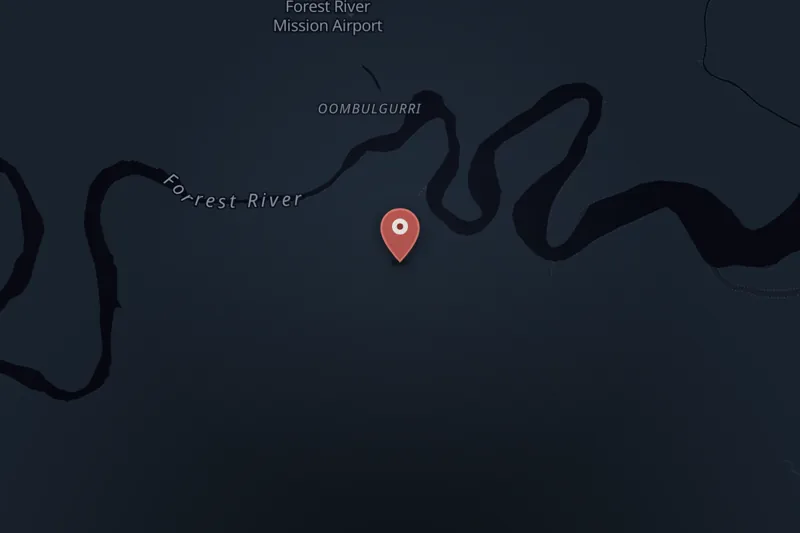
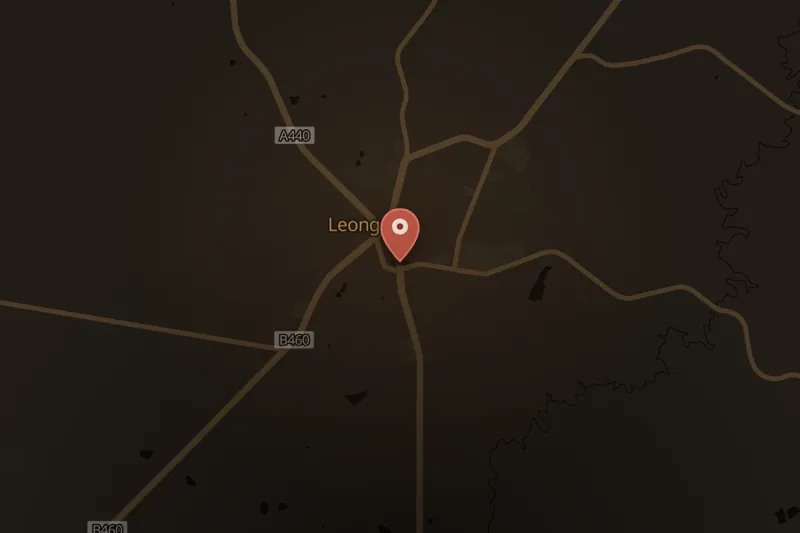
- Forrest River region, Kimberley, Western Australia
- Case status
- unsolved
Case timeline
1924
Frederick Hay seriously injured an Aboriginal man by hitting him with his rifle butt.
1926-05-18
Leopold Overheu made a formal complaint about cattle spearing, prompting a police investigation.
1926-05-24
Constable St Jack's patrol attacked an Aboriginal gathering at Durragee Hill.
1926-05-23
Frederick Hay attacked and raped Anulgoo; Lumbia fatally stabbed Hay in response.
1926-06-01
Constable Regan's patrol left Wyndham as part of the punitive expedition.
1926-06-05
Regan's and St Jack's patrols combined at Jowa on the Forrest River.
1926-06-06
Patrol arrived at Wodgil; captives later killed at Gotegotemerrie and Mowerie.
1926-06-10
Patrol moved to Police Camp No. 3, where nine Aboriginal people were killed and burned.
1926-06-19
Daniel Murnane arrived in Wyndham and gave initial reports about the punitive expedition.
1926-06-24
Sergeant Arthur Buckland arrived at the Forrest River mission to recall the patrol.
1926-06-27
Patrol captured and killed four Aboriginal people at Dala, including Boondung.
1926-07-01
Patrol captured Lumbia near the Lyne River.
1926-08-03
Inquest into Hay's death held in Wyndham.
1926-08-12
Gribble and Inspector E. C. Mitchell visited massacre sites at Mowerie and Gotegotemerrie.
1926-10-28
Lumbia tried and found guilty of Hay's killing; sentenced to death, later commuted to life imprisonment.
1927-05
St Jack and Regan arrested and charged with the murder of Boondung.
1927
Wood Royal Commission concluded that 11 people were murdered and burned at Gotegotemerrie, Mowerie and Dala, with nine more killed at Police Camp No. 3.
1944-12
Lumbia killed his second wife, Waldjanurri, and was again sentenced to death.
1950
Lumbia died at Forrest River after contracting leprosy.
Best coverage
No approved coverage links are attached yet.
People
Bungomerrie
VICTIMAboriginal person captured and killed at Dala on 27 June 1926.
Boondung
VICTIMAboriginal person killed and burned at Dala; subject of the murder charge against St Jack and Regan.
Denis Regan
CHARGEDWestern Australia Police constable charged with the murder of Boondung in May 1927; case dismissed at preliminary hearing.
Gumbol
VICTIMAboriginal person captured and killed at Dala on 27 June 1926.
William Douglas
LAW ENFORCEMENTKimberley regional police inspector who investigated massacre sites in 1926 and found human remains.
Lumbia
CONVICTEDAboriginal man convicted in October 1926 of killing Frederick Hay; sentenced to death, later commuted to life imprisonment.
Frederick Hay
VICTIMPastoralist killed by Lumbia on 23 May 1926 after attacking and raping Lumbia's wife.
Umbillie
VICTIMAboriginal man reported killed during the attack at Durragee Hill on 24 May 1926.
George Tuttle Wood
LAW ENFORCEMENTCommissioner who oversaw the 1927 Royal Commission into the killings, concluding 11 people had been murdered and burned.
James St Jack
CHARGEDWestern Australia Police constable charged with the murder of Boondung in May 1927; case dismissed at preliminary hearing.
Blui-Nua
VICTIMAboriginal man reported killed during the attack at Durragee Hill on 24 May 1926.
Ernest Gribble
LAW ENFORCEMENTReverend who ran the Forrest River Aboriginal Mission and reported the killings to authorities, later helping the Royal Commission investigation.
Newringie
VICTIMAboriginal person captured and killed at Dala on 27 June 1926.
Roles reflect public records and court outcomes at the time of writing — supporting citations are on file under Sources.
Places
Common questions
- What happened to the victim?
- In June 1926, a punitive police expedition in the Kimberley region of Western Australia killed a number of Aboriginal people in the wake of the killing of pastoralist Frederick Hay, with a Royal Commission later finding 11 people were murdered and burned, though no one was ever convicted.
- Where did the massacre happen?
- Forrest River region, Kimberley, Western Australia.
- Who was convicted?
- Lumbia (Aboriginal man convicted in October 1926 of killing Frederick Hay; sentenced to death, later commuted to life imprisonment.).
- What is the current status of the case?
- Status: unsolved.
Sources
- Forrest River massacrewikipedia · Wikipedia · 2026-07-07
- Contemporaneous coverage — nla.gov.aunews · nla.gov.au · 2026-07-07
- Contemporaneous coverage — AustLIInews · AustLII · 2026-07-07