Skip to content
Casepin

Solved case · 1995

Freddy's Fashion Mart attack

Also known as Freddie's Fashion Mart attack · Freddy Fashion Mart

SOLVEDCHARGED
Updated
Updated Jul 13, 2026
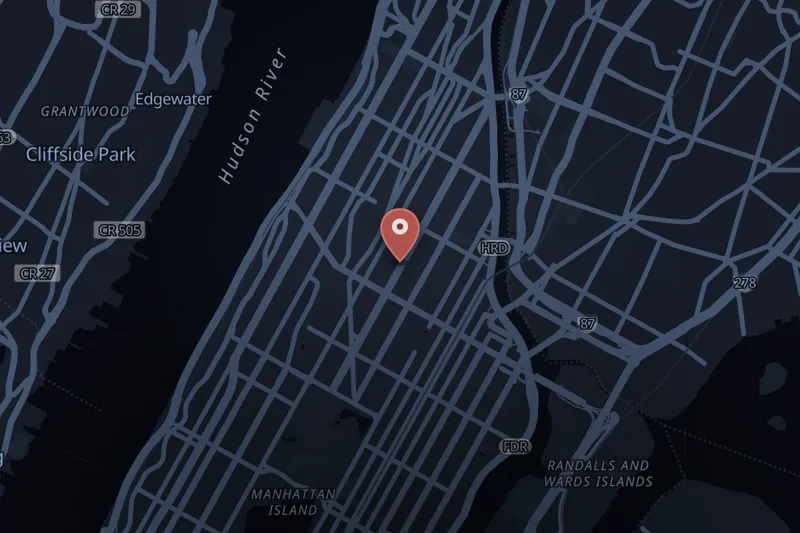
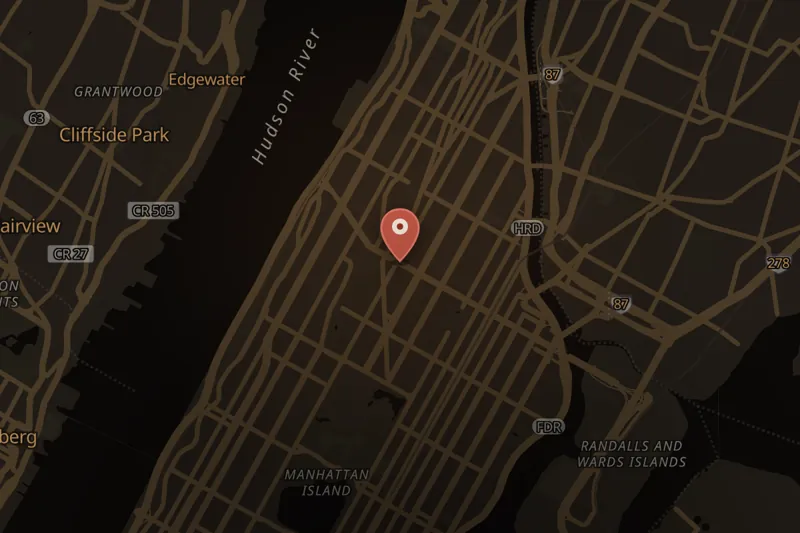
Freddy's Fashion Mart, 125th Street, Harlem, Manhattan, New York CityView on the map

The short answer

Freddy's Fashion Mart attack in brief

On December 8, 1995, a gunman set fire to Freddy's Fashion Mart in Harlem and shot at fleeing customers and police, killing seven store employees and himself, after weeks of protests over the planned eviction of a Black-owned subtenant business.

Key facts

Year
1995
Place
Freddy's Fashion Mart, 125th Street, Harlem, Manhattan, New York City
Status
SOLVEDSolved
Outcome
Charged: Roland J. Smith Jr.

The coverage index

Where to watch & listen

No one's coverage is attached to this file yet.

Know great coverage of this case?

A documentary, a podcast episode, a careful long-form video. Suggest it and an editor will review it before it appears here.

Suggest coverage for Freddy's Fashion Mart attack

The case file

What happened

On December 8, 1995, seven employees of Freddy's Fashion Mart on 125th Street in Harlem, Manhattan, died of smoke inhalation after a gunman set the store on fire and blocked the only usable exit. The gunman also died at the scene from a self-inflicted gunshot wound, bringing the total deaths to eight.

The attack followed weeks of protests outside the store. The United House of Prayer, a Black Pentecostal church that owned the retail property on 125th Street across from the Apollo Theater, had asked Fred Harari, a Jewish tenant operating Freddy's Fashion Mart, to evict his longtime subtenant, The Record Shack, a record store owned by Black South African Sikhulu Shange. Activist Al Sharpton led protests against the planned eviction and against Freddy's for not employing any Black workers, telling protesters the store owner should not be allowed "to move this brother so that some white interloper can expand his business."

The perpetrator, Roland J. Smith Jr., born in 1944, had a history of prior arrests, including a 1962 car theft charge, a 1966 weapons possession charge, a 1967 conviction related to refusing induction into the Vietnam War draft, and a 1989 conviction in Tampa, Florida for resisting arrest and assaulting a police officer. In 1994 he was charged with aggravated harassment and resisting arrest in connection with a street vendor dispute on 125th Street. He may have attended earlier protests outside the store.

On the morning of the attack, Smith entered the store around 10:12 a.m. with a .38-caliber revolver and a container of flammable liquid. He ordered Black customers to leave, spread the accelerant and set the store on fire, and positioned himself near the store's only exit. He shot at two police officers who arrived at the scene and shot four customers as they attempted to escape the fire. Firefighters contained the blaze by 12:07 p.m. and entered the building to find seven store employees dead of smoke inhalation and Smith dead of a self-inflicted gunshot wound.

Fire Department officials later found that the store's sprinkler system had been shut off in violation of local fire code, and that the building's only fire escape had been bricked up — not itself a code violation at the time provided a working sprinkler system was in place. With the sprinkler disabled, those trapped inside had no way out except past the gunman. Three victims were found in a street-level back room and four in a sealed basement.

The seven fatal victims included one Black person, five Hispanic people, and one Guyanese person; among the wounded were one Jewish person, one Guyanese person, and two white people.

In the aftermath, Sharpton said the perpetrator had been an open critic of him and his nonviolent tactics. In 2002, Sharpton expressed regret for his "white interloper" remark but denied responsibility for inflaming or provoking the violence.

9 dated entries · 1962–2002

Timeline

  1. Roland J. Smith Jr. was arrested on charges of stealing a car.

  2. Smith was charged with weapons possession.

  3. Smith renounced his citizenship and refused induction for the Vietnam War draft, resulting in a four-year federal prison sentence.

  4. Smith was convicted of resisting arrest and assaulting a police officer in Tampa, Florida.

  5. Smith was charged with aggravated harassment and resisting arrest in connection with a street vendor brawl on 125th Street.

  6. The six-story Bronx apartment building where Smith lived burned to the ground.

  7. Smith entered Freddy's Fashion Mart around 10:12 a.m., set the store on fire, ordered Black customers to leave, and shot at police and fleeing customers.

  8. By 12:07 p.m., firefighters contained the blaze and found seven store employees dead of smoke inhalation and Smith dead of a self-inflicted gunshot wound.

  9. Al Sharpton expressed regret for his 'white interloper' remark but denied responsibility for provoking the violence.

1 named in this file

People

Victims first. Every legal label is set from public records and court outcomes, not from the prose.

  • Roland J. Smith Jr.

    CHARGED

    Identified as the gunman who took hostages, shot four fleeing customers, and set fire to Freddy's Fashion Mart in Harlem on 8 December 1995, killing seven employees before shooting himself; died at the scene and was never prosecuted.[3]

3 cited

Sources

Coverage is not a source: every fact in this file rests on the records below.

  • 2 Press
  • 1 Encyclopedic
  1. Contemporaneous coverage — The New York Times

    PressThe New York TimesAccessed Jul 7, 2026

  2. Contemporaneous coverage — Los Angeles Times

    PressLos Angeles TimesAccessed Jul 7, 2026

  3. Freddy's Fashion Mart attack

    EncyclopedicWikipediaAccessed Jul 7, 2026

Trust

Record history

First published
Jul 7, 2026
Corrections
None

Are you family of someone named in this file? Corrections and removal requests from victims’ families are prioritized.