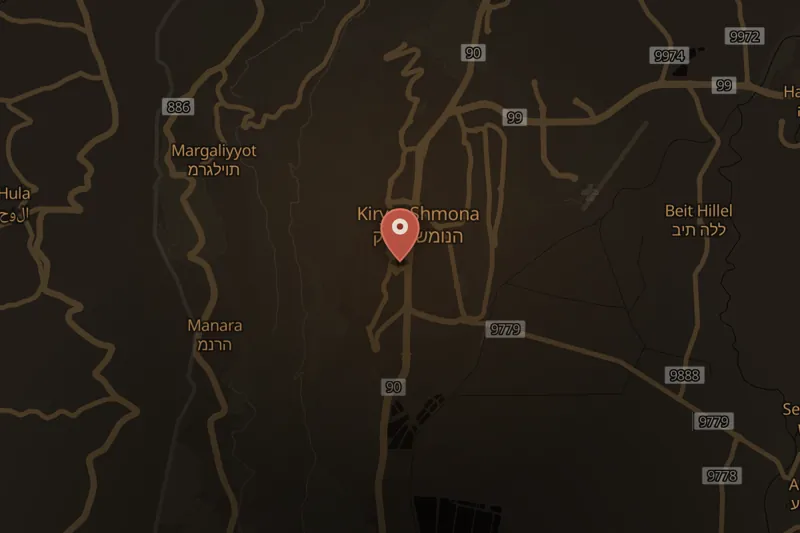
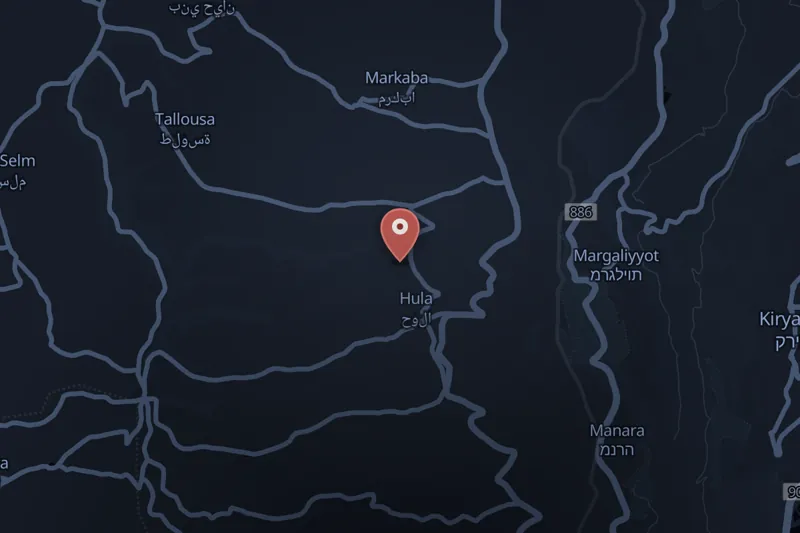
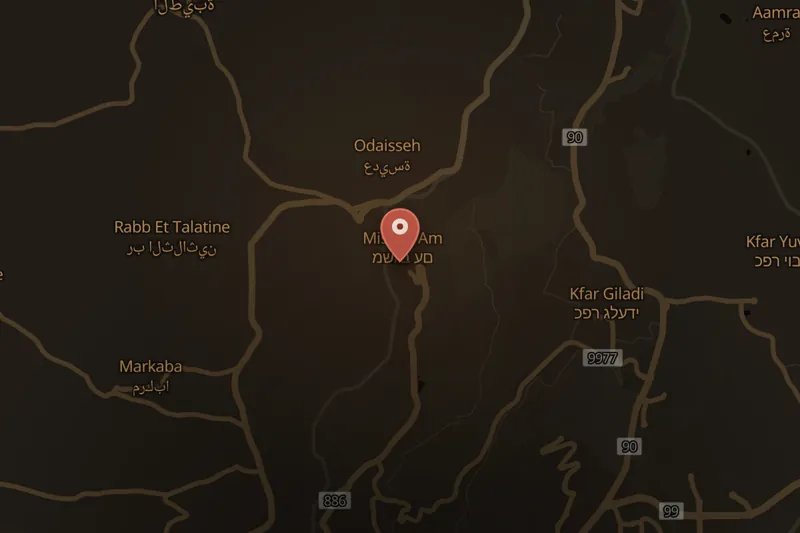
The Hula massacre occurred between 31 October and 1 November 1948 in the village of Hula, Lebanon, located about 3 km west of Kibbutz Manara near the Litani River. The village had been captured on 24 October 1948 by the Carmeli Brigade of the Israel Defense Forces without any resistance from local residents.
According to accounts described in the case, women and children from the village were expelled, while most men aged between 15 and 60 were separated and held in a single house under guard. Reports vary on the exact number held, with estimates of about 35 to over 50 men. Eyewitness Dov Yermiya, a battalion deputy commander, stated that when he returned to the village the morning after touring it, he learned that two officers had shot all the captives in the house with a sub-machine gun and then blown up the house on top of them. Between 35 and 58 men in total are reported to have been killed; 67 names of those described as martyrs of the massacre appear on a monument in the village of Hula.
Two officers were held responsible for the killings and were reported as war criminals by Yermiya, their superior. One of them, First Lieutenant Shmuel Lahis, who served as company commander, was tried for murder before an Israeli military court. At trial, Lahis argued that the alleged crime occurred outside the borders of Israel and therefore fell outside the court's jurisdiction. The military court rejected this defense but granted a postponement so Lahis could appeal the jurisdictional question to the High Court of Justice (HCJ). In the same HCJ proceeding, the Israeli government separately argued that the HCJ lacked authority to interpret military law. In February 1949, the HCJ rejected both Lahis's claim and the government's claim, allowing the military trial to proceed.
Lahis was found guilty and sentenced to seven years in prison. On appeal, this sentence was reduced to one year, and he was released from prison in 1950. He received a retrospective presidential amnesty in 1955. A later investigation reported that Lahis did not serve a full prison term, spending only a short time at a military base before being pardoned, and was subsequently appointed director-general of the Jewish Agency.
Lahis later became a lawyer and, in 1978, was appointed president of the Jewish Agency. This appointment drew opposition from some Israelis because of his role in the 1948 massacre. Yermiya wrote to Jewish Agency Chairman Arie Dulzin objecting to the appointment, and the controversy was subsequently reported in Israeli media and debated in the Knesset. Dulzin's written response indicated that Lahis's history had been known to the Jewish Agency since 1961, and that the Israeli Legal Council had determined in 1955, when Lahis sought registration as a lawyer, that the act underlying his military conviction did not carry a professional "stigma."
During the 2024 Israeli invasion of Lebanon, a memorial to the victims of the massacre was reported to have been defaced by Israeli soldiers.

 SOLVEDListen