
Ongoing case
International Child Abduction in Japan
Japan's family law system, which does not recognize joint custody or provide enforcement mechanisms for custody and visitation orders, has resulted in a persistent pattern of international parental child abduction, with foreign left-behind parents historically unable to secure the return of children even after Japan joined the Hague Convention in 2014.
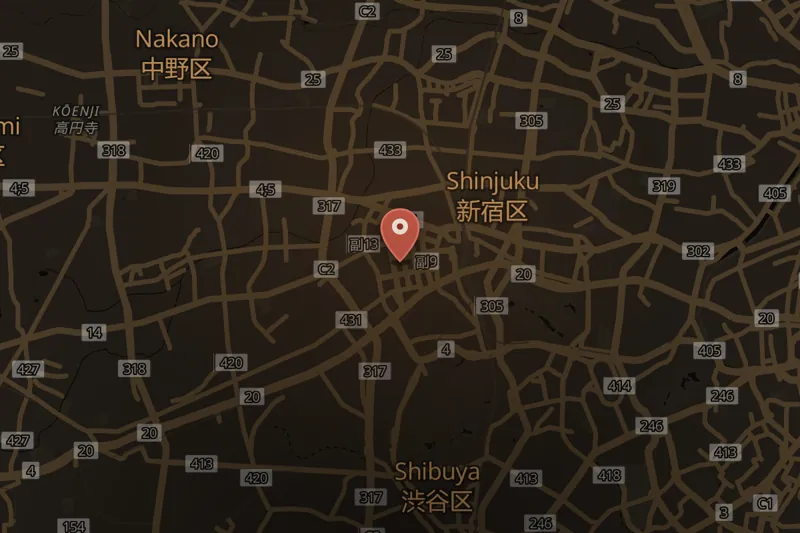
This case concerns a systemic issue rather than a single crime: the removal or retention of children in Japan by a parent (frequently the Japanese parent) in violation of custody or visitation arrangements recognized in other countries. The underlying dynamic is rooted in structural features of Japanese family law, which treats divorce, custody, child support, and alimony as predominantly private matters. Japan does not recognize joint parental authority or shared residence after divorce, and family court rulings on visitation or custody are essentially unenforceable without the cooperation of the custodial parent.
Statistics compiled from multiple national governments illustrate the scope of the problem. As of the mid-to-late 2000s, Australia reported at least thirteen unresolved cases; Canada reported 29 unresolved cases as of March 2008; France reported 35 cases as of December 2009; and the United Kingdom reported 37 cumulative cases between 2003 and 2009, none resolved. The U.S. State Department reported 73 outstanding cases involving 104 abducted children in 2009, and stated it was not aware of any case in which a child taken from the United States had been ordered returned by Japanese courts, even where a U.S. custody decree existed. Between 2005 and 2009, the number of cases involving children from Australia, Canada, France, the UK, and the US reportedly quadrupled.
Japan ratified the 1980 Hague Convention on the Civil Aspects of International Child Abduction, with the National Diet approving ratification in 2013 and the treaty entering into force for Japan on 1 April 2014, making Japan the last G7 nation to join. The convention obliges signatories to promptly return abducted children to their country of habitual residence, but has no retroactive effect, meaning pre-2014 abductions could not be resolved under its terms. Since 2014, the treaty has reportedly had an impact in over 150 cases.
A significant complicating factor is domestic violence: some Japanese legal commentators and lawyers have argued that a substantial proportion of abductions by Japanese mothers occur in the context of alleged spousal abuse, and that the Hague Convention's "grave risk" defense under Article 13 is difficult to invoke successfully. Critics of Japan's system, including foreign governments and legal scholars, have pointed to the absence of enforcement mechanisms, the koseki family registry system (which is often misunderstood but does not itself determine custody), and cultural attitudes favoring a "clean break" from the non-custodial parent as structural barriers to resolution.
The European Parliament adopted a non-binding resolution in July 2020 calling on Japan to enforce domestic and foreign court decisions on child return, parental access, and visitation.
Key facts
- Victims
- On file
- Date
- 2005
- Location
- Japan
- Case status
- ongoing
Case timeline
1980
The Hague Convention on the Civil Aspects of International Child Abduction is adopted; Japan does not join at this time due to a low number of international marriages.
1993
The United States enacts the International Parental Kidnapping Crime Act, making international child abduction a felony.
2005
Japan amends Article 226(1) of its Penal Code so that kidnapping/abduction provisions cover abduction from any country, not just Japan.
2006
A joint symposium on child abduction is held at the Canadian Embassy in Tokyo.
2008
Japan Today reports (inaccurately, as later shown) that Japan would become a Hague Convention signatory by 2010; The Guardian reports on UK child abduction figures for the year.
2009-05
A joint symposium held at the American Embassy in Tokyo results in a joint statement from Canada, France, the UK, and the US calling on Japan to sign the Hague Convention.
2009-10
Following the Christopher Savoie incident, a similar joint statement is reissued with additional support from Australia, Italy, New Zealand and Spain.
2013
Japan's National Diet approves ratification of the Hague Convention.
2014-01
Japan formally becomes a party to the Hague Child Abduction Convention.
2014-04-01
The Hague Convention enters into force for Japan.
2020-07-08
The European Parliament adopts a non-binding resolution calling on Japan to enforce domestic and foreign court decisions on child return, access, and visitation rights.
Best coverage
No coverage has been attached to this file yet.
People
No public people records are attached yet.
Places
Common questions
- What happened to the victim?
- Japan's family law system, which does not recognize joint custody or provide enforcement mechanisms for custody and visitation orders, has resulted in a persistent pattern of international parental child abduction, with foreign left-behind parents historically unable to secure the return of children even after Japan joined the Hague Convention in 2014.
- Where did the abduction happen?
- Japan.
- What is the current status of the case?
- Status: ongoing.
Related cases
View all cases
Tokyo Metropolitan Murders
Greater Tokyo Area (Tokyo, Chiba, Saitama), Japan

Amakasu Incident
Tokyo, Japan
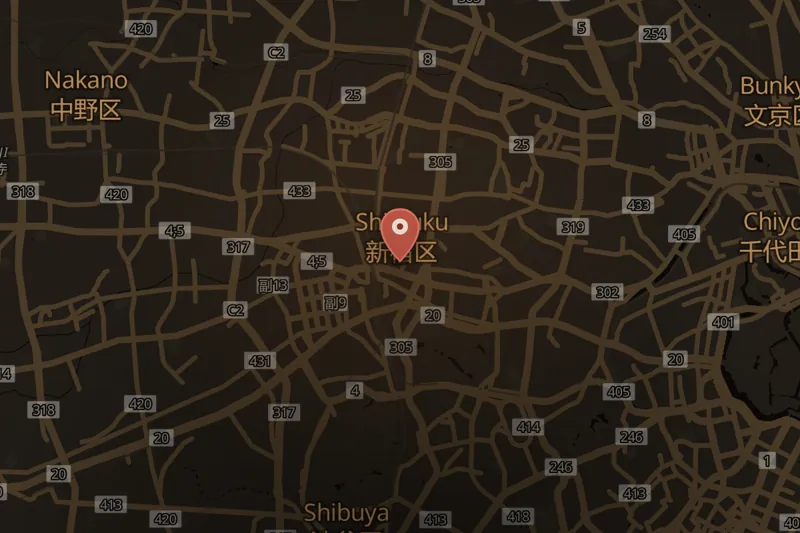
Shinjuku–Kabukicho Love Hotel murders
Shinjuku and Kabukicho, Tokyo, Japan
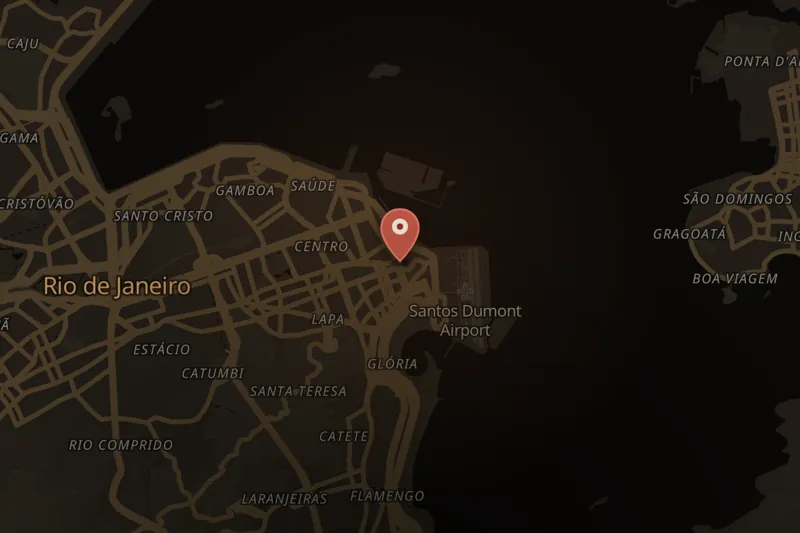
Goldman child abduction case
Rio de Janeiro, Brazil

Kyoto Animation arson attack
Kyoto Animation Studio 1, Fushimi Ward, Kyoto, Japan
Murder of Rie Isogai
Chikusa-ku, Nagoya, Aichi Prefecture, Japan
Sources
- ENCYCLOPEDICInternational child abduction in JapanWikipedia · 2026-07-07
- PRESSContemporaneous coverage — The GuardianThe Guardian · 2026-07-07
- OFFICIAL / AGENCYContemporaneous coverage — travel.state.govtravel.state.gov · 2026-07-07
Record history
- First published
- JUL 07, 2026
When a file you follow changes — a new development, a correction, fresh coverage — the Dispatch is how you hear about it.
The Casepin Dispatch
A calm weekly briefing from the archive — one case worth understanding, meaningful updates to files you follow, and the best new coverage. You’ll also get the one-time note when the apps land. No gore, no rumor, no drip.