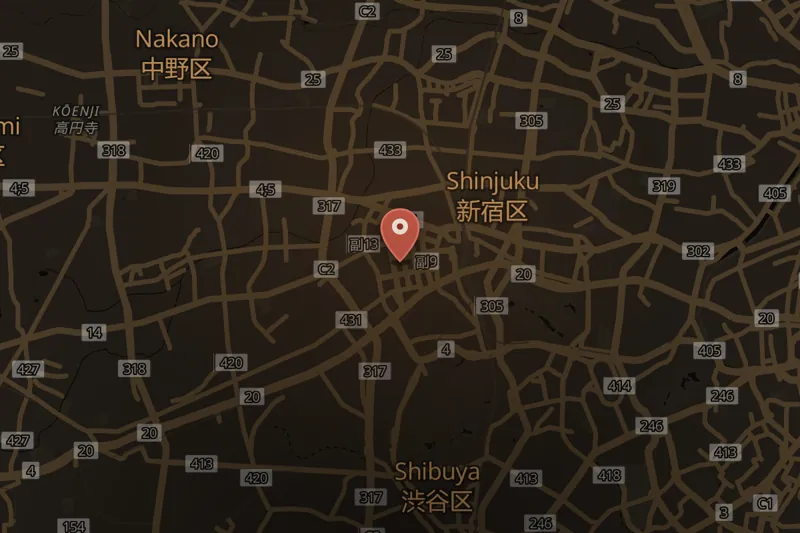
Between 1968 and 1974, a series of murders and assaults targeting predominantly female victims occurred across the Greater Tokyo Area, including Chiba, Saitama, and Tokyo. The perpetrator's modus operandi involved attacking and raping women who lived alone, killing them around midnight, and burning their bodies. Most victims were in their twenties, and the presumed perpetrator's blood type was O−. Nine such cases were recorded, plus two additional cases tied to a suspect who was later convicted and then acquitted, believed to be linked due to similarities in method.
On September 12, 1974, construction worker Etsuo Ono, then 37, was arrested in Kitaura on suspicion of theft and taken to a police station in Matsudo, Chiba, where he was repeatedly questioned about the killings. Investigators cited his criminal history (13 years total in prison for theft, burglary, grievous bodily harm, and arson), a prior conviction for breaking into a Tokyo apartment and attempting to rape a sleeping occupant, his O− blood type, his familiarity with the crime-scene areas due to past arsons, a dubious alibi, and his history of using ladders in break-ins, similar to the killer's method. Japanese media outlets, including Asahi Shimbun, Mainichi Shimbun, Tokyo Times, and Tokyo Shimbun, ran headlines effectively declaring Ono guilty before trial. However, discrepancies emerged: not all cases matched the O− blood type, victim age ranges varied, and the Katsushika case was later solved with a different perpetrator identified, not Ono.
Ono was initially released for lack of evidence but was rearrested and charged on March 12, 1975, specifically with the murder of a 19-year-old woman who disappeared on July 3, 1974, after visiting a Shinkin bank in Matsudo; her body was found on August 8, 1974. Ono later said he had been coerced into a false confession through torture, including being pressed against the victim's corpse and a mortuary tablet, burned with incense and cigarettes, exposed to cold through open windows, and having his hair pulled. On September 4, 1986, the Matsudo branch of the Chiba District Court convicted Ono and sentenced him to life imprisonment. On April 23, 1991, the Tokyo High Court acquitted him of the murder, citing the unreliability of his confession, though he was separately convicted of theft and rape from the same period and released after 16 years in custody, receiving 36.5 million yen in compensation.
After his release, Ono was publicly regarded as a wrongful-conviction victim. He was imprisoned again for a 1992 theft, and in 1996, shortly after that release, he was arrested for a murder in Adachi in which a woman was burned and decapitated. Unlike the Matsudo case, police reportedly had substantial evidence, and Ono admitted guilt, receiving a life sentence in 1999.
Of the eleven linked cases, only the Katsushika case has been conclusively resolved. The remaining ten cases are cold, with the statute of limitations expired. Debate continues over whether Ono's original Matsudo confession was genuine, with his own trial lawyer later stating he began doubting his client's guilt during proceedings.

 Credit: Unknown photographerPublic domainSourceSOLVEDListen