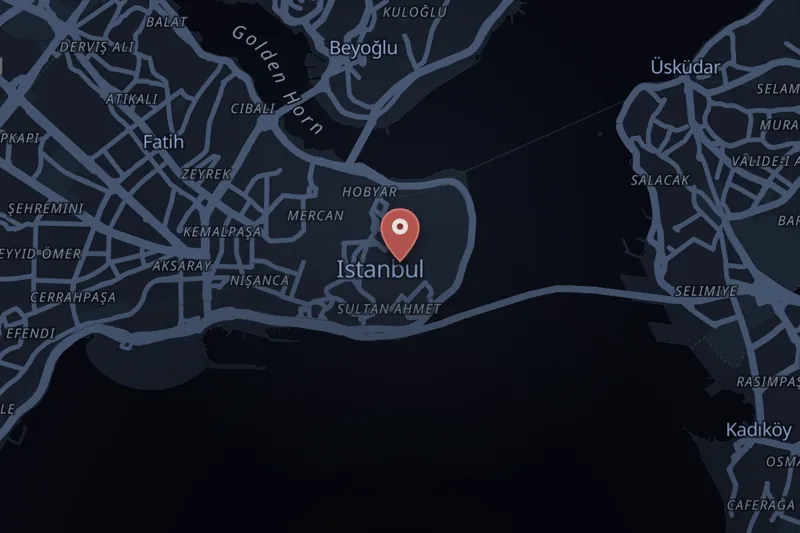
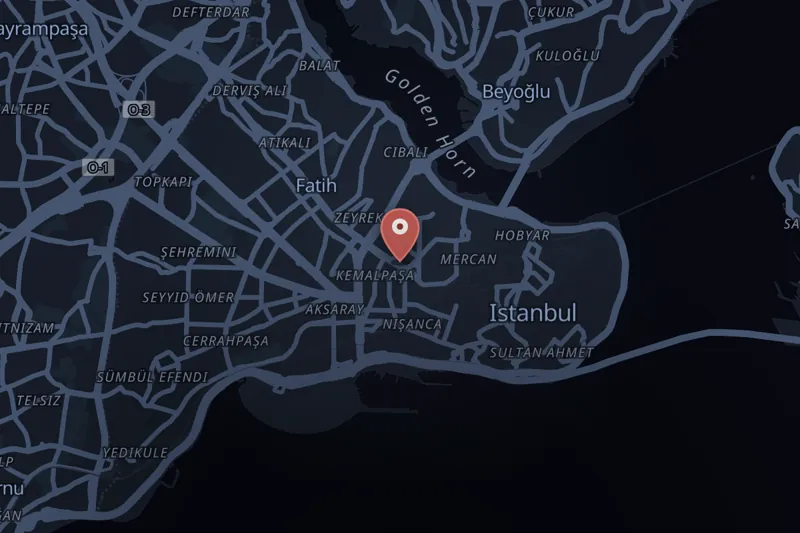
On the morning of 12 January 2016, a suicide bomber detonated explosives in Sultanahmet Square, a historic area of Istanbul near the Blue Mosque and Hagia Sophia that is popular with tourists. The blast occurred at approximately 10:20 a.m. local time near the Obelisk of Theodosius, as the bomber approached a tour group. Thirteen people were killed — twelve German tourists and one Peruvian national — and additional people were injured, including Germans, a Chinese national, a South Korean, and a Peruvian, according to news media reports.
Turkish authorities identified the attacker as Nabil Fadli, a Syrian national born in 1988 who was affiliated with the Islamic State (ISIL). According to the Saudi Arabian Interior Ministry, Fadli was actually born in Saudi Arabia and left the country with his family at age eight, subsequently growing up in Manbij, a city in northern Syria then under ISIL control. His family is described as ethnically Turkman. Reports characterized Fadli as "a regular foot soldier" in ISIL, and stated that his brother had carried out a suicide bombing at an airport several months prior. Fadli entered Turkey on 5 January 2016 and had been registered and fingerprinted as a refugee; his name had not triggered any security alerts.
The attack followed a period of escalating violence in Turkey attributed to ISIL. This included a January 2015 suicide bombing at a Sultanahmet police station by a bomber later identified as having links to ISIL; a July 2015 suicide bombing in Suruç that killed 33 people; and an October 2015 double suicide bombing outside Ankara's main train station that killed more than 100 people, which Turkish prosecutors attributed to a local ISIL cell. In December 2015, Turkish police detained two suspected ISIL militants believed to be planning New Year's attacks in Ankara, prompting cancellation of public celebrations, and three additional men were arrested on 11 January 2016 while traveling toward Diyarbakir.
Turkish Prime Minister Ahmet Davutoğlu confirmed the attacker's profile, stated he was not on Turkey's militant watch-list, and said he was believed to have recently crossed into Turkey from Syria. Davutoğlu convened a security meeting with the interior minister and pledged continued action against ISIL. Turkey's broadcast regulator imposed a temporary ban on images of the bombing, which was upheld by an Istanbul court.
The attack drew international condemnation, including statements from the European Commission, Germany, Malaysia, Pakistan, Singapore, and the United States. German Chancellor Angela Merkel expressed concern over the German casualties, and Germany's foreign ministry warned citizens in Istanbul to avoid crowds and tourist sites amid expectations of further attacks.


 SOLVEDListen