Background
Since the de facto collapse of Haiti's government in 2018, the capital Port-au-Prince has experienced widespread gang activity marked by killings and violence. This situation worsened following the 2021 assassination of President Jovenel Moïse, after which most gangs operating in Port-au-Prince aligned with one of two larger coalitions, G9 or G-Pep. Under the administration of Ariel Henry, who governed following Moïse's death, seventy-eight police officers had reportedly been killed prior to the events of January 2023.
The Killings
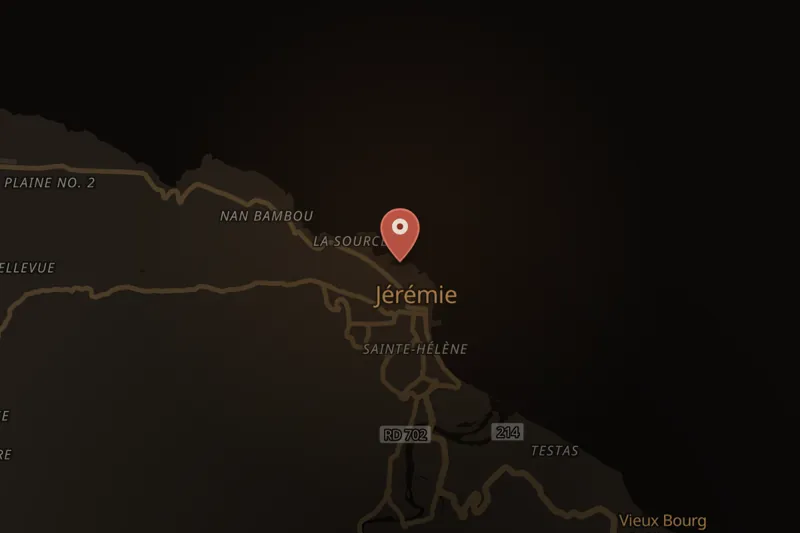
The wave of killings began on January 10, 2023, in the Carrefour-Feuilles neighborhood of Port-au-Prince, where officers Denis Dempsey and Previlus Jean-Daddy were killed by unidentified attackers; several other officers were wounded. On January 17, a convoy of the National Police (PNH) was attacked by gang members, killing one officer and injuring another; that same day, officer Joseph Jean Gardy was kidnapped. On January 20, five police officers were ambushed, resulting in three deaths and one additional kidnapping.
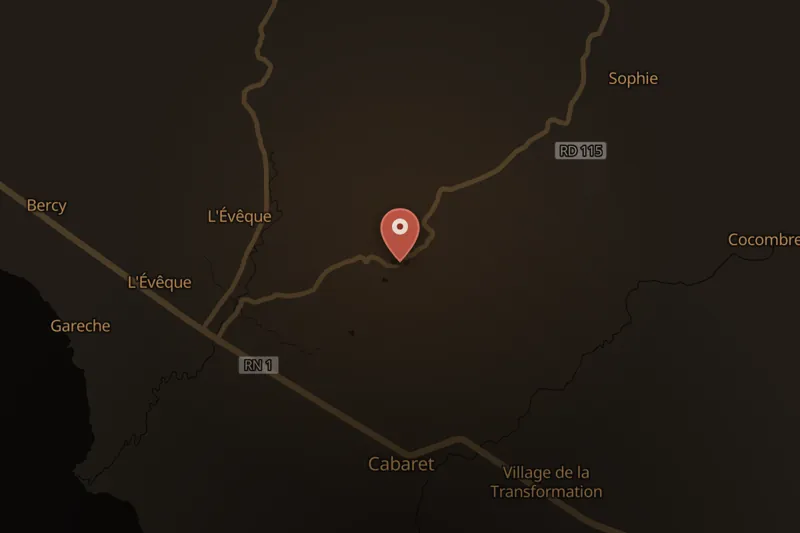
The largest single attack occurred on January 26 at the Liancourt police station in Artibonite, where six police officers were ambushed by the Savien and Mowodwe factions of the gang Gan Grif. A first assault began around 7 a.m., followed by a second at 10 a.m.; a seventh officer died from the attack shortly afterward. One more officer was killed the following day, January 27, in the Delmas 52 area. The National Police stated that Gan Grif was still holding the bodies of officers killed in the attacks, and video footage distributed by the Associated Press reportedly showed gang members with dismembered bodies of officers.
Protests
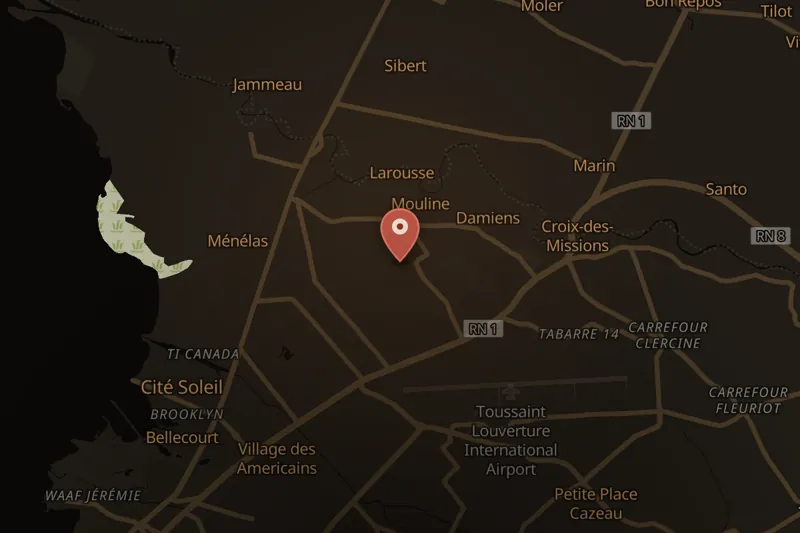
On January 26, protests and riots broke out among Haitian police officers and members of Fantom 509, a group affiliated with police, in response to the killings. Demonstrators called for the resignation of Prime Minister Ariel Henry, with some calling for broader political upheaval, and demanded a crackdown on the gangs responsible. The killings drew condemnation from American ambassador to Haiti Brian A. Nichols. During the unrest, Henry — who held power without having been elected — was returning to Haiti from a meeting in Miami, Florida; protesters entered Toussaint Louverture International Airport searching for him, though he remained in a separate area of the airport. Protesters also broke into Henry's residence in apparent reprisal for the killings. The director of the PNH officers' union described the January attacks as the largest coordinated instance of violence against Haitian police, stating that police officers were being "hunted" by the gangs.

 Credit: LEVE KANPE POU HAITICC BY 3.0SourceONGOINGListen