
Solved case
Jaragua massacre
In July 1503, Spanish colonial governor Nicolás de Ovando ordered the killing of Indigenous people of Xaragua on Hispaniola during a staged celebration, resulting in the deaths of dozens of caciques and the execution of the ruler Anacaona.

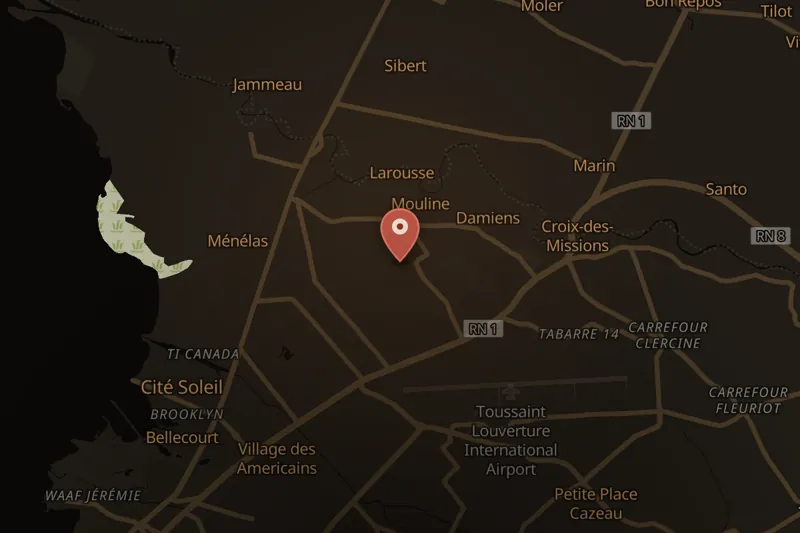
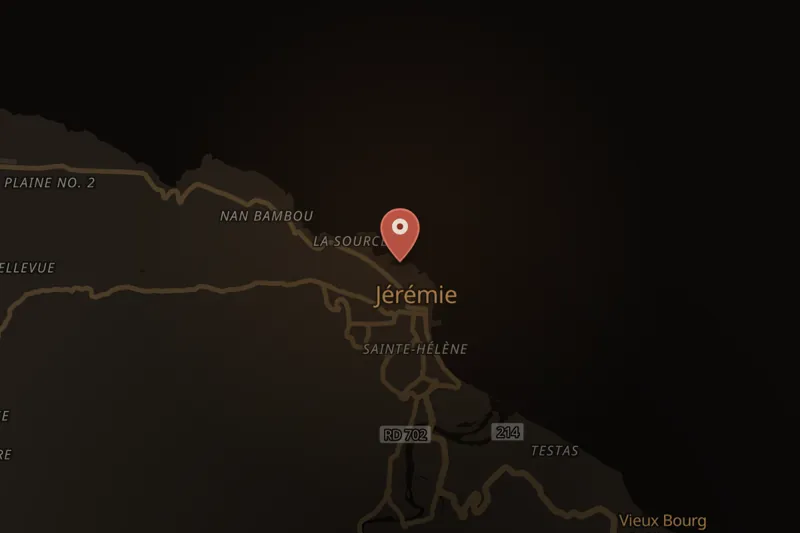
In July 1503, Spanish forces under the governor of Santo Domingo, Nicolás de Ovando, killed a large number of Indigenous people from the town of Xaragua on the island of Hispaniola. The killings took place during a Native celebration held in the village of Guava, near present-day Léogâne, in the territory of Jaragua ruled by the Cacica Anacaona, according to the chronicler Bartolomé de las Casas.
Jaragua was one of the chiefdoms of Hispaniola, previously led by Cacique Boechío. After Boechío's death, attributed to old age, his sister Anacaona became his successor and served as an intermediary between the people of Jaragua and the Spanish colonizers. She was described by contemporaries as an effective administrator who continued to pay tribute to the Spanish. However, Guacanagaríx, leader of the allied Chiefdom of Marién, reported to the Spanish that Xaragua was planning a rebellion, and Anacaona subsequently came to be viewed as a threat by Ovando.
According to Las Casas, Ovando informed Anacaona that he intended to visit Xaragua with his men to celebrate their alliance. During the visit, Ovando arrived with 300 Spanish soldiers along with local natives from the Marién tribe. He allegedly lured the assembled caciques into a large hut, or batey, under the pretense of watching a tournament staged by the Spaniards. At a prearranged signal, the Spaniards seized and bound the caciques while attacking Indigenous people gathered outside. Anacaona and other native noblemen were arrested and accused of conspiracy to rebel.
Las Casas records that approximately 80 caciques were burned alive and that Anacaona was hanged. He also documents the deaths of children during the massacre, describing Spaniards cutting the legs off boys as they fled, and recounting an instance in which a Spaniard who tried to save a child by pulling them onto a horse was followed by another soldier who killed the child with a lance.
Las Casas further reports that some survivors fled roughly eight leagues to the island of Guanabo, but were later captured and enslaved by the Spanish; he notes that one such person was given to him as a slave.
As a consequence of the massacre, King Ferdinand V deposed Ovando and recalled him to Spain in 1509. Ovando died two years later, on 29 May 1511.
Key facts
- Victims
- Anacaona
- Date
- 1503
- Location
- Guava (near present-day Léogâne), Jaragua territory, Hispaniola
- Case status
- solved
Case timeline
No timeline entries are attached yet.
Best coverage
No coverage has been attached to this file yet.
People
Nicolás de Ovando
LAW ENFORCEMENTSpanish governor of Santo Domingo who ordered and led the expedition and killings; later deposed and recalled to Spain by King Ferdinand V as a result.
Anacaona
VICTIMCacica (ruler) of Jaragua, arrested and hanged during the massacre after being accused of conspiracy by Spanish forces.
Roles reflect public records and court outcomes at the time of writing — supporting citations are on file under Sources.
Places
Common questions
- What happened to the victim?
- In July 1503, Spanish colonial governor Nicolás de Ovando ordered the killing of Indigenous people of Xaragua on Hispaniola during a staged celebration, resulting in the deaths of dozens of caciques and the execution of the ruler Anacaona.
- Where did the massacre happen?
- Guava (near present-day Léogâne), Jaragua territory, Hispaniola.
- What is the current status of the case?
- Status: solved.
Related cases
View all cases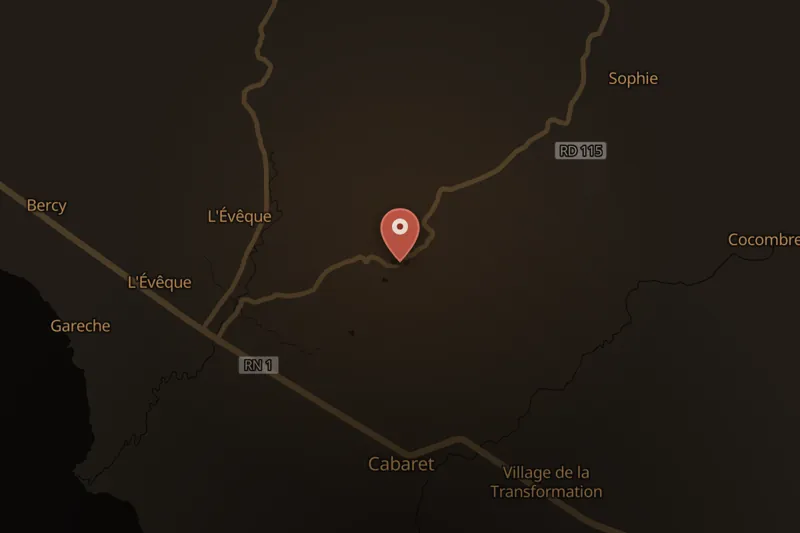

Sources
- PRESS1503: Anacaona and the caciques of XaraguaExecuted Today · 2026-07-11
- ENCYCLOPEDICJaragua massacreWikipedia · 2026-07-10
When a file you follow changes — a new development, a correction, fresh coverage — the Dispatch is how you hear about it.
The Casepin Dispatch
A calm weekly briefing from the archive — one case worth understanding, meaningful updates to files you follow, and the best new coverage. You’ll also get the one-time note when the apps land. No gore, no rumor, no drip.