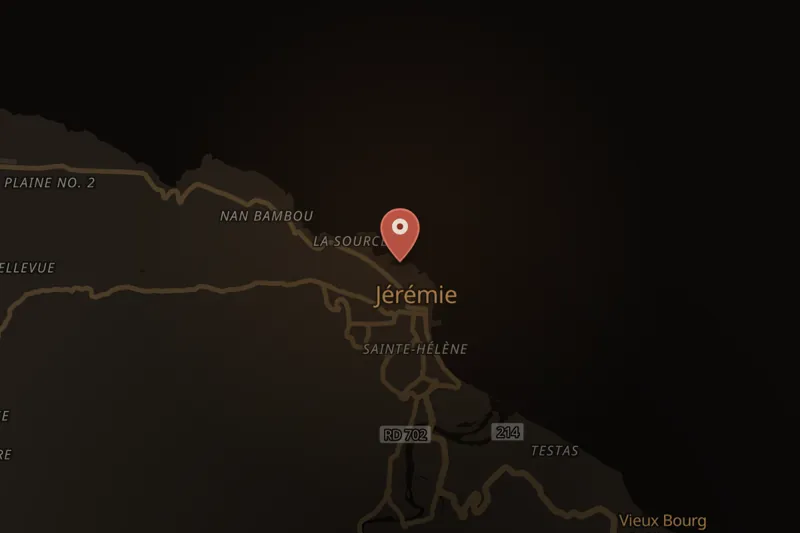
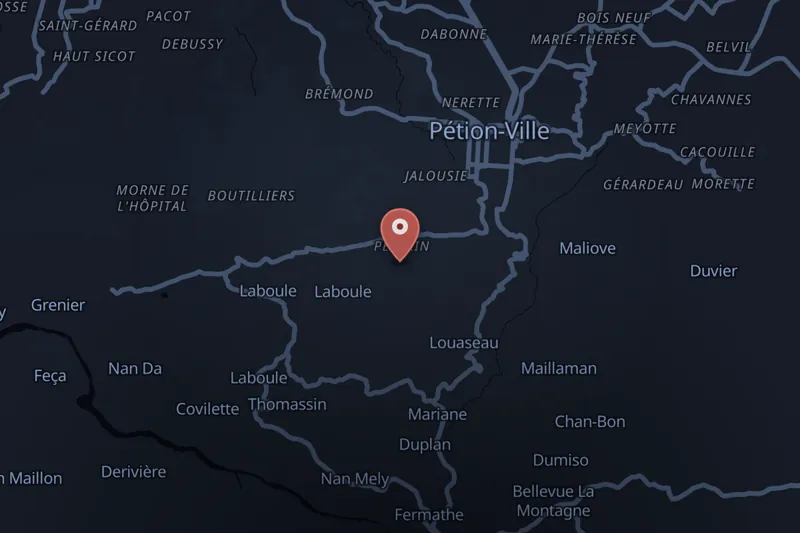
Jovenel Moïse, the 43rd president of Haiti, was assassinated at approximately 1:00 a.m. on 7 July 2021 at his residence in Pèlerin 5, Pétion-Ville, Port-au-Prince. Gunmen stormed the home and fatally shot Moïse; they also shot First Lady Martine Moïse multiple times before ransacking the couple's rooms and fleeing. Martine Moïse was airlifted to Miami for emergency treatment and survived. According to a Haitian National Police report, only six guards were protecting the residence at the time, two of whom had reportedly acted as informants for the plotters, and none of the president's security detail was killed or injured, prompting public questions about the guards' role.
The plot involved 28 foreign nationals—26 Colombians, many former Colombian army soldiers, and two Haitian Americans—recruited chiefly through the Miami-based CTU Security firm and financed in part via the Florida company Worldwide Investment Development Group. Investigators say the operation evolved from an initial plan to arrest Moïse into a plan to kill him roughly two weeks before the attack. Following the killing, Haitian police killed three suspects in a shootout and arrested others, including a group that took refuge at Taiwan's embassy in Pétion-Ville. A broader manhunt led to arrests in Jamaica, the Dominican Republic, Turkey, and the United States over the following years.
Haiti's investigation implicated senior officials, including presidential security chief Dimitri Hérard, who was charged with murder over the assassination and later escaped from the National Penitentiary in Port-au-Prince during a gang-led prison break in early March 2024 and remains a fugitive, and then-acting Prime Minister Ariel Henry, the latter tied by prosecutors to phone calls with a named plot figure on the night of the assassination; Henry declined an interview request from the chief prosecutor, who was subsequently dismissed. Several investigating judges and prosecutors stepped down over safety concerns during the case. In February 2024, Haitian authorities charged 51 people, including Martine Moïse and former Prime Minister Claude Joseph, with complicity and criminal association; former police chief Léon Charles was charged with murder and related offenses. An appeals court later overturned the 2024 indictments in October, ordering a new investigation, and Haiti restarted its probe in May 2025.
In the United States, where prosecutors asserted jurisdiction because part of the planning occurred domestically, multiple defendants pleaded guilty to conspiracy to commit murder or kidnapping outside the United States, including Mario Antonio Palacios, Rodolphe Jaar, and John Joël Joseph, each sentenced to life in prison; Germán Rivera García and Joseph Vincent also pleaded guilty and received life sentences, while Frederick Bergmann was sentenced to nine years for export-related charges. On 8 May 2026, a federal jury in Miami convicted four South Florida men—Arcangel Pretel Ortiz, Antonio Intriago, Walter Veintemilla, and Christian (Emmanuel) Sanon—of conspiring to assassinate Moïse, marking the first U.S. jury convictions in the case. Prosecutors said the men recruited the Colombian mercenaries; the defense argued the men believed they were enforcing a legitimate Haitian arrest order rather than a killing. Authorities have stated that those who ultimately ordered and financed the assassination remain unidentified.


 UNSOLVEDListen