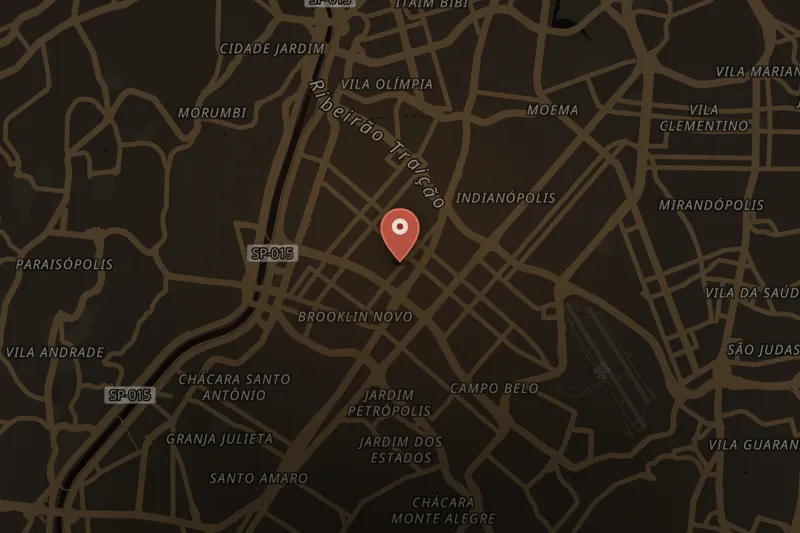
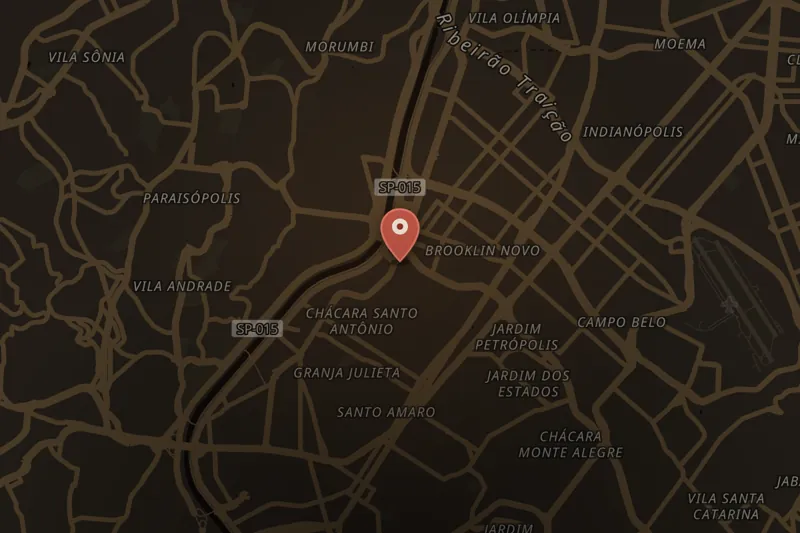
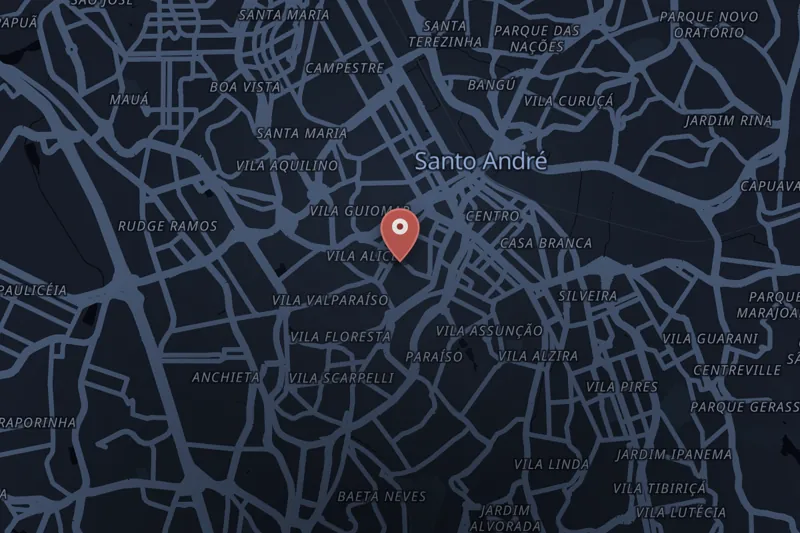
On 13 October 2008, Eloá Cristina Pimentel, a 15-year-old Brazilian girl, was working on a school project with her friend Nayara da Silva and two male classmates in her apartment in Santo André, São Paulo, when her 22-year-old ex-boyfriend, Lindemberg Fernandes Alves, forced his way in while armed with a pistol. Alves, who did not accept the end of their relationship, soon released the two boys but held Pimentel and Silva hostage. Their relationship had begun when Alves was 20 and Pimentel was 12. The Grupo de Ações Táticas Especiais (GATE), a special tactical unit of the São Paulo police, monitored the situation closely as it unfolded over several days.
On 16 October, Alves released Silva, but at police request she agreed to re-enter the apartment to attempt negotiations. Once inside, she was again held hostage. Hours later, after gunshots were reportedly heard, GATE officers stormed the apartment; accounts dispute whether shots were fired before police forced entry. During the raid, Alves shot Pimentel twice and Silva once before being subdued. Pimentel was hospitalized and declared brain dead; she was taken off life support on 18 October 2008 at 23:30 BRT. Silva survived her gunshot wound. The 100-hour hostage situation was reported as the longest kidnapping recorded in São Paulo at the time.
Pimentel was buried at Jardim Santo André cemetery in a ceremony attended by an estimated ten thousand people. Several of her organs — heart, lungs, liver, pancreas, kidneys, and cornea — were donated, benefiting seven recipients. Separately, it emerged that her father, Everaldo Pereira dos Santos, was wanted as a suspect in a two-person homicide in the state of Alagoas; he fled during the hostage incident and was later captured in Maceió on 28 December 2009.
Alves stood trial in February 2012, over a four-day proceeding beginning 13 February. He was convicted on twelve counts and sentenced to 98 years and ten months in prison, a term subsequently capped at the Brazilian legal maximum of thirty years.
The case drew intense scrutiny over police conduct, particularly the decision to send Silva back into the apartment, along with other tactical criticisms raised by a Brazilian SWAT instructor regarding the length of the standoff, the failure to use a sniper, delays in entering after breaching the door, and the failure to use alternate entry points. Brazilian television coverage was also widely criticized; a former BOPE member and sociologist called networks' coverage "irresponsible and criminal," and a journalism scholar characterized a live on-air telephone interview conducted by a broadcaster with both Alves and Pimentel during the standoff as dangerous interference with negotiations. Brazil's Federal Public Prosecutor's Office subsequently filed a public civil action against the presenter involved, citing interference with police operations and endangerment of those involved, and sought substantial compensation for collective moral damage. The case has since been the subject of documentary and dramatized television coverage, including a 2025 Netflix documentary.

 SOLVEDListen