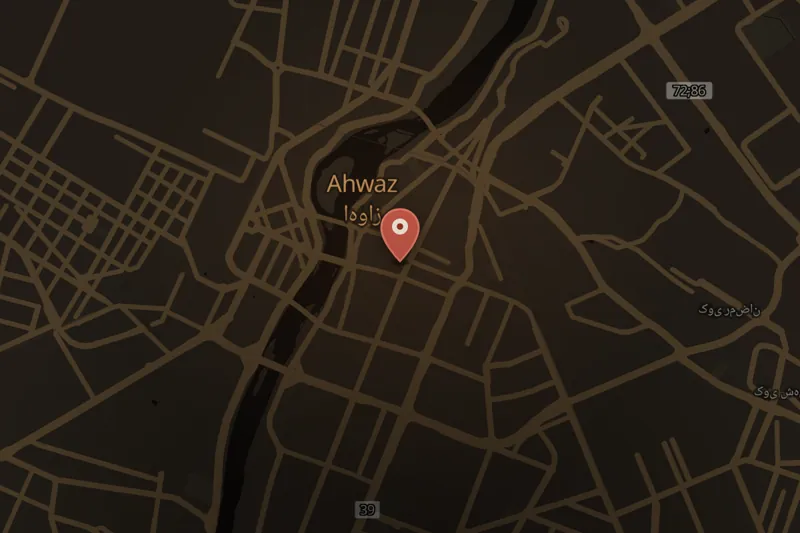
Ali "Alireza" Fazeli Monfared was a 20-year-old Iranian man from Khuzestan Province who was kidnapped and decapitated near the city of Ahvaz, Iran, on May 4, 2021. The killing was carried out by three men: his half-brother and two cousins. The case has been identified as an honor killing connected to his sexual orientation.
The killing reportedly occurred days after Fazeli Monfared's half-brother learned of his sexual orientation through his military service exemption card. Iran's military laws exempt gay men from mandatory military service, and this exemption status is recorded on official documentation, which in this case is reported to have disclosed his sexual orientation to his family. It has been reported that Fazeli Monfared was planning to move to Turkey to seek asylum after receiving this exemption.
Following the killing, Fazeli Monfared's mother was hospitalized after learning of her son's death, according to the Iranian LGBTQ+ rights group 6Rang. His half-brother and cousins were arrested in connection with the killing. Individuals who had known Fazeli Monfared prior to his death said he had faced years of homophobic and transphobic harassment, which he did not report to police out of fear of facing violence and prosecution at the hands of authorities.
The case drew significant social media attention and international coverage. Activists and celebrities, including American singer Demi Lovato, posted about the killing to raise awareness of homophobia in Iran. Iranian-American activist Masih Alinejad told Insider that after viewing Fazeli Monfared's social media page, she found him "full of life" and posted about his death, which went viral; she said she wished he had received such attention while alive. In response to the killing, many LGBT Iranians secretly filmed videos of themselves walking with partners and displaying rainbow flags as a form of protest. Amnesty International called for a full investigation into the killing and for the revocation of Iran's anti-gay laws.
Iran's military law requiring disclosure of sexual orientation for exemption from service has been cited as a contributing factor in cases like this, where such disclosures can effectively out gay men to their families. The case has been referenced in discussions of honor killings in Iran, LGBT rights in Iran, and conscription practices in the country.

 UNSOLVEDListen