Berta Isabel Cáceres Flores (4 March 1971 – 2 March 2016) was a Honduran Lenca indigenous leader and co-founder of the Council of Popular and Indigenous Organizations of Honduras (COPINH). She won the 2015 Goldman Environmental Prize for leading a grassroots campaign that pressured the world's largest dam builder to withdraw from the Agua Zarca Dam project on the Río Gualcarque, a project she and the local Lenca community opposed on the grounds that it threatened their water, food, and traditional way of life without proper consultation.
Cáceres led years of protest against the dam, developed by Honduran company Desarrollos Energéticos S.A. (DESA) in partnership with Chinese firm Sinohydro and the World Bank's International Finance Corporation. During a 2013 protest, the Honduran military opened fire on demonstrators, killing COPINH member Tomás García and injuring others. Cáceres faced criminal charges over the protests, and the Inter-American Commission on Human Rights had granted her formal "precautionary measures" for her protection following threats surrounding the 2009 Honduran coup. In 2013 she told Al Jazeera that the army kept an assassination list with her name at the top.
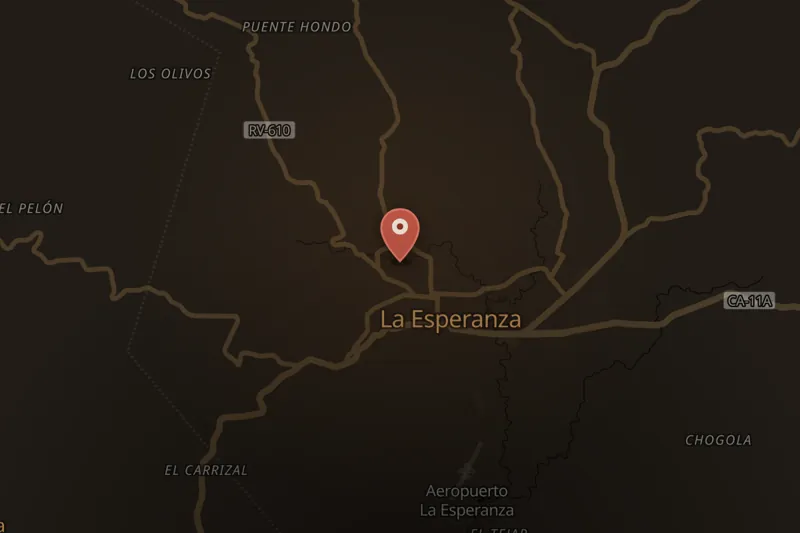
On the night of 2 March 2016, Cáceres was shot dead by armed intruders in her home in La Esperanza. Mexican activist Gustavo Castro Soto, who was staying with her, survived two gunshot wounds. Despite the standing IACHR protective measures, Cáceres had no protection at the time of her death. Her killing prompted international condemnation, including calls for investigation from the Organization of American States, the U.S. Ambassador to Honduras, and the UN High Commissioner for Human Rights, along with protests in Honduras and abroad.
The Honduran government's initial investigation drew criticism from Amnesty International and Cáceres' family for procedural failures, including an autopsy conducted without independent oversight and the detention of a COPINH member and a security guard who were later released for lack of evidence. Sole witness Gustavo Castro Soto said he was treated as a suspect and barred from leaving the country for a month. In May 2016, authorities arrested four men, including a DESA environmental manager, a former security contractor, and two military officers. By February 2017, The Guardian reported that three of eight arrested suspects had links to US-trained elite Honduran military units, two of whom had trained at the former School of the Americas (now WHINSEC) at Fort Benning, Georgia.
In November 2017, an international legal panel (GAIPE) found "willful negligence" by financial institutions including CABEI, FMO, and Finnfund, and identified participation by DESA executives, private security personnel, and state security agents in crimes connected to the assassination. In March 2018, David Castillo, DESA's former executive president, was arrested as an alleged mastermind of the killing. In November 2018, seven of eight men tried were convicted of murder; in December 2019, four were sentenced to 34 years for Cáceres' murder plus 16 years for the attempted murder of Castro Soto, while three others received 30-year sentences for organizing the assassination. On 6 July 2021, Honduras' Supreme Court unanimously found David Castillo guilty of plotting the assassination, ruling he used paid informants and military contacts to monitor Cáceres and arranged payment for the killing; he was sentenced on 20 June 2022 to 22 years and 6 months in prison.


 Credit: Frankk785CC BY-SA 3.0SourceSOLVEDListen
