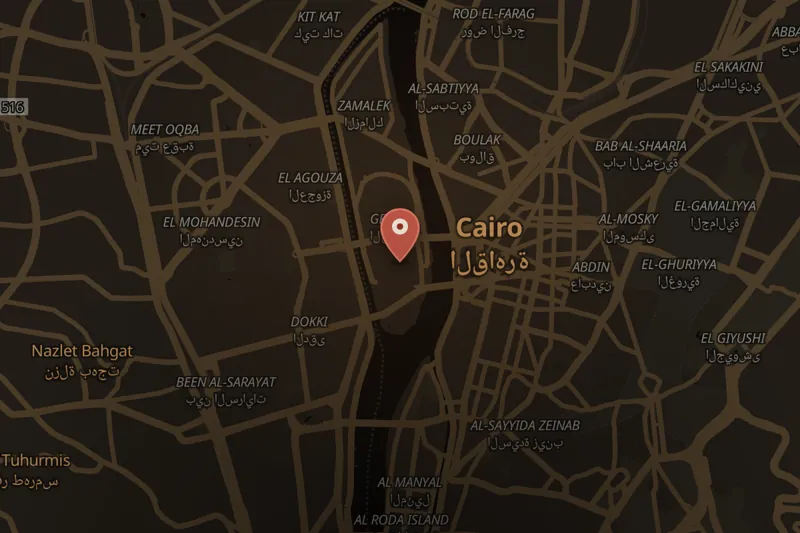
Giulio Regeni, an Italian PhD student at the University of Cambridge (Girton College) researching Egypt's independent trade unions, was born on 15 January 1988 in Trieste and grew up in Fiumicello, Italy. He disappeared in Cairo on 25 January 2016, the fifth anniversary of the Tahrir Square protests. His body was found on 3 February 2016 in a ditch alongside the Cairo–Alexandria highway, near an Egyptian secret service prison, showing what has been described as clear signs of torture, including letters engraved into his skin with sharp objects.
Forensic findings documented in a 300-page Italian autopsy report described contusions and abrasions from a severe beating, more than two dozen bone fractures including seven broken ribs and fractures to all fingers and toes, legs, arms and shoulder blades, multiple stab wounds including to the soles of his feet, numerous cuts, extensive cigarette burns, a larger burn mark between the shoulder blades, a brain hemorrhage, and a cervical fracture identified as the cause of death. An Egyptian forensic official reported in March 2016 that Regeni had been interrogated and tortured over as long as seven days before being killed; Egypt's own autopsy findings have not been made public.
On 24 March 2016, Egyptian police killed four men in a shootout whom authorities described as a kidnapping gang responsible for Regeni's death, and said items including his passport and ID were recovered from a raid. Witnesses and Italian investigators, per reporting by Declan Walsh, disputed the gang's culpability, noting phone records placed the alleged ringleader elsewhere at the time of the supposed kidnapping; the New Cairo prosecutor's office later denied the gang's involvement.
Reuters reported in April 2016 that Egyptian intelligence and police sources said Regeni had been in police custody before his death, having been picked up near a Cairo metro station and taken to a police station. Cambridge University's handling of the case, including its tutor's initial refusal to cooperate with the inquiry, drew criticism, though the tutor later agreed to be questioned by Italian authorities.
In November 2020, Italian magistrates concluded their investigation and charged four Egyptian National Security Agency officials — Major Magdi Ibrahim Abdelal Sharif, Major General Tariq Sabir, Colonel Athar Kamel Mohamed Ibrahim, and Colonel Uhsam Helmi — with the aggravated kidnapping of Regeni; Sharif was additionally charged with conspiracy to commit aggravated murder. A trial ordered in May 2021 was invalidated in October 2021 for lack of formal notification to three of the defendants. Italy's Constitutional Court ruled in September 2023 that the officials could be tried despite Egypt's refusal to deliver notification, and the in-absentia trial opened in February 2024, remaining suspended as of January 2026 pending a constitutional query.
The case triggered international reaction: over 4,600 academics signed a petition, Amnesty International Italy launched a "Truth for Giulio Regeni" campaign, and the European Parliament passed a resolution condemning the killing and broader human rights abuses under the Egyptian government. Italy recalled its ambassador to Egypt in April 2016 citing lack of cooperation. Annual commemorations have been held, including at Girton College and in London and Rome.



 ONGOINGListen