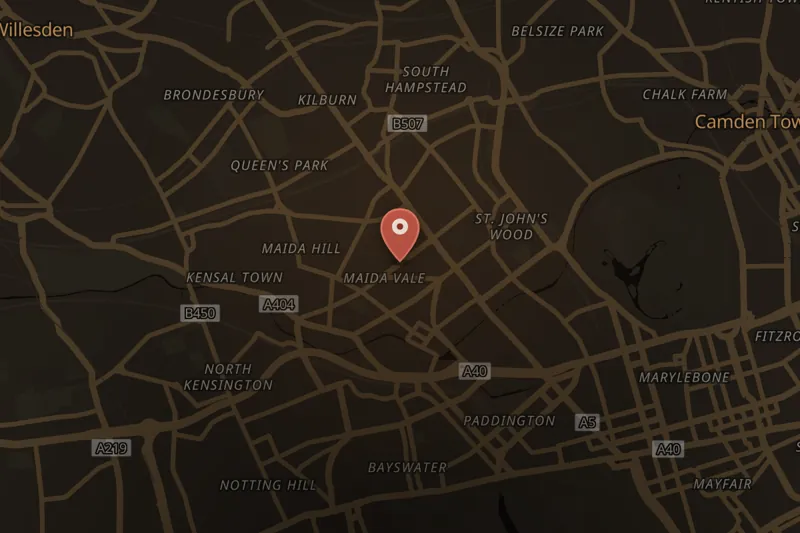
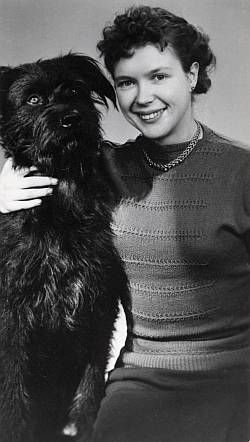
David Blakely, a racing driver, was shot dead outside the Magdala public house in South Hill Park, Hampstead, north London, on the evening of Easter Sunday, 10 April 1955. Ruth Ellis, a 28-year-old single mother and nightclub hostess who had been in a relationship with him, fired the shots. A passer-by was wounded in the hand by a ricochet.
The relationship had been marked by violence against Ellis. In January 1955 she suffered a miscarriage after Blakely punched her in the stomach during an argument. Ellis and other witnesses testified that Blakely had threatened to kill her and that she was covered in bruises from his assaults, and the later pardon application cited witness-corroborated accounts of public assaults, being pushed down stairs and a blow to the ear that left her temporarily deaf.
Ellis was tried at the Old Bailey in June 1955 before Mr Justice Havers. Jurors were told not to take into account that she had been badly treated by her lover. The jury convicted her of murder after about 20 minutes, and the mandatory death sentence followed. She was hanged at HMP Holloway on 13 July 1955, the last woman to be executed in the United Kingdom.
In 2003 the Criminal Cases Review Commission referred her conviction to the Court of Appeal, which dismissed the appeal, ruling that it could judge the conviction only against the law as it stood in 1955 and could not rule on whether the execution had been right.
In October 2025, four of Ellis's grandchildren applied for a pardon with legal help from the law firm Mishcon de Reya, arguing that the abuse she endured had never been properly considered at her trial. On 8 July 2026 the Ministry of Justice announced that the King had granted Ellis a posthumous conditional pardon. The pardon does not affect the conviction; it substitutes a sentence of life imprisonment for the death penalty. The government said the decision recognised evidence of domestic abuse and coercive and controlling behaviour that may be understood differently today, when defences of loss of control or diminished responsibility might have reduced the offence from murder to manslaughter. Deputy Prime Minister David Lammy called the pardon "an act of mercy" and said he hoped it would bring some peace to her family. The pardon makes no finding that Ellis did not kill Blakely.

 Credit: Wikipedia/Wikimedia Commons (Camden Town murder)Public domainSourceUNSOLVEDListen