
Start here
Johnny Stompanato: The Troubled Life of Lana Turner (Part 1)
Crime Weekly's 2-hour breakdown, the fullest single telling on file.
Watch on YouTubeSolved case · 1958
Also known as Murder of Johnny Stompanato · Johnny Stompanato's murder
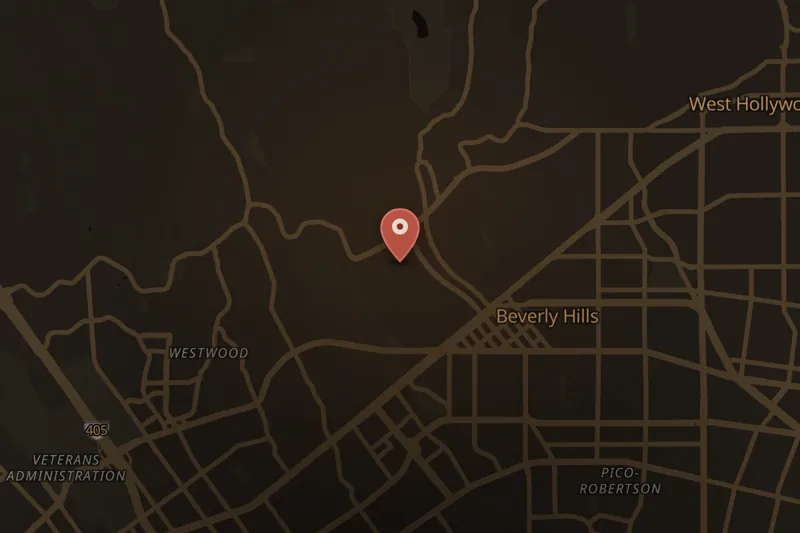
 Lana.Turner.house.2Credit: JGKleinPublic domainSource
The short answer
On April 4, 1958, 14-year-old Cheryl Crane fatally stabbed Johnny Stompanato, the boyfriend of her mother, actress Lana Turner, at Turner's rented Beverly Hills home during a violent argument. A coroner's inquest ruled the killing a justifiable homicide and Crane was exonerated, though the case remains subject to enduring conspiracy theories.
Johnny Stompanato: The Troubled Life of Lana Turner (Part 1)Crime Weekly · 2 hr 2 min3 pieces from 1 creator: ranked, with duplicates removed and short clips set aside.
Start here
Crime Weekly's 2-hour breakdown, the fullest single telling on file.
Watch on YouTubeJohnny Stompanato: The Actress, The Gangster, The Girl (Part 3)
 Crime WeeklyVideo · YouTube · 1 hr 44 min · 2025
Johnny Stompanato: Mob Ties and Malicious Behavior (Part 2)
Crime WeeklyVideo · YouTube · 1 hr 43 min · 2025Titles and descriptions are the creators’ own and may not reflect current legal status. The sourced facts are in the file below. Players load only when you press play. Suggest coverage we’re missing.
On the evening of April 4, 1958, Johnny Stompanato, a 32-year-old former Marine with ties to the Los Angeles underworld, was fatally stabbed at the Beverly Hills home rented by actress Lana Turner, his girlfriend of about a year. Turner's 14-year-old daughter, Cheryl Crane, stabbed Stompanato once in the stomach during a violent confrontation between Turner and Stompanato in Turner's bedroom. Crane and Turner said Crane, who had overheard the argument and armed herself with a kitchen knife, acted out of fear that Stompanato — who had reportedly threatened to kill Turner, her daughter, and her mother — intended to harm Turner. The relationship between Turner and Stompanato had been marked by prior incidents of physical abuse, including an assault during filming in London in September 1957 and another following the March 1958 Academy Awards ceremony.
An autopsy determined that Stompanato died from a single stab wound that penetrated his liver, portal vein, and aorta, causing fatal internal hemorrhaging. Crane surrendered to police in the early hours of April 5 and gave a formal statement describing the stabbing. She was held in juvenile hall pending further proceedings. A coroner's inquest was convened on April 11, 1958, drawing more than one hundred reporters. Witnesses included police officials, Crane's father Joseph Stephen Crane, her grandmother Mildred, and Turner herself, whose extended testimony was widely covered by the press. After roughly four hours of testimony and about twenty-five minutes of deliberation, the coroner's jury ruled the killing a justifiable homicide, and Crane was not prosecuted. She was later released into her grandmother's custody following an April 24 juvenile court hearing.
Public reaction to the case was divided; some press coverage was critical of Turner's parenting and characterized her inquest testimony as theatrical. In June 1958, Stompanato's ex-wife, Sarah Ibrahaim, filed a wrongful death lawsuit on behalf of herself and her young son with Stompanato, seeking $750,000 in damages from Turner, Crane, and Joseph Stephen Crane. The suit implied uncertainty over whether Turner or Crane had actually inflicted the fatal wound. The case was settled out of court in 1962 for a reported $20,000.
In subsequent decades, the case has been the subject of a persistent theory that Turner, rather than Crane, delivered the fatal stab wound, and that Crane took responsibility to protect her mother. This theory was fueled by claims from Turner's hairdresser, Eric Root, in a 1996 memoir, and by MGM stylist Sydney Guilaroff's separate 1996 memoir account. Crane has repeatedly denied these claims, including in a 2012 television interview. The killing has been referenced in various works of popular culture, including the 1962 novel Where Love Has Gone and its 1964 film adaptation, and was described by Time magazine in 2007 as one of the most notorious crimes of the 20th century.
Stompanato disrupted filming of Another Time, Another Place in London and assaulted Turner; he was later deported from the United Kingdom.
Stompanato assaulted Turner after she attended the Academy Awards ceremony without him.
Stompanato was fatally stabbed at Turner's rented Beverly Hills home during a confrontation with Turner; Cheryl Crane inflicted the wound.
Crane surrendered to Beverly Hills police in the early morning hours and gave a formal statement; she was held in juvenile hall.
A closed juvenile pre-detention hearing was held before Judge Donald O'Dell; Turner's application to release Crane into her grandmother's custody was denied.
A coroner's inquest was held; the coroner's jury ruled Stompanato's death a justifiable homicide after about four hours of testimony.
A juvenile court hearing was held before Judge Allen T. Lynch; Crane was released into the custody of her grandmother, Mildred.
Stompanato's ex-wife, Sarah Ibrahaim, filed a wrongful death lawsuit seeking $750,000 against Turner, Crane, and Joseph Stephen Crane.
The wrongful death lawsuit was settled out of court for a reported $20,000.
Victims first. Every legal label is set from public records and court outcomes, not from the prose.
32-year-old former Marine and associate of the Los Angeles underworld, fatally stabbed on April 4, 1958.[3]
14-year-old daughter of Lana Turner who stabbed Stompanato; a coroner's inquest ruled the killing justifiable homicide and she was not prosecuted.[3]
Coverage is not a source: every fact in this file rests on the records below.
Are you family of someone named in this file? Corrections and removal requests from victims’ families are prioritized.
 Credit: Mona EshaikerCC BY-SA 3.0SourceSOLVEDListen
Holmby Hills, Los Angeles, California · 2000s
Singer Michael Jackson died on June 25, 2009, in Los Angeles from acute propofol intoxication administered by his personal physician, Conrad Murray. The Los Angeles County coroner ruled the death a homicide, and Murray was convicted of involuntary manslaughter in November 2011.
 Credit: Robert Rand (collection), via CBS News 48 HoursEditorial useSourceSOLVEDListen
Beverly Hills, California · 1980s
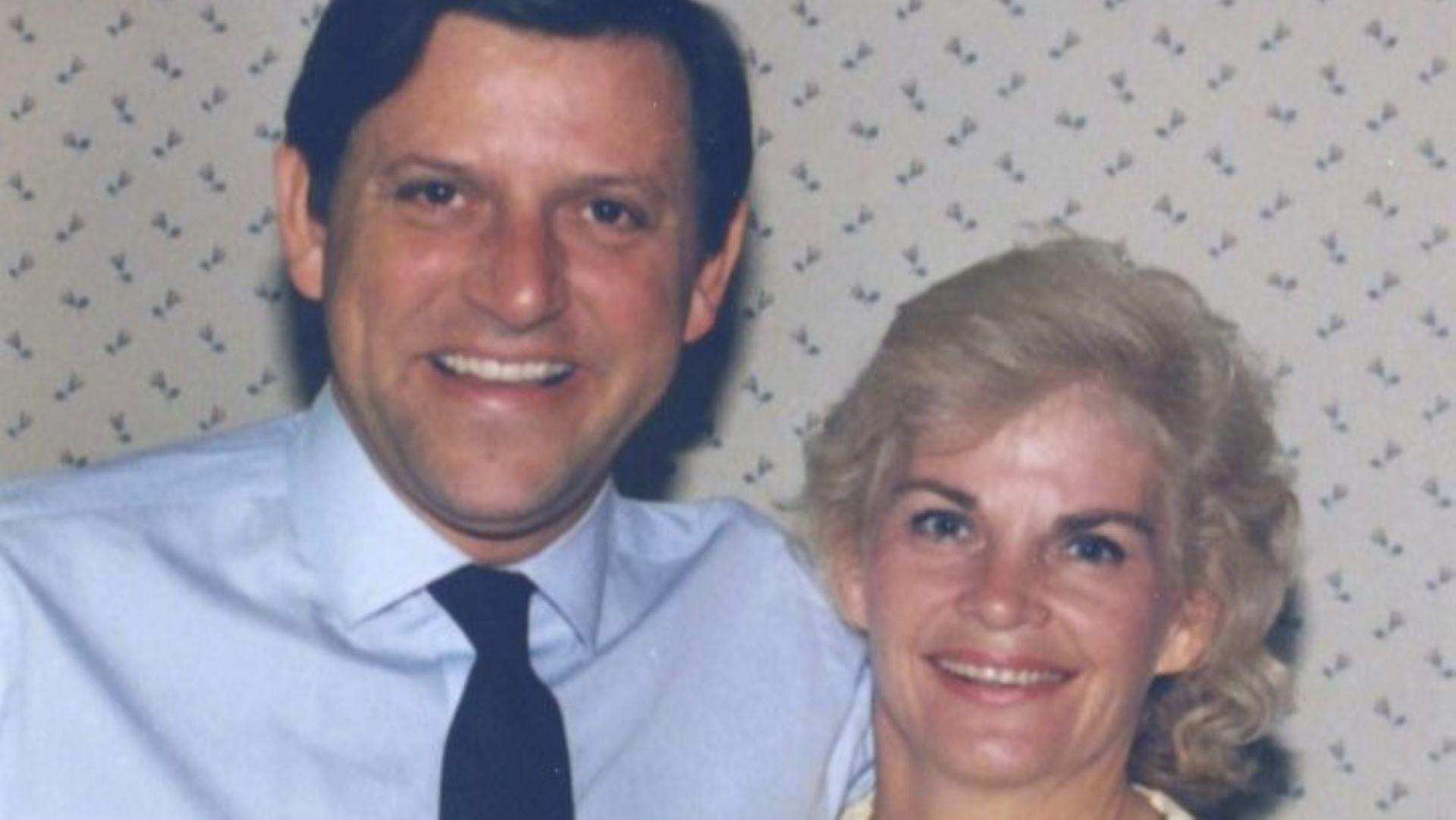
Lyle and Erik Menendez were convicted of murdering their parents, José and Kitty Menendez, with shotguns in the family's Beverly Hills home in 1989. After a mistried first trial, they were convicted in 1996 and sentenced to life without parole; in 2025 they were resentenced to 50 years to life, making them parole-eligible, though both were denied parole that year.
 SOLVEDListen
Beverly Hills, Los Angeles County, California, United States · 2010s
Violet Yacobi was killed at her Beverly Hills home on October 9, 2017; her son, Daniel Simon Yacobi, was convicted of first-degree murder in August 2025 and sentenced to life without parole that October.
 Credit: Nationaal Archief / Spaarnestad Collection (unknown photographer, undated)Public domainSourceCOLDListen
498 Nieuwe Haven, The Hague, Netherlands · 1959
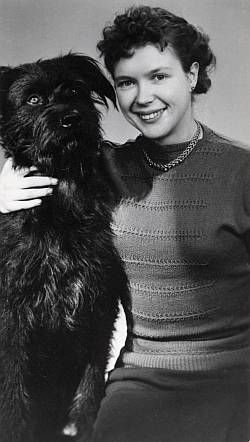
Sebilla Niemans, a Dutch prostitute and businesswoman known as Blonde Dolly, was found strangled in her home in The Hague in November 1959. Despite widespread speculation, the case was never solved and no one was ever charged.
 Credit: Unknown/ Sycamore High School "Leaves" yearbookPublic domainSourceOVERTURNEDListen
Sycamore, Illinois, United States · 1957
Seven-year-old Maria Ridulph disappeared from Sycamore, Illinois, on December 3, 1957, and her remains were found five months later; a man wrongly convicted of her murder in 2012 was later declared innocent in 2017, and her killing remains officially unsolved.
 Credit: State of FloridaPublic domainSourceCOLDListen
Mims, Florida, United States · 1951
On Christmas night 1951, a dynamite bomb planted beneath the bedroom floor of civil rights activists Harry T. Moore and Harriette V.S. Moore's home in Mims, Florida, killed them both, making them the first martyrs of the Civil Rights Movement.
 Credit: Woodlawn High SchoolEditorial useSourceSOLVEDListen
Leakin Park, Baltimore, Maryland · 1999
Hae Min Lee, an 18-year-old Baltimore County high school student, was strangled and found buried in Leakin Park in February 1999. Her ex-boyfriend Adnan Syed was convicted of first-degree murder in 2000; the case gained international attention after the 2014 podcast Serial, and Syed's conviction underwent multiple vacaturs, appeals, and reinstatements through 2025.
 Credit: Instagram/@gabspetito, widely distributed in press coverageEditorial useSourceSOLVEDListen
Bridger–Teton National Forest, Wyoming · 2021
Gabby Petito, a 22-year-old travel vlogger, was killed by strangulation and blunt-force trauma in August 2021 while on a cross-country van trip with her fiancé, Brian Laundrie. Laundrie returned to Florida alone, was named a person of interest, and later died by suicide, leaving a note admitting he had killed her.
 COLDListen
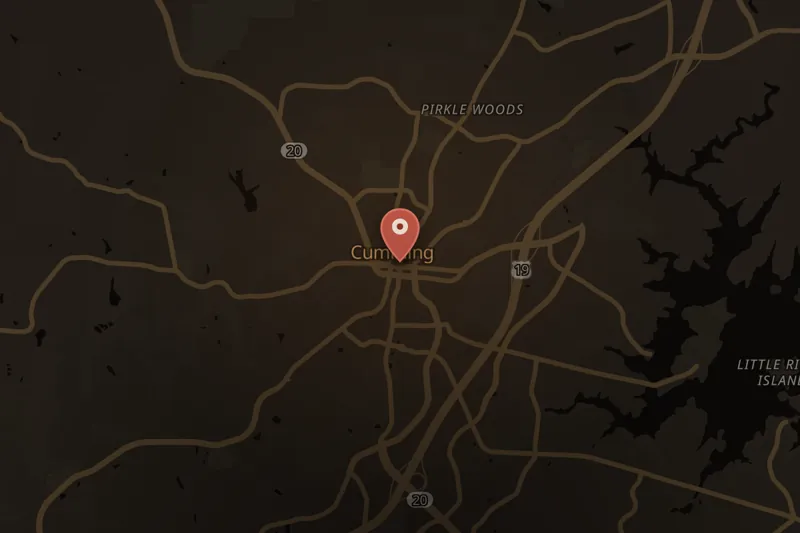
Cumming, Georgia · 2018
Tamla Horsford, a 40-year-old mother of five, died from a fall at a home in Cumming, Georgia, during a gathering on November 3-4, 2018; two separate investigations ruled her death accidental, though her family has disputed that finding and pushed for further inquiry.
