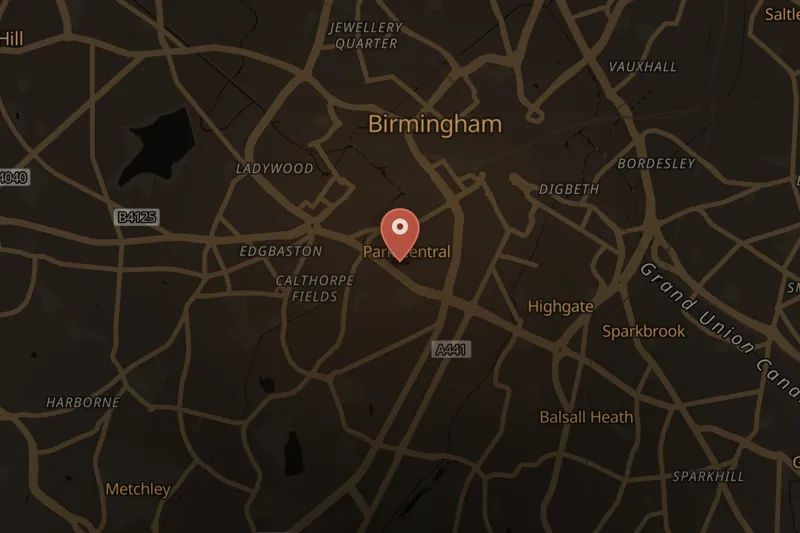
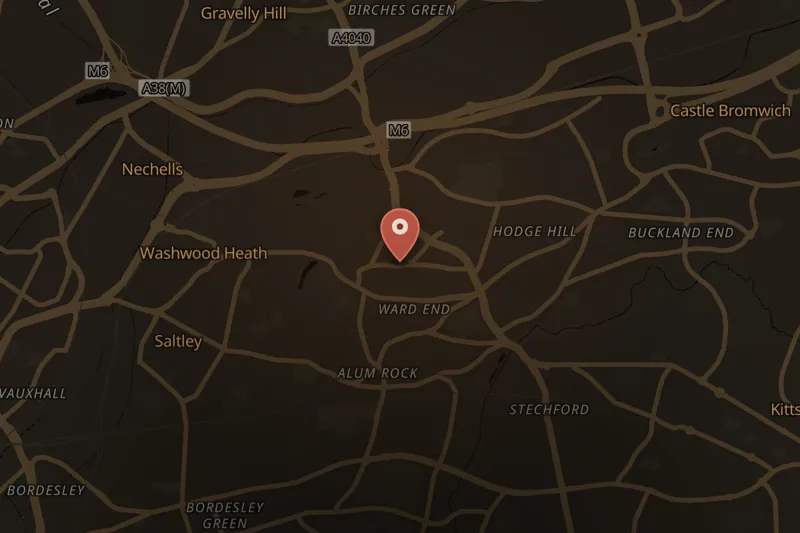
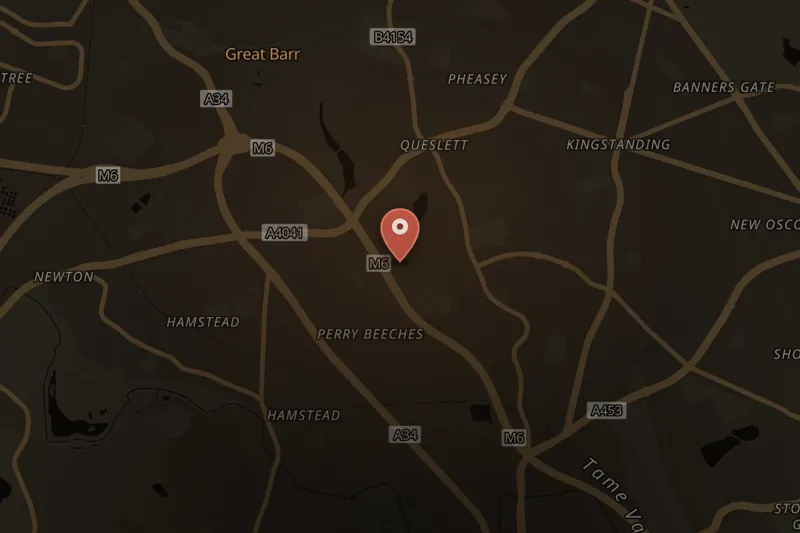
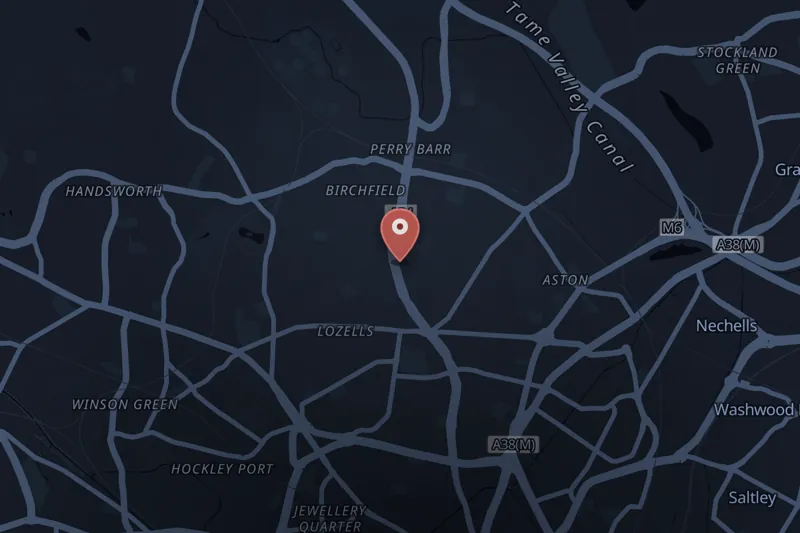
In August 1975, eight-year-old Helen Louise Bailey, of Booths Farm Road, Great Barr, Birmingham, was found dead following a night-long police search. She had last been seen playing near her home on the evening of 10 August 1975, and her body was discovered the following morning by a search party that included her father, in scrubland near the M6 motorway known locally as the "Magic Wood." She was found fully clothed, dressed entirely in blue, which led contemporary media to dub her "Little Girl Blue."
The initial post-mortem, conducted by Home Office pathologist Frederick Griffiths, found a single shallow knife wound to Bailey's throat that had perforated her jugular vein, with no signs of struggle, bruising, or sexual assault. At the original inquest in March 1976, Griffiths testified that the wound could have resulted from an accident or an unintended childish prank, and the jury returned an open verdict. West Midlands Police's initial investigation, which included a search for a "ginger-haired" man seen near the scene, failed to identify a suspect or motive, and the case went cold.
In 2012, West Midlands Police launched a cold case review. Home Office pathologist Nathaniel Cary re-examined the original post-mortem material and concluded that Bailey's death was a "clear case of homicide," finding evidence of two cutting wounds to the throat and petechiae indicating she had been manually strangled before being cut. This led investigators to state they were "absolutely certain" she had been murdered. A further public appeal was made via the BBC's Crimewatch Roadshow in June 2017.
In December 2018, the High Court approved a request to quash the original inquest verdict and hold a fresh inquest, noting that a suspect had given three separate confessions in 1978 and 1979 containing forensic details not publicly known until 2012. That suspect, publicly identified at a May 2019 pre-inquest hearing as prison inmate John Sir (known at the time of Bailey's death as Kenneth Etchells), had lived near where her body was found and had been questioned in 1975 but never charged. Sir was separately serving a life sentence, imposed in 1991, for the attempted murder of his mother, who later died of pneumonia after being injured with a hammer.
At the July 2019 inquest, Sir testified via video-link, admitting he had been in the vicinity of Bailey's death but denying involvement, stating his earlier admissions to psychiatric hospital staff had been fabricated. Pathologist Nathaniel Cary testified that the original examination had failed to identify signs of strangulation. The inquest returned a verdict of unlawful killing, overturning the 1976 open verdict. Coroner Louise Hunt said she would ask the Crown Prosecution Service to reconsider prosecuting the case, but the CPS declined, citing insufficient new evidence for a realistic prospect of conviction. The CPS stated it would review the case again if new evidence emerged. As of the reporting reflected in these sources, Bailey's killing remains officially unsolved and no one has been charged.

 SOLVEDListen