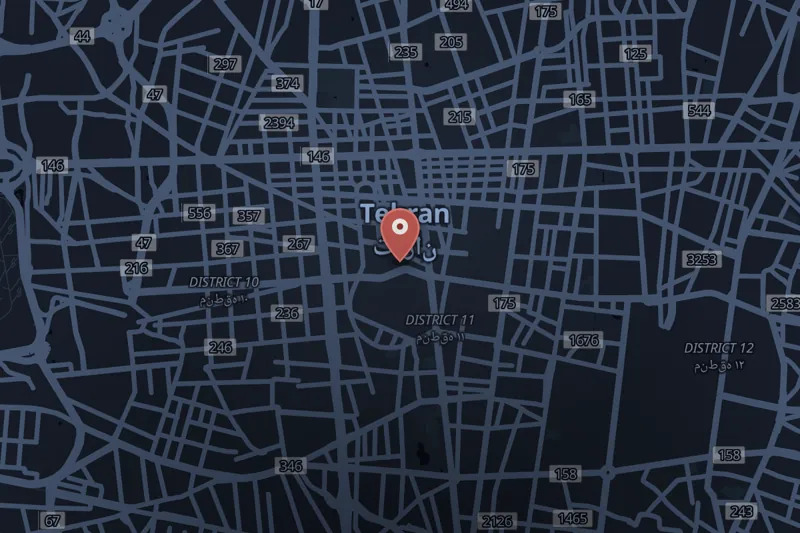
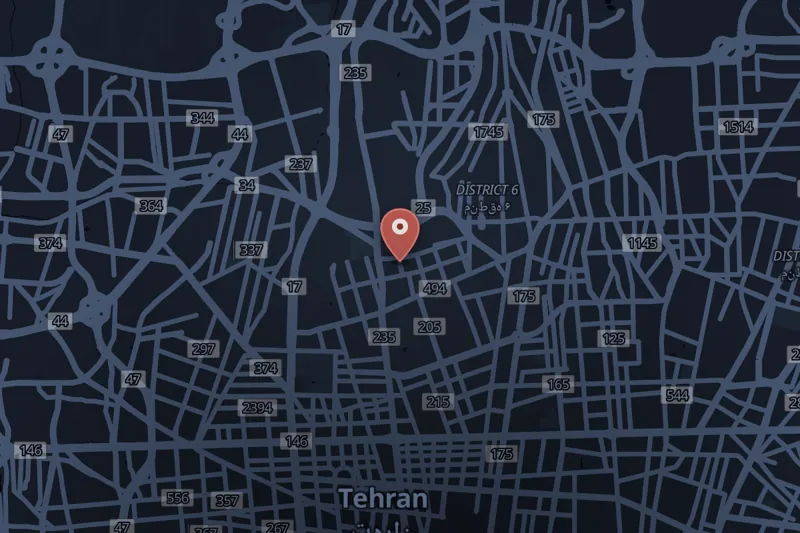
Neda Agha-Soltan (23 January 1983 – 20 June 2009) was an Iranian student of philosophy and aspiring musician from Tehran's Tehranpars district. On the evening of 20 June 2009, she was in her car with her music teacher, Hamid Panahi, on Kargar Avenue in Tehran, on their way to join protests against the disputed outcome of the 2009 Iranian presidential election. Because her car's air conditioning was not working, she got out and stood nearby watching the sporadic protests when she was shot in the chest.
Bystanders captured her collapse on amateur video. A doctor present, later identified as Arash Hejazi, and others from the crowd attempted to help her; witnesses reported her last words, relayed by Panahi, were "I'm burning, I'm burning!" Accounts differ on whether she died at the scene or en route to Tehran's Shariati hospital. Hejazi stated that a Basij militiaman on a nearby rooftop fired the fatal shot; other eyewitnesses gave varying accounts of whether the shot came from the ground or a rooftop. Members of the crowd reportedly detained a man they identified from an ID card as a Basij militiaman, who said "I didn't want to kill her," before he was released; his identity card and photographs were retained.
The footage spread rapidly online, with a #neda hashtag trending on Twitter within a day, and was broadcast by international news networks including CNN, despite state-controlled Iranian media initially not reporting the incident. Time magazine described it as among the most widely witnessed deaths in history, and the video won the 2009 George Polk Award for Videography.
In the aftermath, Agha-Soltan was buried at Behesht-e Zahra cemetery; the government reportedly banned collective mourning prayers for her, dispersed a memorial gathering at a mosque, and pressured the family to remove mourning banners and eventually to vacate their apartment. Iranian officials advanced multiple, shifting explanations for her death, including claims the footage was fabricated by the BBC and CNN, that Western intelligence agencies (including the CIA) were responsible, and that protesters had staged the killing themselves. An arrest warrant was reportedly sought for witness Arash Hejazi. According to The Times, officials also allegedly pressured Agha-Soltan's family and fiancé, Caspian Makan, to falsely attribute the killing to protesters, offering incentives that the family refused. In December 2009, Agha-Soltan's family publicly accused Iranian security forces of killing her, with her father telling the BBC's Persian service that "no one, apart from the government, killed Nedā."
An individual identified in reporting by The Times as Abbas Kargar Javid, a Basij militiaman, was named by opposition sources as the alleged shooter based on circulated photographs of an ID card; he has not been reported as charged or convicted. Her grave was reportedly desecrated in November 2009 and her gravestone portrait shot at in December 2009. The case remains without a legal resolution.

 UNSOLVEDListen