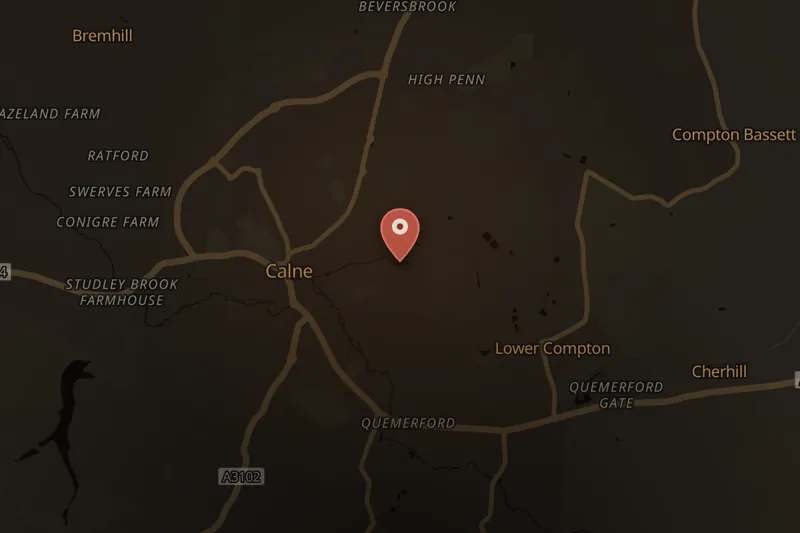
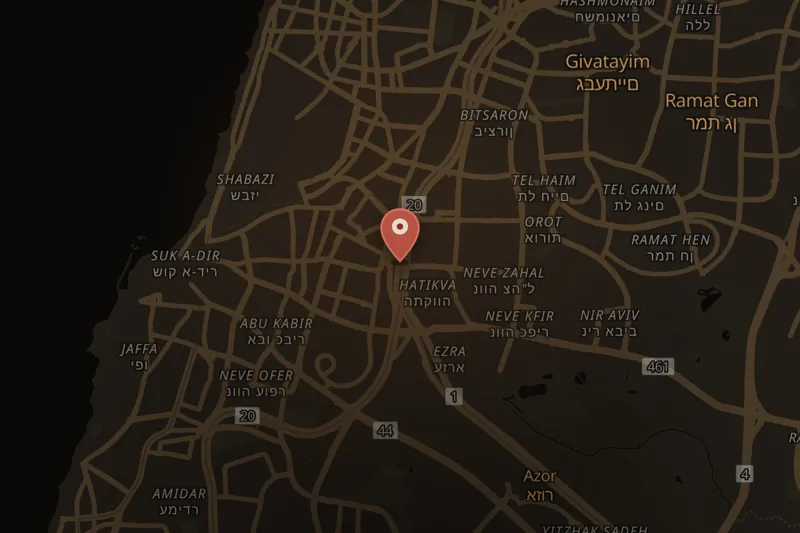
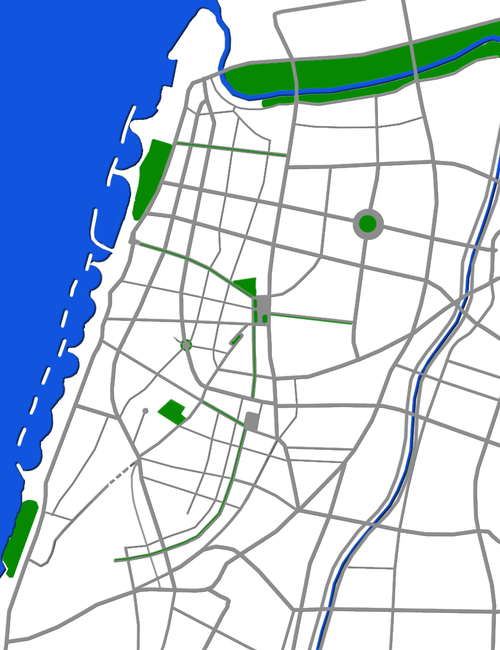
Sergeant Almog Shiloni, a 20-year-old Israel Defense Forces soldier from Modi'in, was stabbed multiple times at the HaHagana Railway Station in southern Tel Aviv on 10 November 2014. Shiloni, who was off-duty but in uniform and armed, was on the phone with his girlfriend when he was attacked by a man who attempted to grab his rifle. A passerby, Gilad Goldman, intervened and fought the assailant to prevent him from taking the weapon; another bystander struck the attacker. Shiloni was stabbed in the stomach and chest several times, suffered massive blood loss, and died of his wounds at Tel HaShomer Medical Center in Ramat Gan. The attacker was chased by bystanders and members of the public directed police to a nearby apartment building where he was found hiding; he was taken into custody and subsequently transferred to Shin Bet security services for interrogation.
The perpetrator was identified as Nur al-Din Abu Khashiyeh, an 18-year-old resident of the Askar refugee camp in the West Bank who had entered Israel illegally the day before the attack, 9 November 2014, and had reportedly been working for months on a nearby Tel Aviv construction project. He was indicted on charges of illegal entry into Israel and of intending to kill Shiloni, take his weapon, and use it to kill additional victims. According to the indictment, he entered Israel intending to kill a soldier in order to "become a martyr." Days after the attack, he walked investigators through his route that day, including where he purchased a knife at a flea market. He was ultimately sentenced to life in prison.
Shiloni served in the IDF's Netzah Yehuda Battalion, was a graduate of the battalion's first Platoon Commanders' Course, and served in its Negev Defenders' section as part of a Nahal Haredi unit. He had a twin brother, Sahar, and more than 1,000 people attended his funeral at Jerusalem's Mount Herzl military cemetery.
The killing was cited in news coverage as part of a wider spate of attacks on Israelis in 2014, sometimes characterized as an incipient intifada, alongside other incidents that year including the killing of Shelly Dadon, the kidnapping and killing of three teenagers, vehicular attacks, an assassination attempt on an Israeli political activist, and a subsequent attack at a Jerusalem synagogue. Hamas leader Husam Badran and Islamic Jihad both praised the attack. Israeli Prime Minister Benjamin Netanyahu convened the Security Cabinet in response, redirected troops to active duty, and accused Palestinian Authority President Mahmoud Abbas of incitement. The attack also prompted Israeli political calls to restrict work permits for illegal Palestinian migrants. The United States condemned the stabbing.


 Credit: User:SambachCC BY-SA 2.5SourceSOLVEDListen