Overview
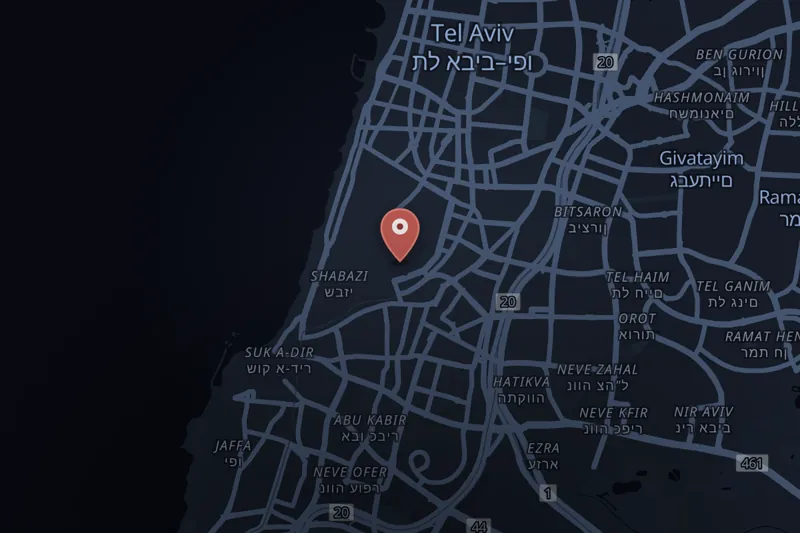
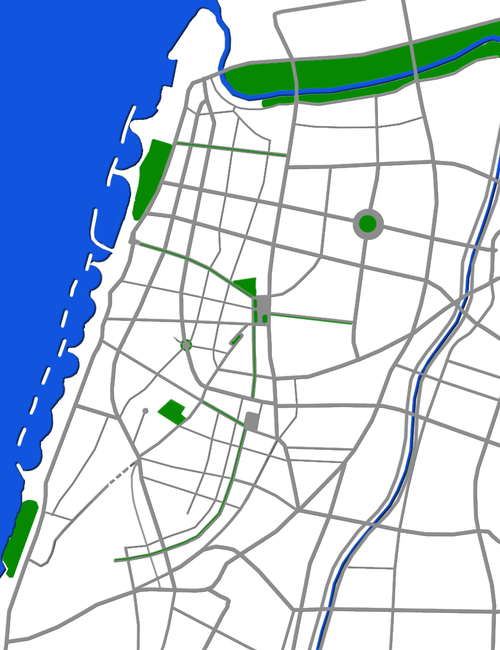
Shortly before 1:00 p.m. on Thursday, 19 September 2002, a Palestinian suicide bomber detonated an explosive device at the front of a crowded Dan commuter bus (route No. 4) as it travelled along Allenby Street in the heart of Tel Aviv's business district, in front of the Great Synagogue of Tel Aviv. Six people were killed and approximately 70 were injured in the attack. The Palestinian Islamist militant organization Hamas claimed responsibility for the bombing.
Victims and organ donation
Among those killed was Yoni Jesner, a Jewish teenager who attended the Har Etzion yeshiva in Gush Etzion. Jesner sustained a critical head injury in the attack; his parents subsequently consented to withdrawing life support and donating his organs. One of his kidneys was transplanted into Yasmin Abu Ramila, a seven-year-old Palestinian girl from East Jerusalem. The surgery was reported as successful, with Yasmin said to have a good chance of a normal life. The circumstances of an Israeli victim's organ being donated to a Palestinian child on the opposite side of the conflict received wide media attention.
Israeli retaliation
The Israeli government accused Yasser Arafat and the Palestinian leadership of involvement in the broader campaign of militancy known as the Second Intifada and in illegal arms trafficking. Following an emergency meeting of the Israeli security cabinet convened after the bombing, Israel launched a military operation in the West Bank in which tanks and armored vehicles besieged Arafat's compound (the Mukataa) in Ramallah. The siege continued for close to two years, until Arafat's departure to a hospital in Paris in October 2004. Much of the Mukataa compound was destroyed by the Israel Defense Forces during the siege.
Official reactions
Israeli officials said the attack showed that the Palestinian leadership remained unable or unwilling to restrain militants attacking Israeli targets. Palestinian National Authority officials condemned the attack and called on all Palestinian factions to denounce it. A Hamas spokesman, Ismail Abu Shanab, said he expected further "operations against the Zionist enemy" in response to what he described as "daily brutal crimes against our people."
Internationally, US President George W. Bush condemned the attack at a meeting in the Oval Office, stating that "all parties must do everything they can to reject and stop violence." European Union officials called on Israel to show restraint, cautioning that a harsh Israeli reprisal could undermine efforts to reform the Palestinian National Authority and secure a ceasefire.