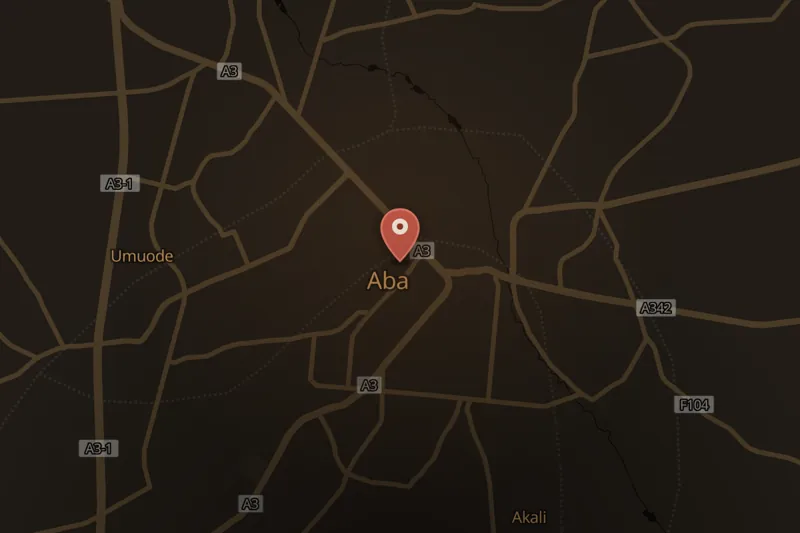
The killing of twins was a documented cultural practice among some ethnic groups in Nigeria, most prominently the Igbo and the Efik peoples. Twin births were widely regarded as a bad omen believed capable of bringing calamity upon a family or community. Twin infants were often perceived as not fully human, and their birth was attributed to a mother's grievous sin or to one father being an evil spirit. Among the Igbo in particular, twin babies were frequently abandoned in so-called "evil forests," dense uninhabited rainforest areas that over time acquired spiritual significance as sources of negative omens.
The practice and its underlying beliefs were not uniform across Nigeria. The Yoruba people, by contrast, came to regard twins ("Ibeji" in the Yoruba language) as possessing supernatural powers capable of increasing a family's wealth, and treated them with honor; when a twin died, families would commission an Ibeji statue to be cared for as though it were a living child. Scholarship cited in the record, including work by T. J. H. Chappel, suggests that this Yoruba reverence for twins may be a comparatively recent development, with earlier historical accounts indicating that twin infanticide, and in some cases the killing of the mother, was practiced throughout much of Yorubaland, and that in some areas twin births remained unwelcome into more recent times. Twin killing was also documented as a common practice among the Ibibio people during the 19th century. Geographically, the practice and associated beliefs were most documented in Nigeria's South South, South West, and South East regions, with the South East considered the "core Igbo heartland" of the taboo.
A significant intervention against the practice came from Mary Slessor, a Scottish missionary assigned to Efik territory in Calabar in 1876 at age 28. Slessor worked to educate local communities about twin births and to dispel the associated taboo, personally adopting abandoned twin infants — eventually taking in eight children — and caring for them at a mission house. In 1892 she was appointed vice-consul of the Okoyong territory by British Consul-General Major Claude MacDonald. By 1915, sources indicate twins and their mothers were reported to be largely integrated into their communities.
Later research sought to assess whether attitudes had genuinely shifted. In response to rumors of continuing abuse, a survey was conducted from January to June 1991 among the Efik, Ibibio, and Annang peoples regarding attitudes toward twins and their mothers. A majority of women surveyed said they would be happy to have twins, while 8.9% of respondents still considered twins taboo. Although twin killing continues to be reported in some remote areas, this is sometimes dismissed as myth, and in the 21st century it is believed that killing of twins as a form of sacrifice may still occur among communities within Nigeria's Federal Capital Territory.



 UNSOLVEDListen