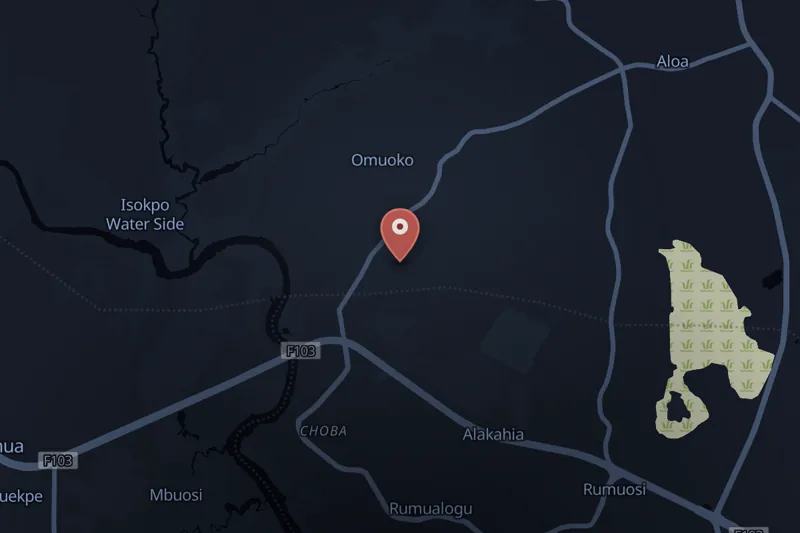
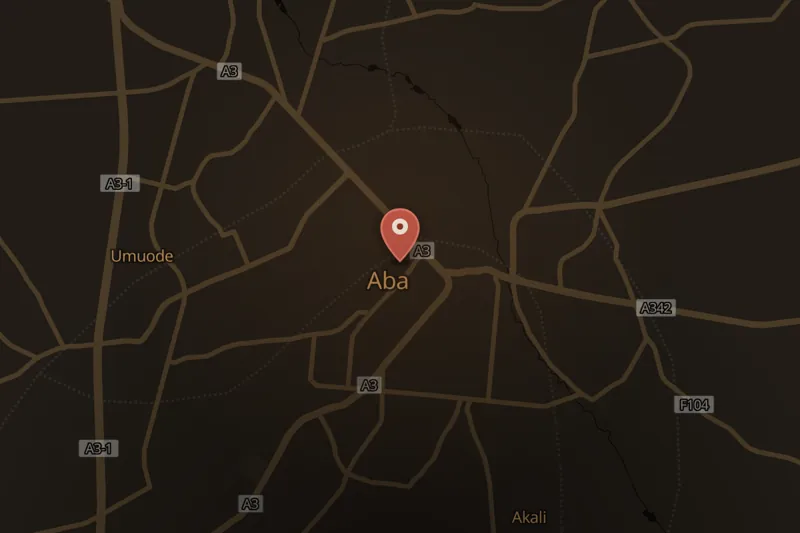
On 30 May 2024, an armed attack occurred in Aba, Abia State, Nigeria, resulting in the deaths of at least 11 people. The attack took place against a backdrop of conflicting sit-at-home orders issued by the Indigenous People of Biafra (IPOB) and the Biafra Republic Government in Exile (BRGIE), both organizations calling for observances to commemorate deceased Biafran Heroes and Heroines.
The attack occurred at a military checkpoint at Obikabia Junction, where approximately 15 unknown gunmen assaulted soldiers of the Nigerian Army. Five soldiers and six civilians were killed on the spot, and one civilian was injured by a stray bullet. An eyewitness reported that the gunmen used cars with tinted windows to catch the soldiers off guard. Patrol vehicles were burned during the attack, and weapons belonging to the slain soldiers were taken by the attackers. Initial reports had indicated one soldier sustained serious injuries, but later reports confirmed that soldier's death, raising the confirmed military death toll to five.
This attack followed an earlier incident on 17 May 2024, in which gunmen attacked Nigerian Army personnel at an outpost in the Milverton area of Aba, killing two soldiers and one civilian. Abia State Governor Alex Otti condemned that earlier attack and met with Army officials.
In response to the 30 May attack, Governor Otti placed a 25 million naira reward for information leading to the perpetrators, later increased to 30 million naira on 7 June. The Nigerian Defence Headquarters, through Director of Defence Media Operations Major General Edward Buba, threatened fierce reprisals against those responsible. President Bola Tinubu characterized the incident as a treasonable offense and threatened military action. Simon Ekpa, Prime Minister of the BRGIE, responded by stating that Tinubu had no legitimacy over Biafra and threatened that his organization would respond to Nigerian security agencies.
In the aftermath, Aba residents began fleeing their homes on 3 June out of fear of military reprisal, while others remained indoors. Soldiers were observed to have deserted checkpoints at several junctions in Abia State. The Nigerian Army reportedly raided communities and arrested and assaulted residents in the search for perpetrators. On 5 June, the Army denied allegations, raised by Simon Ekpa, that it had committed retaliatory mass killings. The Defence Headquarters later stated that more than 100 people had been arrested as part of the investigation.
On 6 June, the Nigerian House of Representatives ordered the Armed Forces to conduct a thorough investigation to identify the gunmen. Governor Otti urged the Army not to punish innocent people during the investigation. On 7 June, the Abia State Government said credible information regarding the perpetrators' identities was being received. As of the available reporting, no individuals had been publicly charged in connection with the killings.

 UNSOLVEDListen