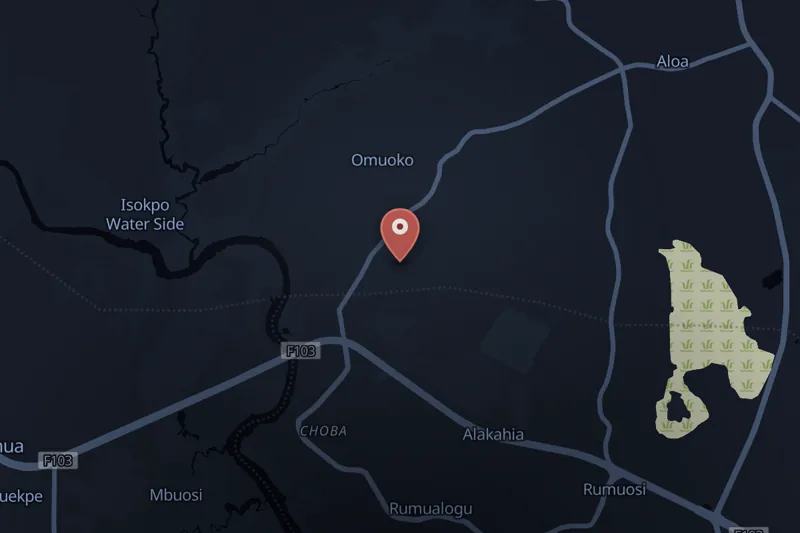
On 5 October 2012, four students of the Department of Geology at the University of Port Harcourt — Ugonna Obuzor, Lloyd Toku, Chiadika Biringa, and Tekena Elkanah — were killed by a mob in Aluu, a community in the Ikwerre local government area of Rivers State, Nigeria. The four men, who were friends and occasional roommates, reportedly went to the home of a debtor known as Bright around midnight, carrying an axe, a pen knife, a cutlass, and a gun intending to scare him into repaying a debt owed to Ugonna. A confrontation allegedly followed, during which Bright began screaming that the men were attempting to steal laptops and mobile phones. This drew the attention of a community vigilante group and a crowd, who chased the four students through the streets with sticks and stones before catching them.
The students were stripped, beaten, tortured, and killed while a crowd that reportedly included Nigerian police officers watched. No bystanders, including police present, intervened to stop the killings. A sister of Tekena Elkanah attempted to intervene, telling the crowd of the men's innocence, but was overpowered and told to flee; she contacted family and police, but assistance arrived too late. The killing was filmed on a mobile phone and the footage was later uploaded online.
The video, reported as three to five minutes long, went viral, generating widespread condemnation. Nigeria's Senate condemned the community members involved in carrying out the killings without trial. Students at the University of Port Harcourt protested and rioted, damaging property in the area where the lynching occurred. The case drew significant national and international attention to the practice of "jungle justice," or mob justice, in Nigeria.
Several people were arrested in connection with the killings. On 31 July 2017, the Rivers State High Court sentenced police sergeant Lucky Orji, David Chinasa Ogbada, and Ikechukwu Louis Amadi (also known as Kapoon) to death for their roles in the murders. The same court acquitted four other suspects: Saviour Johnny, Abiodun Yusuf, Joshua Ekpe, and Cyril Abang.
The case later inspired cultural works, including the 2023 Netflix film "Dark October," directed by Toka Mcbaror and produced by Linda Ikeji, and a fictionalized depiction in Femi Kayode's 2021 novel "Lightseekers," which portrays the murder of three students in a Nigerian university town.

 UNSOLVEDListen