Documents violence · domestic violence — written to inform, not to shock.

On 19 March 2015, Farkhunda Malikzada, a 27-year-old Afghan woman who had just completed a degree in Islamic studies, was killed by a mob in Kabul, Afghanistan. The incident began after she argued with a local cleric, Zainuddin, who sold amulets outside the Shah-Do Shamshira Mosque, where Farkhunda worked as a religious teacher. Zainuddin publicly accused her of burning the Quran, a charge she denied. The accusation drew a large crowd, which dragged her into the street, beat her, and eventually killed her. Police attempted to intervene, including trying to move her to a police station and onto the mosque roof, but she fell into the crowd and was fatally beaten, run over by a car that dragged her body nearly 100 metres, and then set on fire near the Kabul River after being further stoned. Witnesses reported the mob shouted the takbir and anti-American slogans during the killing, accusing her of working with Americans or a foreign embassy.
In the immediate aftermath, public and official reaction in Afghanistan was largely hostile to Farkhunda, with some officials and clerics stating she had desecrated Islam. A police investigation later determined that she had not burned the Quran, prompting public outrage, mass protests in Kabul, and a shift in public opinion in her favor. Her funeral on 22 March, attended by women carrying her coffin, marked a departure from typical funeral customs in the country.
An investigation led to 49 arrests. On 5 May 2015, a Kabul court convicted several defendants: four men were initially sentenced to death, eight others received 16-year prison terms, and eleven police officers were later sentenced to one year in prison for failing to protect her. On 2 July 2015, an appeals court overturned the four death sentences, reducing three to 20 years and one—for a man who had falsified his birth certificate to claim minor status—to 10 years. The police chief and a shrine caretaker were acquitted. A subsequent review of the case, commissioned by President Ashraf Ghani, recommended retrial, and in 2016 an Afghan civil society organization called for greater transparency in the Supreme Court's handling of the case.
The killing was condemned internationally by the United States and the European Union, both of which called for accountability. It drew renewed global attention to violence against women and women's rights in Afghanistan. Later in 2015, the Solidarity Party of Afghanistan sponsored construction of a memorial to Farkhunda in Kabul, and a portion of the road near the murder site was renamed in her honor by the Afghan government.

Key facts
- Victims
- Farkhunda Malikzada
- Date
- 2015
- Location
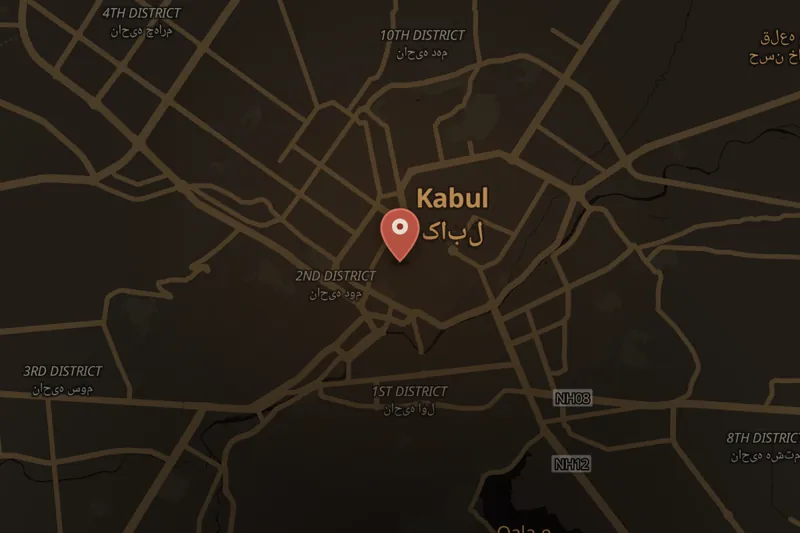
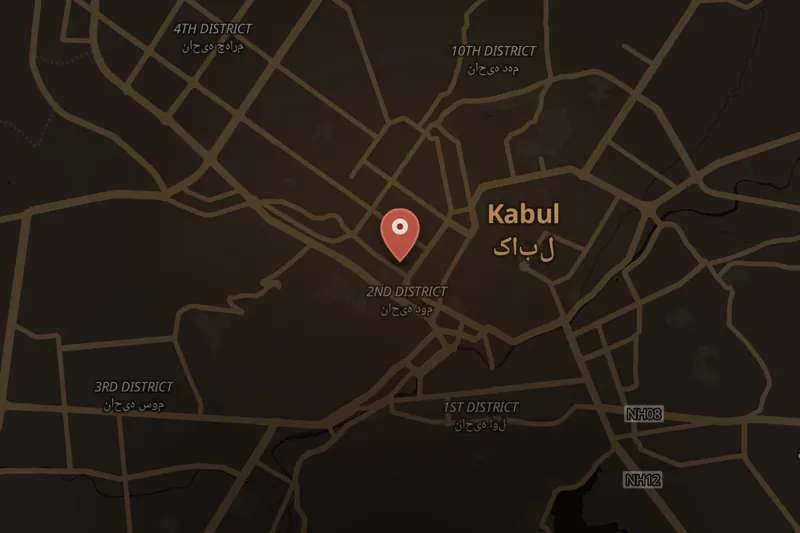
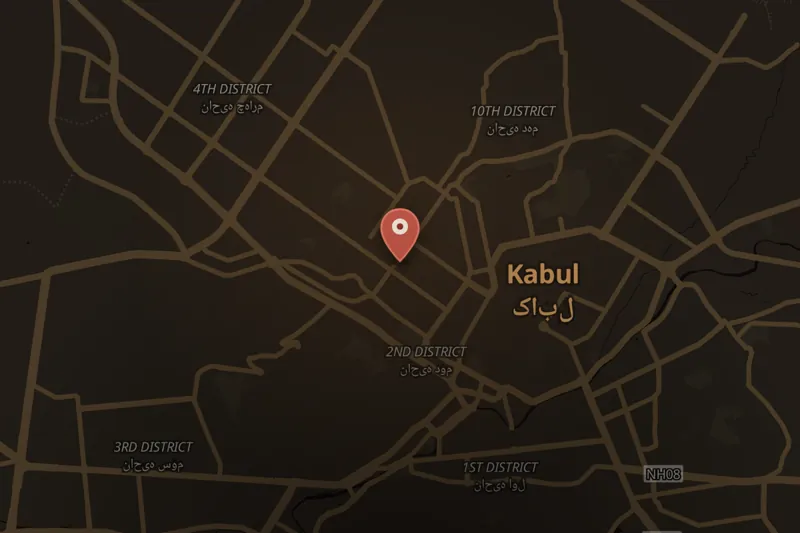
- Kabul, Afghanistan
- Case status
- solved
Case timeline
2015-03-19
Farkhunda Malikzada is falsely accused of burning a Quran and is beaten, run over, and burned by a mob near the Shah-Do Shamshira Mosque and the Kabul River.
2015-03-22
Farkhunda's funeral is held; women carry her coffin, a departure from typical funeral customs.
2015-03-23
Hundreds of protesters, organized in part by the Solidarity Party of Afghanistan, demonstrate in Kabul demanding prosecution of those responsible.
2015-03-24
Thousands protest in front of the Afghan Ministry of Justice in Kabul.
2015-04-27
Actress Leena Alam and co-actors publicly re-enact the attack during a Kabul protest.
2015-05-05
Judge Safiullah Mojadedi hands down initial sentences: four men sentenced to death and eight to 16 years in prison.
2015-05-19
Eleven police officers, including the local district police chief, are sentenced to one year in prison for failing to protect Farkhunda.
2015-07-02
An appeals court overturns the four death sentences, reducing three to 20 years and one to 10 years; the police chief and a shrine caretaker are acquitted.
2015-08
A panel of lawyers appointed by President Ashraf Ghani plans to recommend to the Supreme Court that the accused be retried.
2016-03-19
The Women's Political Participation Committee calls for reevaluation of the Supreme Court's decisions with greater transparency.
Best coverage
No approved coverage links are attached yet.
People
Zainuddin
CONVICTEDCleric who accused Farkhunda of burning the Quran; convicted, initially sentenced to death, later reduced on appeal to 20 years in prison.
citation on file
Sharaf Baghlani
CONVICTEDNational Directorate of Security agent who claimed to have delivered the fatal blow; initially sentenced to death, later reduced on appeal to 20 years in prison.
citation on file
Abdul Basheer
CONVICTEDDrove the vehicle that ran over Farkhunda; initially sentenced to death, later reduced on appeal to 20 years in prison.
citation on file
Muhammad Yaqoub
CONVICTEDFilmed throwing a large rock at Farkhunda; claimed to be a minor at the time and was sentenced to 10 years in prison.
citation on file
Farkhunda Malikzada
VICTIM27-year-old Afghan woman killed by a mob after being falsely accused of burning a Quran.
citation on file
Places
Common questions
- What happened to the victim?
- Farkhunda Malikzada, a 27-year-old Afghan woman, was falsely accused of burning a Quran and was beaten, run over, and burned by a mob in Kabul on 19 March 2015. The false accusation was later disproved, sparking nationwide protests and a trial in which multiple men and police officers were convicted.
- Where did the murder happen?
- Kabul, Afghanistan.
- Who was convicted?
- Zainuddin (Cleric who accused Farkhunda of burning the Quran; convicted, initially sentenced to death, later reduced on appeal to 20 years in prison.), Sharaf Baghlani (National Directorate of Security agent who claimed to have delivered the fatal blow; initially sentenced to death, later reduced on appeal to 20 years in prison.), Abdul Basheer (Drove the vehicle that ran over Farkhunda; initially sentenced to death, later reduced on appeal to 20 years in prison.), and Muhammad Yaqoub (Filmed throwing a large rock at Farkhunda; claimed to be a minor at the time and was sentenced to 10 years in prison.).
- What is the current status of the case?
- Status: solved.
Sources
- Murder of Farkhunda Malikzadawikipedia · Wikipedia · 2026-07-07
- Contemporaneous coverage — The New York Timesnews · The New York Times · 2026-07-07
- Contemporaneous coverage — BBC Newsnews · BBC News · 2026-07-07