Between 30 August 2015 and 9 February 2016, the South-East Based Coalition of Human Rights Organizations (SBCHROs) estimated that about 80 members and supporters of the pro-Biafra Indigenous People of Biafra (IPOB) movement were killed by Nigerian security operatives during demonstrations demanding the restoration of Biafran sovereignty. These protests, led by several separatist movements, took place across the southeastern parts of Nigeria, a region where residents reportedly faced conditions likened to a police state.
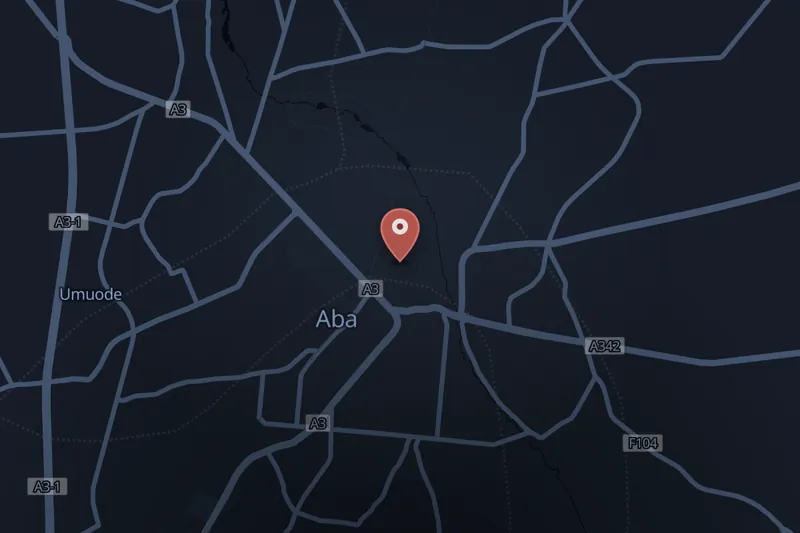
Among the most notable incidents was a protest in Onitsha on 2 December 2015, where approximately 11 people died, including two policemen and nine activists. In Aba on 9 February 2016, six IPOB members were allegedly killed by Nigerian security forces, with around 20 others arrested. IPOB separately claimed that Nigerian soldiers clandestinely killed and burned the corpses of Biafran activists in another incident in Aba. Members of the Igbo ethnic group, prominent in the secessionist agitation, were also targeted; on 23 December 2015, many Igbo travelers returning home for Christmas were detained for hours during a stop-and-search operation on the Onitsha Niger River Bridge, causing a gridlock lasting up to twelve hours.
The Nigerian military and federal government denied engaging in these acts. On 24 November 2016, Amnesty International accused Nigerian security forces of killing at least 150 peaceful Biafra secession advocates, stating that the military fired live ammunition with little or no warning to disperse IPOB members between August 2015 and August 2016. The military and police dismissed these allegations as an attempt to tarnish the security forces' reputation.
A further escalation occurred on 30 May 2016 during Biafra Day demonstrations commemorating the 1967 declaration of Biafran independence. Protests turned violent in several southeastern cities as security forces clashed with pro-Biafra groups. Local media, citing eyewitnesses, reported that 40 people were killed and over 50 pro-Biafra members arrested in Onitsha. According to one eyewitness, the violence began around 3 a.m. when security forces entered the grounds of a Catholic church in Nkpor Agu, near Onitsha, where pro-Biafra demonstrators were camped, and allegedly opened fire, killing an estimated five civilians and injuring ten others. A further 35 deaths were recorded in subsequent security force operations against pro-Biafra members in the city. The International Society for Civil Liberties and the Rule of Law stated its investigation found that security operatives shot and killed victims, then collected and buried the corpses in unknown locations. The Nigerian Army issued a statement asserting it acted in response to "widespread panic, tension and apprehension" generated by MASSOB and IPOB activities. A separate Amnesty International report accused the Nigerian military of killing at least 17 unarmed Biafran separatists in Onitsha ahead of the 30 May 2016 march.
The events drew domestic and international reactions, including from Harriet Harman, former Deputy Leader of the British Labour Party; Amnesty International; the European Union's Federica Mogherini; Nigerian Deputy Senate President Ike Ekweremadu; and former Nigerian Vice President Atiku Abubakar.

 UNSOLVEDListen