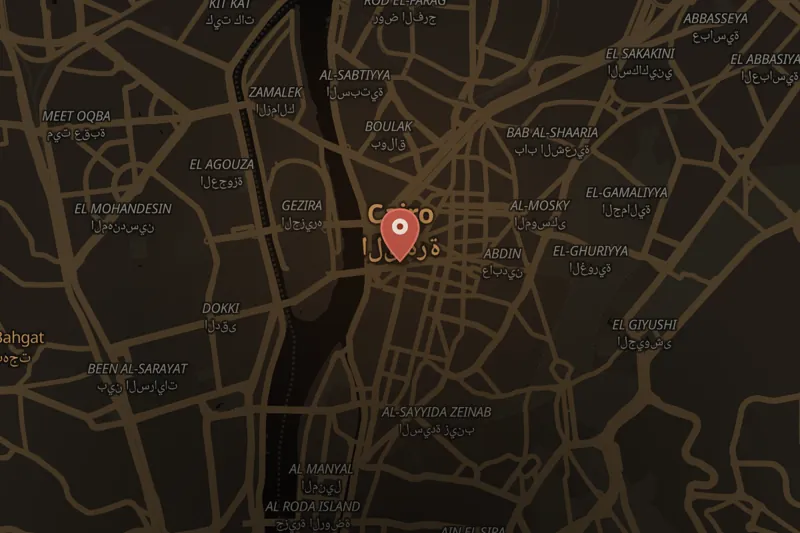
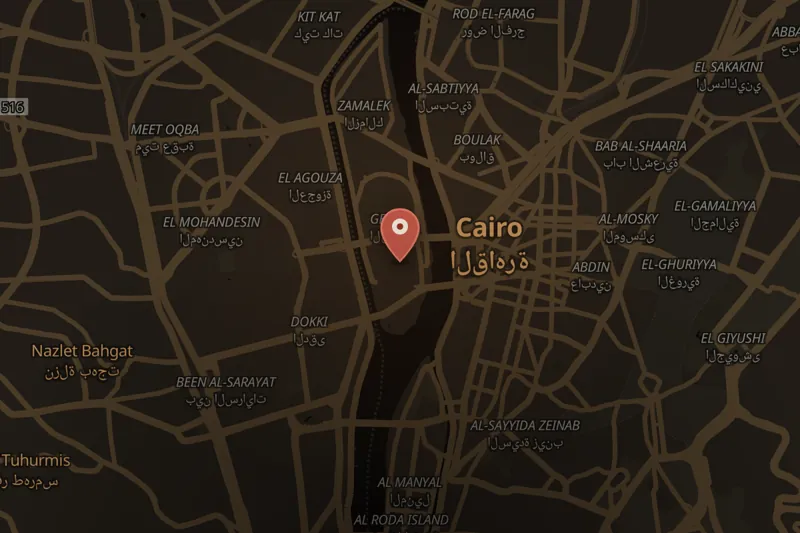
In October 2011, demonstrations began in Cairo, dominated by Egyptian Copts, following the demolition of a church in Upper Egypt that authorities claimed had been built without proper licensing. The protests were triggered by a chain of events in Aswan, where the local governor, Mustafa Kamel el-Sayyed, initially denied the church's existence after its destruction and later stated its construction had been illegal. Reports indicate that extremist followers of a Salafist Islamic sect had earlier pressured the Christian congregation in Aswan to remove loudspeakers and limit visible Christian symbols such as crosses, and that a meeting between Salafist and Coptic leaders failed to resolve the dispute before the church was destroyed.
A march set out from the Shubra neighborhood of Cairo toward the Maspero television building, with reporters describing it as comparable in size to the 28 January 2011 protests. Marchers were reportedly also angered by an injury sustained by a Christian priest during an earlier, smaller demonstration at Maspero. As the protest began, a state television anchor urged citizens to go "protect" the military, a broadcast statement documented in the source record.
According to witness and reporting accounts, army and security forces used violence against the demonstrators both before and after they reached Maspero, including gunfire and the throwing of rocks. At Maspero itself, witnesses reported armored personnel carriers driving into protesters and soldiers firing into the crowd, followed by riot police deploying tear gas; these events were captured on video and broadcast internationally. Death tolls in reporting ranged between 24 and 27, with more than 300 people injured, the majority of the dead and injured being Coptic civilians.
State television initially reported that three soldiers had been killed and called on citizens to protect the military from what it described as a "violent crowd of Copts," also referencing unspecified "foreign infiltrators." A later broadcast described a two-sided "conflict," but Egypt's Department of Health subsequently stated there had been no military deaths, attributing all bodies to civilian protesters.
The Egyptian military's official account stated that protesters had first attacked army personnel, killing three police officers, and that soldiers had responded with blank cartridges; the military said panicked personnel accidentally struck some protesters while driving off after being pulled from vehicles. Human rights organizations characterized the military's version of events as partial. Some international outlets initially reported the military's account. Egypt's Minister of Information attributed state media's reporting to "emotional distress." The military council called for a civilian-led investigation and named 15 suspects for trial in military courts. Human Rights Watch stated that the military's continued role in investigating a case in which it was implicated suggested the inquiry would be flawed. The Ministerial Cabinet announced intentions to amend laws on the construction of houses of worship and strengthen anti-discrimination measures, though local human rights activists expressed doubt about follow-through, noting that similar promises after past incidents had not resulted in changed laws.

 Credit: Keystone picturesPublic domainSourceSOLVEDListen