Casepin
Back to cases

Case file

Assassination of Anwar Sadat

Documents violence — written to inform, not to shock.

Illustrative

Overview

On 6 October 1981, Anwar Sadat, President of Egypt, was assassinated during the annual victory parade in Cairo held to commemorate the eighth anniversary of Egypt's crossing of the Suez Canal in the Yom Kippur War. The attack was carried out by members of Egyptian Islamic Jihad, an Islamist militant group. While motives have been debated by historians, the assassination is widely attributed to opposition among Islamic nationalists, anti-imperialists, and pro-Palestinian groups to Sadat's peace initiative with Israel and the United States under the Camp David Accords.

Background

The 1979 Egypt–Israel Peace Treaty was highly controversial in the Arab world; Egypt's Arab League membership was suspended until 1989. Egyptian Islamist groups, including Egyptian Islamic Jihad and al-Jama'a al-Islamiyya, felt betrayed by Sadat and called for his overthrow and the establishment of an Islamic theocracy. Following a failed military coup in June 1981, Sadat ordered a crackdown that in September 1981 saw more than 1,500 people arrested, including Islamic Jihad members, Coptic clergy, and other activists. This roundup missed the military cell led by Lieutenant Khalid Al-Islambuli, which went on to carry out the assassination. The overall plot was led by Muhammad Abd al-Salam Faraj, a civilian engineer and Islamic Jihad member; an alternative account attributes planning to a different group, al-Jama'a al-Islamiyya.

The Assassination

During the parade, as Egyptian Air Force jets flew overhead as a distraction, a truck in the procession carrying the assassination squad stopped near the reviewing stand. Al-Islambuli approached Sadat, who reportedly believed the men were part of the ceremonial display, and threw grenades before he and other assassins opened fire into the stands. The attack lasted about two minutes. Sadat and ten others were killed, including senior military officers, a presidential photographer, foreign dignitaries, and a Coptic Orthodox bishop. Twenty-eight others were wounded, including then–Vice President Hosni Mubarak. Sadat died approximately two hours later at a military hospital from internal bleeding and shock.

Aftermath

An associated insurrection occurred in Asyut, where rebels briefly held security headquarters before being suppressed, with six attackers and 68 security personnel killed. Reactions across the Islamic world were often approving of the assassination, reflecting anger over the peace treaty with Israel. Hosni Mubarak was sworn in as president on 14 October 1981 and would remain in office until 2011. Sadat's funeral drew numerous world leaders, including three former U.S. presidents and Israeli Prime Minister Menachem Begin.

Legal Outcome

By April 1982, 19 people were tried for the assassination; 17 were jailed and two acquitted. Five defendants, including Al-Islambuli and plot leader Muhammad Abd al-Salam Faraj, were sentenced to death and executed on 15 April 1982.

Key facts

Victims
Khalfan Nasser Mohammed, Anwar Sadat, Zhang Baoyu, Mohammed Yousuf Rashwan, Anba Samuel, Saeed Abdel Raouf Bakr, Hassan Allam, Samir Helmy Ibrahim
Date
1981
Location
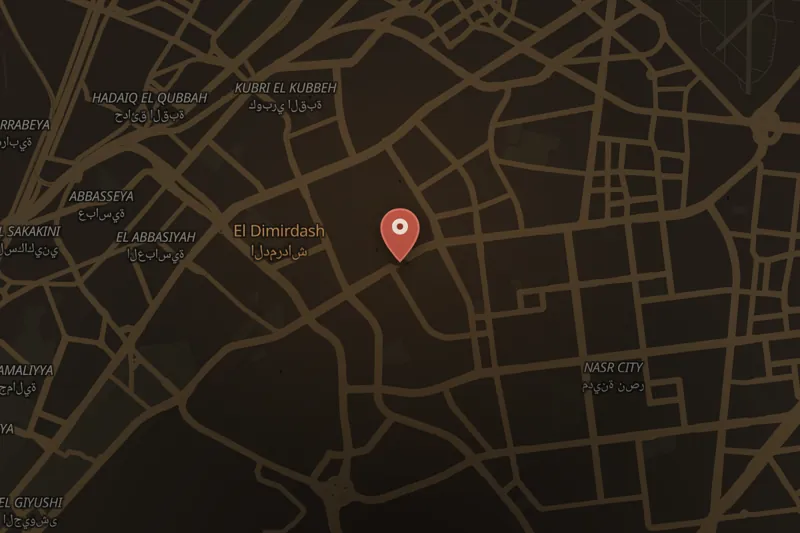
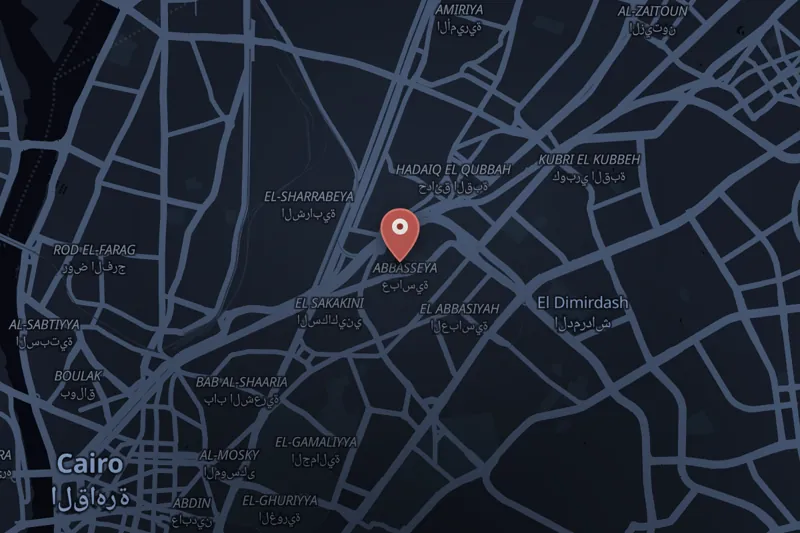
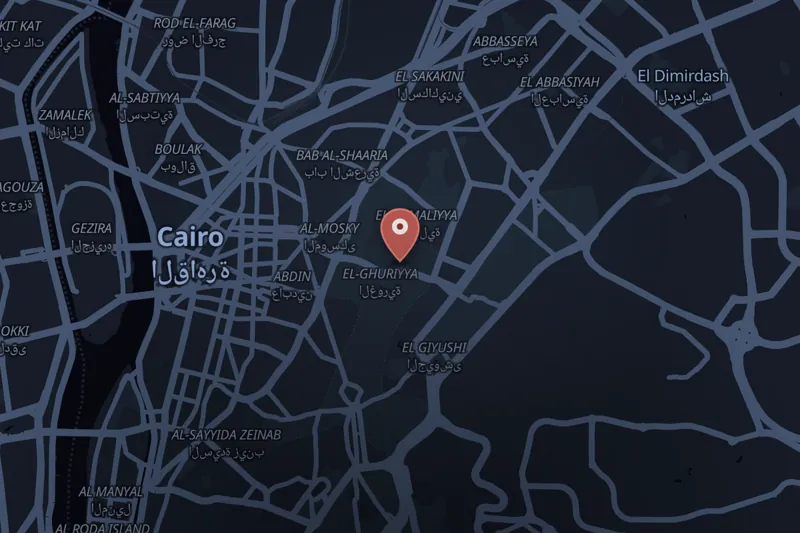
Cairo, Egypt (site of the assassination during the annual victory parade)
Case status
solved

Case timeline

  1. 1979

    Egypt and Israel sign a peace treaty, provoking widespread anger among Arab nations and Egyptian Islamist groups.

  2. 1981-02

    Egyptian authorities learn of Islamic Jihad's plans after arresting an operative carrying key information.

  3. 1981-06

    A failed military coup prompts Sadat to order a major crackdown on opposition figures.

  4. 1981-09

    Sadat orders a roundup of more than 1,500 people, including Islamic Jihad members and Coptic clergy; the assassination cell is not discovered.

  5. 1981-10-06

    Anwar Sadat is shot and fatally wounded during a military parade in Cairo; ten others are killed and 28 wounded.

  6. 1981-10-14

    Vice President Hosni Mubarak is sworn in as President of Egypt.

  7. 1982-04

    Nineteen people are tried for the assassination; 17 are jailed and two acquitted.

  8. 1982-04-15

    Khalid Al-Islambuli, Muhammad Abd al-Salam Faraj, and three others are executed for the assassination.

Best coverage

No approved coverage links are attached yet.

People

  • Khalid Al-Islambuli

    CONVICTED

    Lieutenant who led the assassination squad; convicted and executed on 15 April 1982

    citation on file

  • Muhammad Abd al-Salam Faraj

    CONVICTED

    Civilian engineer and Egyptian Islamic Jihad member who led the assassination plot; convicted and executed on 15 April 1982

    citation on file

  • Khalfan Nasser Mohammed

    VICTIM

    General from the Omani delegation, killed in the attack

    citation on file

  • Anwar Sadat

    VICTIM

    President of Egypt, killed in the attack

    citation on file

  • Abdel-Hamad Abdel-Salem Abdel-Aal

    CONVICTED

    Civilian member of the assassination squad; convicted and executed on 15 April 1982

    citation on file

  • Zhang Baoyu

    VICTIM

    Chinese military-affiliated aerospace engineer killed in the attack

    citation on file

  • Mohammed Yousuf Rashwan

    VICTIM

    Presidential photographer killed in the attack

    citation on file

  • Anba Samuel

    VICTIM

    Coptic Orthodox bishop killed in the attack

    citation on file

  • Hussein Abbas Mohammed

    CONVICTED

    Sergeant and member of the assassination squad; convicted and executed on 15 April 1982

    citation on file

  • Saeed Abdel Raouf Bakr

    VICTIM

    Killed in the attack

    citation on file

  • Hassan Allam

    VICTIM

    Major General killed in the attack

    citation on file

  • Atta Tayel Hemeida

    CONVICTED

    Civilian member of the assassination squad; convicted and executed on 15 April 1982

    citation on file

  • Hosni Mubarak

    LAW ENFORCEMENT

    Vice President of Egypt, wounded in the attack; sworn in as President on 14 October 1981

    citation on file

  • Samir Helmy Ibrahim

    VICTIM

    Engineer killed in the attack

    citation on file

Places

Common questions

What happened to the victim?
On 6 October 1981, Egyptian President Anwar Sadat was shot and killed by members of Egyptian Islamic Jihad during a military parade in Cairo commemorating the 1973 Yom Kippur War. Ten others died and 28 were wounded. The lead assassin and four co-conspirators were tried, convicted, and executed in 1982.
Where did the crime happen?
Cairo, Egypt (site of the assassination during the annual victory parade).
Who was convicted?
Khalid Al-Islambuli (Lieutenant who led the assassination squad; convicted and executed on 15 April 1982), Muhammad Abd al-Salam Faraj (Civilian engineer and Egyptian Islamic Jihad member who led the assassination plot; convicted and executed on 15 April 1982), Abdel-Hamad Abdel-Salem Abdel-Aal (Civilian member of the assassination squad; convicted and executed on 15 April 1982), Hussein Abbas Mohammed (Sergeant and member of the assassination squad; convicted and executed on 15 April 1982), and Atta Tayel Hemeida (Civilian member of the assassination squad; convicted and executed on 15 April 1982).
What is the current status of the case?
Status: solved.

Sources

  1. Assassination of Anwar Sadatwikipedia · Wikipedia · 2026-07-07
  2. Contemporaneous coverage — The New York Timesnews · The New York Times · 2026-07-07
  3. Contemporaneous coverage — BBC Newsnews · BBC News · 2026-07-07