Skip to content
Casepin

Solved case · 1988

Assassination of Khalil al-Wazir

Also known as Abu Jihad

SOLVED
Updated
Updated Jul 7, 2026
Khalil al-Wazir houseKhalil al-Wazir houseCredit: أحمد البيقاويCC BY 3.0Source

The short answer

Assassination of Khalil al-Wazir in brief

Palestinian Fatah co-founder and PLO military commander Khalil al-Wazir (Abu Jihad) was killed by Israeli commandos in a Mossad-led raid on his home in Tunis on 16 April 1988.

Key facts

Year
1988
Place
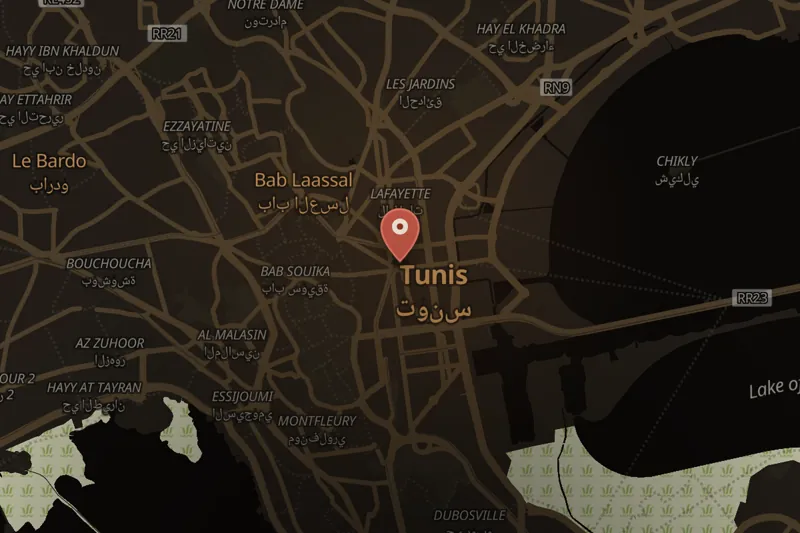
Tunis, Tunisia
Status
SOLVEDSolved
Victim
Khalil al-Wazir
Outcome
No conviction on file

The coverage index

Where to watch & listen

No one's coverage is attached to this file yet.

Know great coverage of this case?

A documentary, a podcast episode, a careful long-form video. Suggest it and an editor will review it before it appears here.

Suggest coverage for Assassination of Khalil al-Wazir

The case file

What happened

Khalil Ibrahim al-Wazir, known by his kunya Abu Jihad, was a Palestinian leader and co-founder of Fatah who served as a top aide to PLO Chairman Yasser Arafat and commanded Fatah's armed wing, al-Assifa. Born in Ramla in 1935, al-Wazir became a refugee after his family was expelled during the 1948 Arab–Israeli War and settled in the Bureij refugee camp in the Gaza Strip. Over subsequent decades he held senior military and political roles within Fatah and the PLO, including organizing arms supplies during the 1970–71 Black September clashes in Jordan and helping direct Beirut's defense during Israel's 1982 invasion of Lebanon. After the PLO's expulsion from Lebanon, al-Wazir was based in Amman and later, from 1986, in Tunis, where he organized youth committees in the West Bank and Gaza Strip that became a major component of the First Intifada, which began in December 1987.

The Israeli government decided to assassinate him after the outbreak of the Intifada, accusing him of escalating its violence; the March 1988 Mothers' Bus attack, believed to have been organized by al-Wazir, was cited as a major catalyst. The Israeli security cabinet under Prime Minister Yitzhak Shamir met on 14 March 1988 and approved the assassination by a vote of 6 to 4, according to an account by Israeli journalist Ronen Bergman in his book "Rise and Kill First." The Washington Post reported that the cabinet's approval came on 13 April. The operation, codenamed "Operation Introductory Lesson," was planned by Mossad over more than a year and involved a naval flotilla, Sayeret Matkal and Shayetet 13 commandos, and Israeli Air Force support, with IDF Deputy Chief of Staff Ehud Barak in overall command.

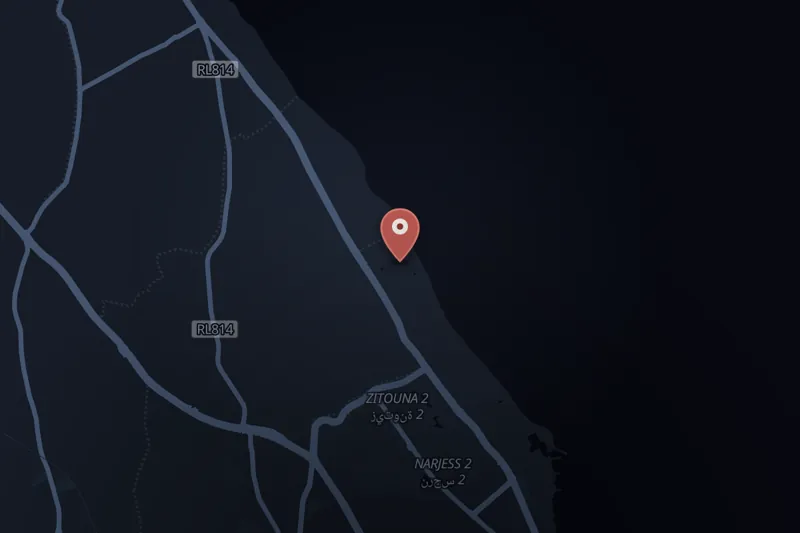
On the night of 15–16 April 1988, commandos landed by sea near Tunis, were driven to al-Wazir's neighborhood by waiting Mossad operatives, and stormed his home. Two bodyguards and the family's gardener were killed, and al-Wazir himself was shot dozens of times inside the house; accounts of the exact circumstances and number of shots vary. The entire raid reportedly lasted about five minutes before the commandos evacuated by sea.

Al-Wazir's assassination triggered immediate riots in the Palestinian territories, during which at least a dozen Palestinians were shot dead — described as the worst violence since the Intifada began. He was buried in the Yarmouk refugee camp in Damascus on 21 April 1988, with Arafat leading the funeral procession. The United States Department of State condemned the killing as an "act of political assassination," and the UN Security Council approved Resolution 611 condemning the action against Tunisia's sovereignty without naming Israel directly. Israel did not officially acknowledge responsibility until 2012, when a previously censored interview conducted by Ronen Bergman with one of the raid's commanders, Nahum Lev, was cleared for publication.

15 dated entries · 1935–2012

Timeline

  1. Khalil Ibrahim al-Wazir born in Ramla, Palestine.

  2. Al-Wazir and his family expelled from Ramla during the 1948 Arab–Israeli War; family settles in Bureij refugee camp, Gaza Strip.

  3. Al-Wazir and Yasser Arafat, among others, found Fatah.

  4. Al-Wazir and Arafat detained by Syrian police following the killing of Palestinian leader Yusuf Orabi.

  5. Al-Wazir supplies besieged Palestinian fighters with arms and aid during the Black September clashes in Jordan.

  6. Al-Wazir helps plan Beirut's defense during Israel's invasion of Lebanon; PLO leadership later exiled from Lebanon.

  7. Al-Wazir deported from Amman to Baghdad, later relocating to Tunis.

  8. First Intifada begins in the West Bank and Gaza Strip.

  9. Mothers' Bus attack occurs, believed to have been organized by al-Wazir; cited as a catalyst for his assassination.

  10. Israeli security cabinet under Prime Minister Yitzhak Shamir meets and approves al-Wazir's assassination by a vote of 6 to 4, according to Ronen Bergman's account.

  11. Six Mossad operatives arrive in Tunis to prepare for the operation.

  12. Israeli naval flotilla halts off the Tunisian coast; commando force lands near Tunis at dusk.

  13. Al-Wazir is killed in a commando raid on his home in Tunis in the early morning hours; two bodyguards and the family's gardener also killed.

  14. Al-Wazir is buried in the Yarmouk refugee camp in Damascus; Arafat leads the funeral procession.

  15. Israel unofficially confirms responsibility for the assassination after a previously censored Ronen Bergman interview with commander Nahum Lev is cleared for publication.

1 named in this file

People

Victims first. Every legal label is set from public records and court outcomes, not from the prose.

  • Khalil al-Wazir

    VICTIM

    Palestinian Fatah co-founder and PLO military commander, killed in a Mossad-led commando raid on his home in Tunis on 16 April 1988.[3]

3 cited

Sources

Coverage is not a source: every fact in this file rests on the records below.

  • 2 Press
  • 1 Encyclopedic
  1. Contemporaneous coverage — The New York Times

    PressThe New York TimesAccessed Jul 7, 2026

  2. Contemporaneous coverage — Associated Press

    PressAssociated PressAccessed Jul 7, 2026

  3. Khalil al-Wazir

    EncyclopedicWikipediaAccessed Jul 7, 2026

Trust

Record history

First published
Jul 7, 2026
Corrections
None

Are you family of someone named in this file? Corrections and removal requests from victims’ families are prioritized.