Casepin
Back to cases

Case file

Botroseya Church bombing

Illustrative

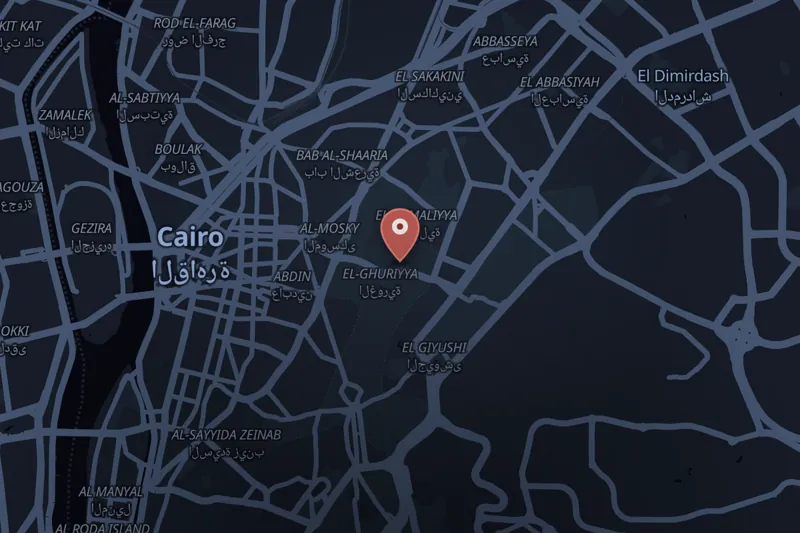
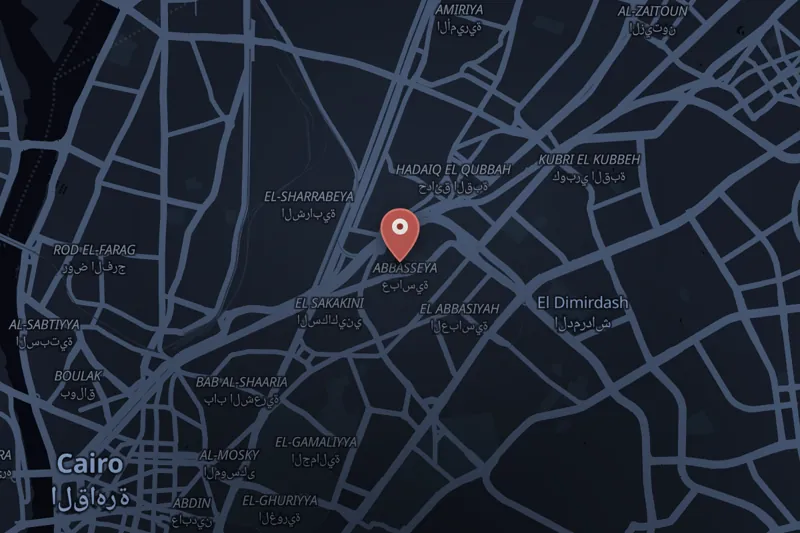
On the morning of 11 December 2016, at around 10:00 am, an explosion tore through a chapel adjacent to Saint Mark's Coptic Orthodox Cathedral in Cairo's Abbassia district, during a period when the church compound was hosting worshippers. The blast killed 29 people and injured 47 others. Egyptian state media initially reported uncertainty over whether the device was detonated by a suicide bomber or remotely triggered, though officials believed any remote device would have needed to be large. The device reportedly contained approximately 12 kilograms (26 lb) of TNT, and an unnamed church source told a Nile TV reporter that the bomb had been thrown inside the cathedral's hall near the entrance.

In the aftermath, security forces cordoned off the area, inspected the compound and its security cameras, and the Ministry of Health dispatched fourteen ambulances. Casualties were transported to Demerdash and Dar al-Shifa hospitals. Authorities placed Cairo International Airport and the city's transport network, including its subway, on heightened alert. Prime Minister Sherif Ismail and Cairo's security chief, General Khaled Abdel-Aal, visited the scene, and the prosecutor general ordered Homeland Security to investigate. Cabinet spokesman Ashraf Sultan characterized the attack as "terrorist" in nature. The Interior Ministry also opened an investigation into the police unit that had been assigned to protect the church complex. By 26 December, Egypt's Army Corps of Engineers reported the church renovation was 80% complete, with hopes of reopening it in time for Coptic Christmas on 7 January.

On 12 December, President Abdel Fattah el-Sisi identified the bomber as 22-year-old Mahmoud Shafiq Mohammed Mustafa, reporting that three men and a woman had been arrested in connection with the attack, with two others still being sought. On 13 December, the Islamic State of Iraq and the Levant (ISIS) claimed responsibility via its Amaq News Agency. An Interior Ministry official stated that Mustafa had previously been arrested in 2014 in Fayoum province on charges connected to the outlawed Muslim Brotherhood; a lawyer who represented him at that time described his arrest, subsequent torture allegations, reduction of charges, and eventual release in 2015 after exceeding pretrial detention limits. The Interior Ministry later stated the attack was organized by a group with alleged links to Ansar Bait al-Maqdis (ISIS–Sinai Province), and claimed Muslim Brotherhood figures in Qatar had provided financing — an allegation denied by both the Brotherhood and the Qatari government. By early 2017, eight suspects had reportedly been arrested in connection with the bombing.

The bombing prompted widespread condemnation from Egyptian officials, religious leaders including Coptic Pope Tawadros II and Pope Francis, and numerous governments and international bodies, including the United Nations Security Council, which condemned the attack as an act of terrorism.

Key facts

Victims
On file
Date
2016
Location
St. Peter and St. Paul's (Botroseya) Church, Abbassia, Cairo, Egypt
Case status
solved

Case timeline

  1. 2014

    Mahmoud Shafiq Mohammed Mustafa, later identified as the bomber, was arrested in Fayoum province on charges related to the outlawed Muslim Brotherhood.

  2. 2015-05

    Prosecution dropped arms possession and banned-organization charges against Mustafa, retaining only a misdemeanor charge of protesting without a permit.

  3. 2015

    Fayoum Criminal Court ordered Mustafa's release after he exceeded the maximum pretrial detention period for misdemeanors.

  4. 2015-12-03

    Mustafa reportedly visited Qatar.

  5. 2016-02-01

    Mustafa reportedly returned to Cairo from Qatar.

  6. 2016-12-11

    A suicide bombing at St. Peter and St. Paul's (Botroseya) Church in Cairo's Abbassia district killed 29 people and injured 47 others.

  7. 2016-12-12

    President Abdel Fattah el-Sisi identified the bomber as Mahmoud Shafiq Mohammed Mustafa and reported arrests of several suspects; el-Sisi and Coptic Pope Tawadros led the funeral procession for victims.

  8. 2016-12-13

    ISIS claimed responsibility for the attack via its Amaq News Agency.

  9. 2016-12-19

    An open letter condemning the bomber by Egyptian academic Azza Radwan Sedky was published in Ahram Online.

  10. 2016-12-26

    Egypt's Army Corps of Engineers reported that 80% of renovations at the church had been completed.

  11. 2017

    By early 2017, eight suspects had been arrested in connection with the bombing.

Best coverage

No approved coverage links are attached yet.

People

  • Mahmoud Shafiq Mohammed Mustafa

    CHARGED

    Identified by Egyptian President Abdel Fattah el-Sisi as the suicide bomber; had been previously arrested in 2014 on Muslim Brotherhood-related charges, which were later reduced to a misdemeanor. No formal post-attack conviction is reported in available sourcing.

  • Mohab Mostafa El-Sayed Kassem

    CHARGED

    Named by the Egyptian Interior Ministry as leader of the group alleged to have organized and carried out the attack, purportedly linked to Ansar Bait al-Maqdis (ISIS-Sinai Province).

  • Tarek Attia

    LAW ENFORCEMENT

    Interior Ministry official (police Maj. Gen.) who stated the suicide bomber had previously been arrested in 2014 in Fayoum province.

  • Abdel Fattah el-Sisi

    LAW ENFORCEMENT

    President of Egypt; publicly identified the bomber, announced arrests, and led the state funeral for victims.

  • Nabil Ahmed Sadeq

    LAW ENFORCEMENT

    Egypt's prosecutor general; ordered the Homeland Security department to investigate the bombing.

  • Khaled Abdel-Aal

    LAW ENFORCEMENT

    Cairo's security chief; visited the bombing scene.

Roles reflect public records and court outcomes at the time of writing — supporting citations are on file under Sources.

Places

Common questions

What happened to the victim?
On 11 December 2016, a suicide bomber killed 29 people and injured 47 others at St. Peter and St. Paul's (Botroseya) Church, adjacent to Cairo's Saint Mark's Coptic Orthodox Cathedral. ISIS claimed responsibility; Egyptian authorities identified the bomber and arrested several suspects.
Where did the bombing happen?
St. Peter and St. Paul's (Botroseya) Church, Abbassia, Cairo, Egypt.
What is the current status of the case?
Status: solved.

Sources

  1. ENCYCLOPEDICBotroseya Church bombingWikipedia · 2026-07-07
  2. PRESSContemporaneous coverage — The New York TimesThe New York Times · 2026-07-07
  3. PRESSContemporaneous coverage — ReutersReuters · 2026-07-07

Record history

First published
JUL 10, 2026